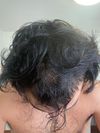
A 17-year-old is experiencing hair loss and is considering using Minoxidil and Finasteride. They are questioning if Minoxidil alone is sufficient or if Finasteride is necessary.
The user is considering using dutasteride or finasteride for hair loss and has recurrent folliculitis. Another user suggests treating the folliculitis and notes diffuse thinning.
A user is combining RU58841 with a topical formula containing finasteride, dutasteride, minoxidil, triamcinolone, caffeine, and other ingredients. They have just started using it and report no side effects so far.
The user reported noticeable hair thickening after 10 days of using oral minoxidil and finasteride, but others suggested it might be an April Fool's joke or a placebo effect. The user also mentioned a high protein intake and regular gym workouts, while others discussed concerns about finasteride's side effects.
The regimen for hair loss includes topical finasteride, clascoterone, tretinoin, minoxidil, oral saw palmetto, beta-sitosterol, vitamin D, microneedling, and anti-fungal shampoo. Expected benefits are increased hair growth and density, with considerations for potential skin irritation and interactions between treatments.
The user has been using oral finasteride and minoxidil for hair loss, with slowed hair loss but little progress. They are considering adding dutasteride due to concerns about crown thinning.
A 17-year-old is concerned that taking finasteride might affect facial bone growth and is considering switching to topical finasteride due to its reduced systemic effects. They are also using oral minoxidil and exploring other hair loss treatments like microneedling and ketoconazole shampoo.
The user started hair loss treatment at 19 with oral finasteride and topical minoxidil, later switching to oral Dutasteride and oral minoxidil. Despite ongoing treatments, including microneedling and topical applications, hair loss, particularly at the hairline, continues to progress.
The user is experiencing unexpected hair thinning and is considering starting finasteride and minoxidil after a dermatologist's brief assessment. They are hesitant and seeking opinions, with some users suggesting finasteride alone might be sufficient for mild hair loss.
A user is considering starting treatments like Finasteride, Minoxidil, and Microneedling for hair thinning, despite stable hair loss for over 8 years. They are unsure if the presence of miniaturized hairs indicates potential for regrowth or if they should accept the current state.
A 28-year-old male has been using finasteride, ketoconazole shampoo, and various vitamins for hair loss and is considering adding minoxidil, either topical or oral, to his regimen. A suggestion was made to use 5% topical minoxidil for better results.
A homemade topical solution of finasteride and minoxidil effectively stopped hair shedding and promoted regrowth without side effects. Users shared experiences and discussed different concentrations and application methods.
The user experienced hair thinning after using finasteride, minoxidil, and vitamin chewables for three months and considered switching to oral minoxidil and dutasteride. The texture change in chewables was noted, but the thinning might be due to other factors like switching to dutasteride or effects from hormone replacement therapy.
The user visited a trichologist due to ineffective topical finasteride treatment for hair loss. The trichologist recommended a new regimen including a two-month course of locoidon (cortisone 0.1%), followed by a solution containing minoxidil, hydrocortisone butirrate, estrone, progesterone, tocopherol acetate, trichosol, and transcutol.
The user has been experiencing worsening hair loss despite using finasteride, minoxidil, and later switching to dutasteride. Despite normal bloodwork and consulting dermatologists, the hair loss continues without improvement.
A 17-year-old is addressing hair loss with finasteride, topical minoxidil, and microneedling. They are considering adding GHK-Cu to their regimen, but others advise caution with finasteride due to age.
The user seeks advice on making hair look healthier, mentioning past use of finasteride after a hair transplant. They request recommendations for nourishing shampoo/conditioner, hair growth vitamins, a good hair oil, and a natural method to cover greys.
The treatment for androgenetic alopecia involves using finasteride and minoxidil with intense exercise and cold exposure to boost metabolism and reduce androgenic effects, potentially leading to hair regrowth. This approach may activate biological pathways for improved hair and overall health.
An 18-year-old male with hair loss is considering starting finasteride but is concerned about potential side effects like gynecomastia due to his prolactin levels. He seeks guidance on whether his bloodwork indicates it's safe to begin treatment.
The user added microneedling to their routine of minoxidil and finasteride, resulting in noticeable hair regrowth after three months. They shared photos showing significant improvement.
The user shared progress pictures showing hair improvement from September to December using topical finasteride0.3% and minoxidil 6%. The treatment appears to be effective for hair loss.
A 29-year-old is using liposomal topical finasteride/minoxidil and low-level light therapy (LLLT) to improve hair growth, showing significant progress in crown recovery. The user prefers liposomal topicals to avoid side effects from oral finasteride and uses the iRestore Essential device for LLLT.
The user experienced hair density loss after increasing finasteride dosage from 3x to 7x a week. It was suggested that this might be a temporary adjustment issue, and adding minoxidil could help.
Significant hair regrowth was achieved using a combination of Finasteride, Minoxidil, Dutasteride, and RU58841. The user switched from Finasteride to Dutasteride and added RU58841 for better results.
A person shared their hair regrowth journey using HIMS topical treatments with finasteride, minoxidil, hormone replacement therapy (HRT), and microneedling. They also discussed their transition as a transgender woman and the positive impact of HRT on hair recovery.
A user shared a 2-year hair regrowth progress using 1mg finasteride daily and topical minoxidil twice daily, with noticeable thickening after 7 months. Other users discussed the commitment required and potential side effects, but the original poster experienced no side effects.
A 22-year-old male experiencing hair thinning has been using topical finasteride and minoxidil since September 2024, with improvement except in the frontal/middle scalp area. He seeks advice on additional treatments and has started scalp massages.
A 23-year-old male has been experiencing hair loss since age 19 and has tried topical minoxidil, oral finasteride, and topical finasteride, but experienced side effects. He is considering oral minoxidil as a last resort and seeks recommendations.
A 38-year-old with type 4c hair has experienced significant hair regrowth using oral finasteride and topical minoxidil for a year. They are concerned about potential shedding from a new hair growth serum and oil product, despite their current treatment.