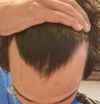
The user tried finasteride and oral minoxidil for hair loss but stopped due to concerns about sideeffects. They also stopped using shampoo, which may have affected their hair loss.
Most users did not visit a dermatologist before starting finasteride, opting to purchase it directly or through a primary care physician. Some users shared experiences of sideeffects and emphasized the potential benefits of medical advice and monitoring.
Doctors in the UK are hesitant to prescribe finasteride for hair loss, leading many to seek it from online pharmacies. Users discuss sideeffects and alternative treatments like minoxidil, with some opting for online purchases due to ease and availability.
A 36-year-old switched from Finasteride to Dutasteride after 6 years due to thinning hair, adding oral Minoxidil for regrowth. Dutasteride improved hair thickness with fewer sideeffects, while Finasteride caused anxiety and back pain.
The conversation discusses switching from finasteride and topical minoxidil to dutasteride and oral minoxidil for better hair loss results. Dutasteride is considered stronger than finasteride, but it may have more sideeffects; some users report varying results and sideeffects with these treatments.
Finasteride and minoxidil stopped hair loss and improved urinary issues for a 34-year-old user. Despite some sexual sideeffects, the user plans to continue finasteride, while considering restarting minoxidil.
The user is using topical Minoxidil 5% and Finasteride 0.1% for hair loss and is concerned about potential sideeffects of oral treatments due to a history of depression and testosterone replacement therapy. Other users suggest that oral Finasteride may be more effective, but results typically take several months to a year to become noticeable.
A 52-year-old is switching from finasteride to dutasteride to address crown balding, despite concerns about potential sideeffects. They have used finasteride for nearly 30 years, had a minor hair transplant, and are considering further treatments if dutasteride doesn't improve their condition.
A long-term finasteride user is considering switching to dutasteride due to hair loss progression. Users share experiences with switching, noting sideeffects and varying effectiveness, with some experiencing shedding and others maintaining their hairline.
The user has been using 1mg of finasteride daily for 5 months, noticing hair regrowth and thickening without significant sideeffects. They have not used minoxidil and plan to continue with finasteride before considering additional treatments.
A 28-year-old experienced hair loss and found success with daily 1mg Finasteride, noticing thicker hair without sideeffects. Despite this, their dermatologist suggested switching to expensive peptide serums, prompting the individual to seek a second opinion on long-term Finasteride and oral Minoxidil use.
The user shared progress pictures showing significant hair regrowth after 6 months of using 1mg finasteride and 2.5mg minoxidil, with no sideeffects reported. They added Nizoral to their routine to address an itchy scalp.
Topical finasteride (P-3074) can inhibit scalp DHT by up to 70%, with some users experiencing systemic absorption similar to oral use. Users discuss varying application frequencies and concentrations, with some noticing sideeffects when overused.
Finasteride can cause sleep disturbances, but these often improve over time. Some users experience sideeffects like reduced libido and brain fog, while others see hair regrowth and manage sideeffects by adjusting dosage or switching to topical treatments.
Switching from finasteride to dutasteride can cause initial shedding, but many see long-term hair regrowth and stabilization. Responses vary, with some experiencing fewer sideeffects and others finding it less effective.
The user is experiencing continued hair thinning despite taking Finasteride 1 mg daily for over a year and is hesitant to try Minoxidil due to potential sideeffects and inconsistency. Suggestions include trying topical Minoxidil once a day, considering oral Minoxidil, and possibly getting a skin biopsy to determine the type of hair loss.
The user is experiencing reduced climax sensation and decreased volume while on Finasteride for hair loss. They are considering whether lifestyle changes or time might improve these sideeffects.
Users discuss making topical finasteride solutions by dissolving crushed tablets in ethanol and propylene glycol, with concerns about residue affecting effectiveness. They also mention using minoxidil and oral finasteride, noting some hair regrowth and no sideeffects from topical use.
Finasteride may cause insomnia, and ashwagandha is suggested to help with sleep issues without significantly affecting testosterone or DHT levels. Users discuss personal experiences with sleep disturbances and suggest consulting a doctor if sideeffects persist.
RU58841 is used for hair loss, with mixed effectiveness and potential sideeffects like heart issues. Some users find it effective, while others see no results; alternatives like finasteride and dutasteride are also mentioned.
The user has been using finasteride and minoxidil for hair loss but is considering switching to dutasteride due to insufficient results, particularly for hairline improvement. Other users shared their experiences with dutasteride, noting potential benefits and sideeffects, and suggested a gradual transition from finasteride to dutasteride.
The user is experiencing progress in hair growth using 0.5mg Finasteride, 5mg Minoxidil, and 1mg Biotin daily but is also developing gynecomastia. They plan to continue the treatment for six months unless the sideeffects worsen.
Take 1mg finasteride daily as the standard approach; adjust only if sideeffects occur. Many users experiment unnecessarily with doses and methods, complicating treatment.
The user experienced positive hair growth results after a year of using finasteride, initially taking 1mg daily but switching to a Monday, Wednesday, Friday schedule due to sideeffects like erectile dysfunction and watery semen. The sideeffects improved after switching to the reduced schedule, with normal erections returning within a month.
The user experienced hair improvement after six months of using 1mg oral finasteride, with some sideeffects like reduced libido and initial mood changes. They are considering adding oral minoxidil for further regrowth.
Finasteride and minoxidil significantly improved a user's hair loss, starting at age 17, leading to a full head of hair by age 19 without sideeffects. The user prefers oral minoxidil over topical due to better results and less hassle.
A 27-year-old male started using finasteride in February 2023 for hair loss, experiencing significant progress with no sideeffects. He is considering adding oral minoxidil or getting a hair transplant, but is concerned about the cost in the Netherlands.
Young individuals experiencing hair loss are discussing their experiences with treatments like minoxidil and finasteride. Some report positive results with finasteride, despite sideeffects, while others share tips for managing minoxidil-related dandruff.
A 29-year-old male on 1 mg Finasteride for 3 months has experienced a significant increase in testosterone and estradiol levels, with no major sideeffects except slightly oilier skin and increased emotional sensitivity. The user is concerned about these hormonal changes and seeks advice, as their general practitioner is not knowledgeable about the issue.
Switching from finasteride to dutasteride, with additional treatments like minoxidil and tretinoin, has not improved hair loss and may have worsened it. Users report better results with finasteride, citing fewer sideeffects and lower cost.