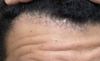
Using topicalfinasteride 0.1%, minoxidil 5%, and melatonin for 7 months reduced hair loss significantly, with increased libido and decreased stress tolerance. The user applies the solution once daily, uses nizoral twice weekly, and takes vitamin D and ZMA supplements.
A user discusses mild/moderate hair loss and considers switching from oral to topicalfinasteride due to past endocrine issues. They seek feedback on topicalfinasteride's effectiveness and reputable sources, with replies suggesting Minoxidilmax products as effective alternatives.
Creating a topical solution combining finasteride and stemoxydine to treat hair loss, and the discussion of whether 15mg of finasteride would be sufficient for 60ml solvent.
A user is trying a DIY method of mixing crushed finasteride tablets with minoxidil for hair loss treatment, seeking feedback on its effectiveness. Some users express skepticism about the absorption of finasteride through the skin, while others mention anecdotal success.
The conversation discusses making homemade topical solutions of dutasteride or finasteride using tablets, with suggestions to use alternatives like MinoxidilMax or stemoxydine due to difficulties in formulation. Some users recommend sticking to oral pills for effectiveness and ease.
The user experienced gradual hair thinning since 2021 and tried various treatments including topical minoxidil, rosemary oil, oral finasteride, oral minoxidil, RU58841, and oral dutasteride. They are considering switching to daily finasteride and adding topical dutasteride, tretinoin, and microneedling due to side effects from oral dutasteride.
Hair loss discussion includes using stemoxydine mixed with finasteride tablets as a topical treatment. One user reports positive results with healthy hair and new growth in hairline.
Topical dutasteride is considered more effective for hair regrowth with fewer side effects than oral finasteride. Users have mixed experiences, with some preferring topical applications for reduced side effects.
A 23-year-old male with slight hair thinning is using ketoconazole shampoo, biotin, zinc, magnesium, D3/K2, and has just started topicalfinasteride (0.0125%). He plans to add minoxidil (4.5%) with 17α-estradiol and is seeking advice on the effectiveness and side effects of these treatments, as well as the use of a dermaroller.
The user is using a regimen of topicalfinasteride (.025% concentration), minoxidil, Nutrafol, and vitamin D to address hair loss. They experienced initial side effects but reported improvement over 11 weeks and are considering increasing the dosage.
Topicalfinasteride and minoxidil are not effective for the user, who is considering switching to oral treatments like finasteride or dutasteride. Many suggest oral medications are more effective, and some recommend additional treatments like microneedling and other topical solutions.
High dose topicalFinasteride solutions are speculative and not proven more effective than low dose solutions. Users report varying results with different concentrations, with some preferring lower doses to minimize side effects.
Topicalfinasteride is considered a safer option for hair regrowth with fewer systemic side effects compared to oral finasteride. Some users report similar efficacy and side effects between topical and oral treatments, while others prefer topical due to reduced systemic exposure.
The post expresses frustration over the unavailability of pure topicalfinasteride in India despite the developed pharma industry. The user seeks advice on making it at home and its effectiveness.
The user switched from oral finasteride to dutasteride with minoxidil, but saw no results. They then tried topicalfinasteride and noticed some potential improvement after four months, theorizing that the topical application bypasses liver metabolism.
A user experiencing side effects from a 5% minoxidil and 0.1% finasteridetopical solution for hair loss reduced their dosage due to numbness and pain in the lower body and is seeking advice on dosage and alternatives like redensyl. They are concerned about the side effects of both medications and are considering adjusting the dose or switching treatments.
A 21-year-old experienced hormone changes after using self-made topicalfinasteride for hair loss, including a 20% decrease in DHT, a 47% increase in testosterone, and a 39% increase in estradiol. The user previously used minoxidil and microneedling but is now seeking ways to balance hormones, possibly through supplements or dosage adjustments.
TopicalFinasteride doesn't directly reduce 5ar enzyme on scalp and has the same mechanism as oral, needing to go through the liver. Users debate the accuracy of this information and discuss various studies and experiences.
Comparing the effectiveness and side effects of topicalfinasteride versus oral finasteride, with people sharing their experiences using both treatments to manage hair loss.
A user is considering using a 0.025% topicalfinasteride solution with DMSO to enhance absorption but is unsure about its effectiveness and safety. Other users express concerns about DMSO's properties and potential effects on the scalp.
User on finasteride and redensyl serum sees progress, considers switching to minoxidil and topicalfinasteride mix. Another user claims topical mix is more effective than oral finasteride and has no side effects.
The user experienced increased hair loss with topicalfinasteride and is considering switching to oral finasteride. Others shared mixed experiences, with some suggesting oral finasteride is more effective, while others noted individual results vary.
Topicalfinasteride can be effective for some, especially if oral finasteride causes side effects, but results may vary and can be slower. Combining topicalfinasteride with minoxidil is common, though some users switch to oral treatments for better results.
Topicalfinasteride concentrations are likely much higher than necessary for effective follicular DHT suppression, with current standards being 100-1000 times above the theoretical minimum. Lower concentrations (0.001-0.0025%) might still work locally while minimizing systemic exposure.
The user experienced thicker hair and less hair loss after using topicalfinasteride (0.5%) and minoxidil (5%) foam for four months, with minimal side effects compared to oral finasteride. They also use a derma needler and injectable testosterone, noting no increased hair loss despite higher testosterone levels.
The conversation is about creating a topicalfinasteride solution without minoxidil, using an alcohol-based base like ethanol. The discussion includes using finasteride in powder form and mentions adding ingredients like glycerol, salicylic acid, or castor oil.
Topicalfinasteride may help maintain and potentially regrow a receding hairline, but results vary. Combining it with minoxidil and microneedling could enhance effectiveness, with noticeable changes taking several months.
Topicalfinasteride (P-3074) can inhibit scalp DHT by up to 70%, with some users experiencing systemic absorption similar to oral use. Users discuss varying application frequencies and concentrations, with some noticing side effects when overused.
Users discuss making topicalfinasteride solutions by dissolving crushed tablets in ethanol and propylene glycol, with concerns about residue affecting effectiveness. They also mention using minoxidil and oral finasteride, noting some hair regrowth and no side effects from topical use.