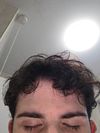
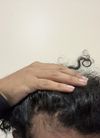
The user is concerned about hair loss and considering using finasteride and minoxidil after a doctor suggested a steroid for a dry scalp. They are worried the steroid won't prevent further hair loss.
A 29-year-old male is experiencing positive hair regrowth after 3 months using oral finasteride (1mg) and topical minoxidil (1ml twice daily), despite side effects like scalp itchiness and dandruff. He plans to continue the treatment long-term and may switch to foam minoxidil to alleviate scalp issues.
A 24-year-old male is experiencing a receding hairline and is advised to use topical minoxidil for hair regrowth, while being cautious about finasteride due to potential side effects. Adding ketoconazole shampoo is suggested for scalp health, and consistent use of minoxidil is recommended for noticeable results in 3-6 months.
The conversation discusses switching from oral finasteride to topical RU58841 for hair loss, with concerns about hormonal effects and libido. Some users suggest alternatives like dutasteride, while others share mixed experiences with RU58841's effectiveness.
The conversation is a humorous take on someone's reaction after their first dose of finasteride for hair loss. Specific treatments mentioned include scalp massage and a protocol of manifestation twice daily.
The user applied topical finasteride 0.3% and minoxidil 6% once daily, used keto shampoo weekly, and derma stamped weekly or biweekly. They noticed hair improvement, possibly due to regrowth or letting it grow longer.
An 18-year-old experiencing aggressive hair loss is considering whether to obtain a finasteride prescription through an online consult to save money instead of visiting a dermatologist. The user is seeking advice on the cost-effectiveness of these options.
The conversation discusses making topical finasteride at home, questioning the necessity of removing the pill's coating before use. Users suggest that the coating isn't harmful, and finasteride dissolves in ethanol, with some recommending filtering out the coating and fillers.
Clascoterone 5% solution (Breezula) is a promising alternative for androgenetic alopecia, showing continued hair growth with consistent use and no significant side effects. It may be suitable for those who cannot tolerate finasteride or dutasteride, especially when trying to conceive.
A 23-year-old male used 1mg finasteride and topical minoxidil for 90 days, experiencing hair growth and side effects like watery semen and lethargy. He advises continuing medication for hair growth and adopting healthy habits.
The conversation discusses switching from oral to topical finasteride for hair loss, with concerns about application methods and side effects like dizziness and low energy. Users suggest mixing finasteride with minoxidil for better scalp coverage and dosage control.
A 41-year-old man experienced significant hair regrowth using topical finasteride (0.025%), minoxidil, microneedling every two weeks, and occasional Nizoral 2% shampoo. He advises against using creatine due to personal experience with increased hair shedding.
A user shared their experience using RU58841, Minoxidil, and Finasteride for hair loss, noting good results but increased acne from RU58841. They plan to replace RU58841 with Finasteride while continuing Minoxidil.
The conversation discusses the long-term results of using finasteride, RU58841, and minoxidil for hair loss, with some skepticism about the truthfulness of the results and a reference to a scam involving RU58841.
CB-03-01 is a topical anti-androgen with low absorption, offering potential as a side-effect-free alternative to Finasteride/Dutasteride for hair loss. It's in stage 2 clinical trials for acne and showing promise for male pattern baldness.
A user has been using a topical hair loss treatment with finasteride, minoxidil, and tretinoin for 4 years without satisfactory results and is considering switching to a different product due to concerns about effectiveness and company reliability. They are seeking others' experiences with Strut and alternative products before making a change.
Finasteride improved the user's hair texture and growth, with some initial side effects like libido loss that eventually subsided. The user advises considering lifestyle factors alongside treatment and encourages others to start finasteride if hesitant.
The conversation provides a guide on using finasteride for hair loss, suggesting to start with a quarter of a 1mg pill daily after ensuring estradiol levels are within a specific range, and potentially increasing the dose if no side effects occur. It also recommends supplements like DIM, Calcium d-glucarate, and Zinc to manage high estradiol levels and side effects from finasteride.
The user started using finasteride daily and ketoconazole occasionally, noticing reduced hair fall but no regrowth. Others shared mixed experiences with finasteride, some considering switching to dutasteride or adding minoxidil.
The conversation discusses hair loss treatments, specifically mentioning pyrilutamide, minoxidil, and finasteride. The consensus suggests starting treatment early, with finasteride being a preferred option.
A doctor recommended Follivera as a minoxidil alternative, but users are skeptical, suggesting minoxidil, finasteride, or dutasteride for hair loss. Some users mention adenosine and piroctone olamine as potentially helpful ingredients.
The user has been using finasteride for over a year, which improved their hairline but not the crown area. They are considering alternatives like hair fibers, derma stamping, or possibly minoxidil, while avoiding topicals due to their work environment.
The conversation discusses using a low dose of topical finasteride to achieve hair benefits with minimal systemic exposure. Users share experiences and opinions on dosing, systemic buildup, and side effects of both topical and oral finasteride.
The user is experiencing scalp irritation from a compounded treatment of finasteride, minoxidil, and tretinoin. They are considering switching to a non-alcohol, propylene glycol-free formula with a lower tretinoin percentage to reduce irritation.
The user started using topical finasteride 0.025% and minoxidil 5% twice daily, seeing initial improvement but later experiencing shedding and scalp pain. They are considering increasing the finasteride dose to 0.05% while using keto shampoo and dermarolling, and are debating the effectiveness of low versus standard doses of finasteride.
A 35-year-old reported significant hair regrowth after six months of using daily oral finasteride (1mg), oral minoxidil (1.25mg), and topical minoxidil, with no major side effects except increased hair growth in unwanted areas. Noticeable improvements were seen around four months after starting finasteride.
The user has been using RU58841, topical Minoxidil, Ketoconazole shampoo, and a Dermastamp for 8 months, and Finasteride for 7 months to treat hair loss. They apply RU58841 daily, use Minoxidil and Dermastamp regularly, take Finasteride daily, and have not experienced side effects.
The conversation is about using a topical solution of latanoprost and minoxidil for hair loss, with concerns about side effects due to a history of gynecomastia. The user is considering this treatment instead of finasteride and is seeking experiences from others.
A 23-year-old male experienced significant hair thinning and started using finasteride, minoxidil, biotin vitamins, and DHT blocking shampoo. He saw reduced hair loss, thicker hair, and minimal side effects, encouraging others to try similar treatments.
A user considered restarting finasteride for hair loss despite past side effects, which worried their girlfriend. Others suggested alternatives like topical treatments or lower doses and emphasized prioritizing well-being and relationship stability.