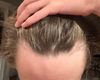
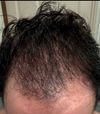
Filtered shower heads may improve scalp and hair health but do not affect male pattern baldness (MPB). Genetics and factors like DHT and scalp tension are more significant in hair loss.
Hair shedding is common when using minoxidil and finasteride, often indicating that the treatment is working as weaker hairs fall out to make way for stronger growth. Many users experience multiple shedding cycles before seeing significant hair regrowth.
The user experienced significant hair regrowth using oral finasteride and topical minoxidil, but switching between oral and topical minoxidil led to hair loss and uncertainty about future treatment. They are considering sticking with oral minoxidil and finasteride, possibly adding dutasteride or opting for a hair transplant.
The user experienced significant hair improvement after 15 months of treatment, using finasteride initially, then switching to dutasteride, and recently adding topical minoxidil. They credit their progress to dutasteride and support from Haircafe, a YouTuber.
Hair fibers can effectively cover thinning hair when used with minoxidil and hairspray but require daily application and can be inconvenient in certain conditions. Some users prefer treatments like finasteride, dutasteride, microneedling, or wigs due to the maintenance and limitations of hair fibers.
The user experienced worsening hair loss despite using finasteride and topical minoxidil, and is considering switching to dutasteride and oral minoxidil. They also tried microneedling and tretinoin with minoxidil, and are exploring Sulfogenz topical minoxidil.
The conversation discusses hair loss treatment options, focusing on finasteride and its potential effects on gynecomastia. The user is considering finasteride while managing hormone levels with supplements like boron, vitamin D, zinc, magnesium, and P5P, and is advised to consult an endocrinologist for further evaluation.
The user shared their hair loss journey, using finasteride, dutasteride, and minoxidil, noting progress and some side effects like minor gynecomastia. They plan to switch fully to dutasteride while continuing minoxidil, and they experienced shedding primarily from finasteride.
Finasteride and dutasteride can cause psychiatric side effects like depression and suicidal thoughts in some users, especially those with a history of mental health issues. While some users experience positive hair growth results, others face severe psychological effects, raising concerns about their safety and the need for careful monitoring.
A 35-year-old shared progress in hair regrowth using finasteride 1mg and minoxidil foam, noting reduced hair fall and no side effects. They use Kirkland minoxidil from Costco nightly and finasteride from a dermatologist, with additional use of rosemary water for a cooling sensation.
The user documented their hair treatment journey from 2018 to 2025, primarily using dutasteride after initially trying topical minoxidil in 2023. They saw noticeable regrowth in the temple area after two months and experienced some shedding after stopping minoxidil.
DHT affects hair follicles, contributing to hair loss, but the exact mechanism is unclear. Treatments like finasteride and minoxidil are used to manage hair loss, though they may have side effects and varying effectiveness.
Hair loss is likely due to male pattern baldness, not vitamin D deficiency. Taking 60k vitamin D tablets weekly is not recommended; 2k per day is sufficient.
Microneedling is unlikely to damage existing hair if done with a device using a smaller needle count, like a 9-needle cartridge, and a stamping motion. Hair follicles are deeper than the typical needle penetration depth.
Hair loss due to vitamin B12 deficiency is discussed, with some users suggesting supplements and dietary changes, while others recommend medications like finasteride or dutasteride. The conversation highlights differing opinions on the cause of hair loss, with some attributing it to genetics or male pattern baldness.
A 17-year-old is frustrated with hair thinning and receding temples, seeking advice after a dermatologist dismissed concerns. Suggestions include starting Minoxidil for regrowth and considering Finasteride if androgenetic alopecia is suspected.
Finasteride helped stop hair loss progression and slightly thickened hair, but reduced beard and chest hair growth. The user also uses ketoconazole shampoo for scalp itchiness.
A 17-year-old is experiencing hair shedding and is concerned about a receding hairline, using hair products like powder and sea salt spray. Advice given includes maintaining good nutrition, ensuring hair products don't build up, and considering further resources if worried.
The user is experiencing hair loss likely due to anemia and nutrient deficiency, and is considering using Minoxidil or non-drug treatments like coffee rinses while improving their diet and taking supplements. They are unsure if Minoxidil will be effective for this type of hair loss and are concerned about potential side effects.
A user is concerned about hair thinning and is using minoxidil, considering finasteride, and planning blood tests to rule out deficiencies. They are advised to consult a dermatologist to confirm if androgenic alopecia is the cause before starting finasteride.
Finasteride typically helps maintain the existing hairline and taking 0.5mg MWF is considered effective. Hair transplants remain an option if further treatment is needed.
Finasteride is recommended for hair loss starting at age 17, with some users suggesting starting even earlier. Minoxidil is also suggested as an option, while lifestyle changes like diet and exercise are noted as beneficial for health but not effective for slowing genetic hair loss.
A 23-year-old shares their hair and eyebrow regrowth journey, attributing success to a routine involving Minoxidil, Dutasteride, vitamins, biotin, and fish oil, alongside improved lifestyle habits. They report no side effects from Dutasteride and minor itchiness from Minoxidil, noting significant improvements in appearance and satisfaction with the results.
Catalase is discussed as a potential treatment for delaying or reversing grey hair, but no reliable medicine currently exists. Other mentioned treatments include Imatinib, senolytics like Quercetin and Fisetin, He Shou Wu, Argan oil, and reishi mushroom extract, though their effectiveness varies.
Increased hair loss after starting a 10g daily creatine regimen, possibly linked to elevated DHT levels despite dutasteride use. Stopping creatine reduced shedding, but the exact cause is uncertain, with discussions on exercise and lifestyle impacts.
The user had a hair transplant at Vera Clinic Istanbul and is using 1mg Finasteride six times a week, 0.5mg Dutasteride once a week, and topical Minoxidil daily. They wash out the Minoxidil each morning and are happy with the results, noting the importance of medication to prevent further hair loss.
Minoxidil foam and oral finasteride resulted in significant hair regrowth, especially on the hairline, with no side effects from finasteride. The user applied Rogaine 5% for minoxidil.
The user switched from finasteride to dutasteride eight months ago due to worsening hair loss but continues to experience hair thinning and seeks advice on additional treatments. They are asking for suggestions on medications, topical therapies, lifestyle changes, or professional treatments.