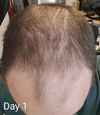
Finasteride may take over two years to show results and can cause side effects like sexual dysfunction and emotional changes. Alternatives such as dutasteride and minoxidil are discussed, with varying effectiveness and side effects.
Oral biotin combined with topical minoxidil may increase hair growth rate, though the study was limited to healthy subjects and did not measure hair density. Some users report personal benefits from biotin, such as faster nail growth and healthier hair, but concerns about acne and study quality were also mentioned.
A user's hair loss journey and their results from 9 months of the treatments finasteride and minoxidil, as well as biotin supplementation. People discussed side effects, taking progress pictures, and providing support to other users on their own journeys.
Hair loss treatment with Minoxidil 2x/day, Nizoral 1-3x/week, healthy diet, and regular exercise showed great results in 2 months. No finasteride was mentioned.
Black individuals may embrace baldness better due to less contrast between hair and skin. Finasteride is suggested for hair loss management, and natural styles like buzz cuts are recommended.
A 33-year-old experienced significant hair loss after a depressive episode and taking paroxetine, possibly due to telogen effluvium or androgenic alopecia. Suggestions included reducing alcohol, considering finasteride and minoxidil, and consulting a doctor about antidepressant side effects.
Athletes often use finasteride to maintain hair transplants, but some avoid it due to potential hormonal effects. Notable examples include Mo Salah and Conor McGregor, while LeBron James has had multiple procedures with varying success.
A user claimed significant hair regrowth over 18 months using minoxidil, finasteride, ketoconazole shampoo, dermastamping, and supplements without a transplant. Commenters were skeptical, suspecting a hair system might be involved.
The user uses Toppik hair fibers to thicken their hairline and has switched from finasteride to dutasteride and oral minoxidil, noticing more hair thickening. Most responses indicate the hair fibers are not noticeable, and many suggest the user doesn't need them as their hair looks natural and good for their age.
Biotin supplements are not effective for hair loss unless you are actually deficient, which is rare. Some users report improved hair quality with biotin, but there's no evidence supporting its use for hair loss in healthy individuals.
Microneedling with minoxidil and finasteride greatly improves hair regrowth. Using 0.5mm depth every other day boosts minoxidil absorption without side effects.
A user is experiencing rapid hair loss and has been diagnosed with telogen effluvium by multiple dermatologists, but doubts the diagnosis due to the severity and speed of the hair loss. They are considering various treatments like spironolactone, estradiol, and possibly finasteride, while also exploring the possibility of hormonal imbalances or autoimmune issues.
The conversation discusses the perception of increased hair loss among young men, with some attributing it to heightened awareness or environmental factors. Various treatments are mentioned, including Minoxidil, Finasteride, microneedling, scalp massages, and future hair transplant methods.
A user shared their 11-year experience with spironolactone and nearly 5 years with finasteride for hair loss, recently adding oral minoxidil and stopping birth control. Various treatments were discussed, including organic options, checking for underlying health issues, considering dutasteride, and the potential role of progesterone in hair loss.
Hair loss treatments discussed include dermarolling, minoxidil, finasteride, and RU58841. Some users find dermarolling sad, while others mention the complexity of biological systems and limited research funding for hair loss.
Effective treatments for hair loss, including Dutasteride, Finasteride, Minoxidil, Dermarolling, LLLT, PRP, Ketoconazole, and Scalp Massage. In addition, anti-inflammatory diets and stress management are recommended to maintain or regrow hair.
Scalp massages and natural methods alone are ineffective for treating hair loss. Effective treatments include using minoxidil and finasteride, with scalp massages as a supplementary aid.
The conversation is about using Tretinoin with Minoxidil for hair loss treatment, discussing the effectiveness and personal experiences with different concentrations. The image linked in the post received negative reactions for being unpleasant.
Poor sleep quality may affect hair growth cycles by disrupting the body's natural clock and stress hormones. The focus should be on improving sleep to support overall health, including hair growth, rather than relying solely on treatments like Minoxidil, finasteride, or RU58841.
The conversation discusses unconventional methods of taking finasteride, with suggestions ranging from crushing it into coffee to using pill boxes or reminders. Users also humorously suggest alternative methods like mixing with food or drinks, but generally advise against altering the pill's form.
Biotin may strengthen existing hair and reduce hair loss, but it doesn't promote new hair growth. Some users report stronger, darker hair, while others see no benefits or experience acne.
The user is experiencing hair regrowth after using spironolactone, minoxidil 5%, and various supplements. They plan to purchase men's minoxidil for cost efficiency and use Nizoral shampoo and an oil blend for hair care.
Microneedling combined with 5% Minoxidil and finasteride significantly improves hair growth compared to using Minoxidil or Minoxidil with finasteride alone. The combination treatment is safe and effective, but further research is needed due to small sample size and short study duration.
The user reported positive results after one month of using oral Minoxidil and Finasteride, along with Nioxin shampoo and liquid collagen. Some users expressed skepticism about the results, attributing them to lighting differences, while others discussed potential side effects and benefits of these treatments.
A user in their 30s with male pattern baldness reported significant hair regrowth after starting a daily pill containing 2.5mg Minoxidil and 1mg Finasteride. They were initially skeptical but experienced no side effects and were pleasantly surprised by the results.
Improving diet and taking supplements like Biotin, B12, D3, iron, zinc, and protein can enhance the effectiveness of hair treatments. However, responses to treatments like Minoxidil and finasteride vary, and some users report no improvement despite a good diet.
The user saw hair improvement with minoxidil, finasteride, and a red light cap, noting better results after adding finasteride and stressing routine consistency.
A user nearing 9 months of hair loss treatment reports using Minoxidil 5% liquid twice daily, Finasteride 1mg daily, and microneedling with a 1.5mm roller weekly. They also take Vitamin D, B7, Zinc, and considered but did not use Dutasteride or Ketoconazole shampoo.
The conversation discusses a successful hair regrowth treatment involving topical Minoxidil (5%), 1 mg Finasteride, Microneedling, and Biotin + Vitamin D supplements. The user shares their routine and receives positive feedback on the significant progress made in just three months.
A user describing their hair loss progress after 9 months of using minoxidil, finasteride, dermarolling, and a ketogenic diet. Other users congratulated them and noted the improvements in their appearance.