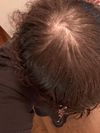
User used sublingual minoxidil for 5 months and saw progress. Also used topical dutasteride, alfatradiol, tretinoin, and reduced oral finasteride dose.
A user reported increased shedding and some side effects like ball ache and potential watery semen after taking 0.25mg of finasteride daily for two months, but noted a high sex drive and considered the shedding a possible sign of new hair growth. Other users discussed dosage differences, with some suggesting starting with a smaller dose and monitoring effects, while others shared their experiences with no shedding or hair growth yet.
The user switched from finasteride to dutasteride and is using a low dose of oral minoxidil but continues to experience hair loss. Others suggest the hair looks the same and recommend trying a higher dose of minoxidil or adding microneedling.
Dutasteride and high-dose Minoxidil are the primary treatments maintaining hair, with additional supplements and therapies like red light offering minimal extra benefit. The discussion criticizes promoting expensive hair care products when basic medications are doing most of the work.
A 31-year-old male considering returning to finasteride at a lower dose or using topical finasteride to assess his Norwood scale for a potential future hair transplant. He previously stopped finasteride due to side effects and has been shaving his head.
An 18-year-old is using a high-dose treatment for hair loss, including 2.5 mg dutasteride, topical minoxidil, and injectable GHK-Cu, despite minimal hair loss. Many users suggest reducing the dutasteride dose due to potential side effects and recommend starting with finasteride instead.
The user switched from Pyrilutamide to RU58841, changed their Minoxidil solution, and continued using low-dose Finasteride, derma rolling, and specific shampoo. They asked others about their plans after Pyrilutamide's disappointing results.
A user with low testosterone and mild gyno is considering finasteride for hair loss. Others suggest consulting an endocrinologist first and share experiences of finasteride not worsening gyno.
A user experienced testicular pain after taking finasteride for hair loss and considered lowering the dose to 0.25mg to manage side effects. They also considered adding minoxidil to their routine while seeking advice on whether to continue or stop finasteride.
A user is experiencing side effects from topical finasteride and is considering using a low dose of anastrozole to manage potential gynecomastia while continuing finasteride for hair loss. They are unsure whether to start the aromatase inhibitor immediately or wait to see if their body adjusts.
The user experienced significant hair regrowth using topical finasteride and minoxidil but faced a prolonged shedding phase, leading them to increase the finasteride dose and add oral dutasteride. Despite concerns about shedding, they remain hopeful for regrowth and are supplementing with Vitamin D.
A user is seeking hair loss treatments without using systemic DHT blockers like finasteride due to side effects. Suggestions include clascoterone (not FDA approved), pyrilutamide, RU58841, and low-dose topical finasteride, with a recommendation to consult a doctor.
The user experienced initial success with topical finasteride 0.025% and melatonin but noticed rapid hair thinning after three months. They are considering switching to a higher dose of topical finasteride or oral finasteride, as advised by others, while being cautious about potential side effects.
Dutasteride and oral minoxidil are commonly used in Spain for hair loss, with a typical dose of 0.5 mg dutasteride and 2.5-5 mg oral minoxidil. Some users report side effects like erectile dysfunction when using finasteride and minoxidil.
Switching from finasteride and minoxidil to a higher dose of dutasteride for hair loss is debated due to potential side effects. Many suggest starting with lower doses or sticking to finasteride if effective.
The conversation is about a user experiencing hair shedding after switching from finasteride to dutasteride and increasing their oral minoxidil dose. The user is advised to continue with the current treatment, consider adding topical minoxidil, and consult a dermatologist for potential underlying issues.
A 24-year-old man is experiencing hair shedding after starting Minoxidil and Creatine, and is concerned about accelerated hair loss. A user suggests that Creatine does not increase DHT levels and recommends considering oral Dutasteride, low-dose oral Minoxidil, and Ciclopirox Shampoo, advising consultation with a doctor.
Finasteride effectively regrew hair and improved quality after increasing the dose from 0.5mg to 1mg, with no side effects. The user is cautious about adding minoxidil, fearing it might disrupt progress.
Mooseman1944 noticed hair regrowth and less shedding during the first 6 months of taking finasteride, but is now experiencing increased shedding and thinning hair. They are considering switching to dutasteride or adding minoxidil if there's no improvement by next August.
The user is considering adding topical dutasteride and increasing their oral minoxidil dose to 5mg, and is currently using oral finasteride, oral and topical minoxidil, derma stamping, tretinoin, and nizoral as part of their hair loss treatment regimen.
The conversation discusses using a low dose of topical finasteride to achieve hair benefits with minimal systemic exposure. Users share experiences and opinions on dosing, systemic buildup, and side effects of both topical and oral finasteride.
This user has had positive results from taking a 1 mg dose of finasteride and increasing their daily dosage of minoxidil from 2.5 to 5 mg over the course of 9 months.
The user has been on finasteride for 18 months and added dutasteride after the first 6 months, with no hair regrowth observed. Bloodwork shows normal levels of DHT despite the use of both medications.
The user is using finasteride, HGH, GHK-CU, BPC-157, KPV, biotin/collagen/keratin vitamins, ketoconazole shampoo, and low-dose naltrexone to address hair loss, avoiding minoxidil due to past shedding experiences. Adenosine is discussed as a potential alternative to minoxidil, though it is noted to be expensive and hard to find.
The user has been using 1.25 mg of oral minoxidil and finasteride since September 2025 to address diffuse hair thinning, and is considering trying a new shampoo. Other users suggest increasing the minoxidil dose and trying dutasteride.
A user experienced no visible improvement in hair loss after 10 months on 0.5mg finasteride and increased the dose to 1mg, noticing a possible shedding phase. They also use topical minoxidil, ketoconazole shampoo, and dermastamping, and are seeking others' experiences with similar treatments.
The user experienced anxiety, dizziness, and fatigue after starting finasteride and is seeking advice on whether to continue, adjust the dose, or consult a doctor. They stopped taking finasteride and are unsure if it caused their symptoms.
The user experienced chest soreness and mild gynecomastia after taking 1mg finasteride three times a week, which resolved after stopping the medication. They are considering trying a lower dose or topical finasteride to avoid side effects.
The user is experiencing a burning sensation on their scalp despite using finasteride and nizoral for hair loss, and is unsure if they should switch to dutasteride. They have reduced their testosterone dose but the burning persists, and a trichologist suggested it might be telogen effluvium.
The user experienced erectile dysfunction from oral finasteride and is considering alternatives like topical high-dose finasteride, RU58841, topical Latanoprost, and oral Minoxidil. Blood tests showed changes in testosterone and DHT levels, and the endocrinologist advised stopping finasteride.