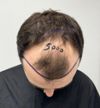
User experienced dizziness on 1.25 mg of finasteride, reduced to 0.75 mg and felt better. They also use zinc, B complex, green tea extract, derma roll with caster oil, and nizol shampoo.
A user's experience with dealing with hair loss, and the advice that was shared by other users to cope with it. Suggested treatments included shaving their head, using medications such as finasteride, minoxidil, and dutasteride, as well as dermarolling.
A user reports persistent sexual side effects three months after stopping finasteride, despite a healthy lifestyle and supplements. They express concern over the lack of libido and infrequent erections.
The user experienced significant hair regrowth using oral and topical minoxidil, dutasteride, and microneedling, with natural hair returning despite previous baldness and transplants. The treatment appears effective, as hair has darkened and increased in length.
A user started taking 0.5 mg of finasteride daily and noticed watery semen, questioning if it's normal or if they should adjust the dosage. Another user suggested it might indicate reduced fertility and may not improve.
The conversation discusses hair shedding while using Minoxidil and dutasteride, noting that shedding can occur even months into treatment as part of the hair cycle. Despite shedding, previous regrowth suggests the treatment is effective.
A user shared their 1-year hair loss treatment update, switching from finasteride to dutasteride due to side effects, and combining it with oral minoxidil. They reported significant hair regrowth, especially at the right temple, with no sexual side effects from dutasteride.
A user shared their positive experience with oral finasteride (1.2mg daily) and minoxidil (3mg daily) for hair regrowth, noting no side effects and significant improvement in hair density. Other users discussed their experiences with these treatments, including side effects and different application methods, with some expressing skepticism about side effects and others sharing their own challenges.
The user experienced increased hair loss with topical finasteride and is considering switching to oral finasteride. Others shared mixed experiences, with some suggesting oral finasteride is more effective, while others noted individual results vary.
The user experienced significant hair regrowth using finasteride alone over 6-7 months, despite initial side effects like reduced sexual desire and acne. They are considering reducing the dosage to manage side effects and have also used ketoconazole shampoo weekly.
The user experienced hair loss after stopping finasteride and is seeking advice on regaining progress. Suggestions include continuing the current regimen, considering oral minoxidil, adding dutasteride, and using microneedling for better results.
The user shared progress pictures after 2.5 years of using oral minoxidil (5mg daily) and finasteride (1mg daily) for hair loss, noting significant improvements over time. They experienced normal shedding and some beard growth, with no negative side effects reported.
A 25-year-old is considering treatments for hair regrowth, including ketoconazole shampoo, 5% Minoxidil, Minoxidil with Tretinoin, and possibly ordering RU58841. They are hesitant about using Dutasteride or Finasteride due to perceived risks but are motivated to regrow hair to improve appearance due to visible veins from low body fat.
The user showed 2-3 years of hair regrowth progress using oral finasteride, topical minoxidil, and microneedling. They plan to switch to oral dutasteride and Liposomal Minoxidil Sulfate for better results.
A user shared impressive progress at 4 months post-hair transplant with 5120 grafts by Dr. Ahmet Yildirim in Istanbul. The user expressed satisfaction with the results, which exceeded expectations.
Hair regrowth was achieved using minoxidil, nizoral, alfatrodial, and pyrilutamide after finasteride caused side effects. The user recommends this combination for those who can't tolerate 5AR inhibitors, stressing consistent use.
Finasteride is humorously blamed for causing car problems and bizarre side effects. Users joke about switching to treatments like dutasteride and minoxidil.
A 24-year-old male has been using oral Minoxidil (2.5mg daily) and daily Dutasteride for hair loss, noticing slight thickening but no major regrowth. Users suggest increasing Minoxidil dosage to 5mg and maintaining consistency, with some recommending additional treatments like topical Minoxidil or considering a hair transplant in the future.
The user is concerned about worsening hair loss after 9 months on 1.25 mg finasteride, with suggestions to add minoxidil and consider dutasteride. Some users report decreased shedding with different treatments, while others note possible issues with photo comparisons.
Users discussed using lower doses of finasteride and minoxidil for hair loss. Some experienced side effects like arrhythmia, while others reported slowed hair thinning but not complete prevention.
The user is unhappy with their hair transplant results, feeling the hairline looks unnatural, but most commenters reassure them it looks good and natural. Some suggest styling changes or focusing on hair care routines.
A 19-year-old shared 6-month progress photos after using only finasteride for hair loss, noting no significant changes and considering adding oral minoxidil. Others commented that the hair looks healthy and suggested continuing the current treatment.
A user expressed concern that minoxidil might have poisoned their cat, leading to heart and lung issues, but others suggested it was unlikely due to minimal exposure. Some users recommended switching to oral minoxidil or using protective measures like a bonnet to prevent potential contact with pets.
Stopping Minoxidil caused significant hair loss, which was mostly regained after resuming 1mg Finasteride and 3mg oral Minoxidil. Consistent use of both treatments is essential for maintaining hair growth.
The user has seen hair regrowth after 6 months using finasteride, minoxidil, and topical finasteride, and is considering whether to continue or opt for a hair transplant. Others shared experiences with shedding and encouraged continuing the regimen for more results.
The user experienced significant hair regrowth after starting treatment with 1.2mg finasteride and 5mg minoxidil in January 2026. They also reduced stress and stopped drug use, except for nicotine, which contributed to their progress.
The user has been using oral minoxidil at 10 mg daily, split between morning and night, alongside finasteride for 7 years, and reports new hair growth at the temples. Many users express concern over the high minoxidil dosage, citing potential health risks, while others question the effectiveness and necessity of such a dose.
The user reported excellent hair growth results after 3 months using topical finasteride 0.5% and minoxidil. They obtained the treatments from a pharmacy and experienced no side effects, while also using Nizoral shampoo twice a week.
A 28-year-old male shared progress pictures showing temple hair growth after using 5mg Minoxidil and 0.5mg Dutasteride since January 1st. Users discussed the effectiveness of these treatments, with some noting increased facial hair growth and others inquiring about the method of application.