Search
forProducts matching "flaking"
Tracking 1 products like 33 Ketoconazole Shampoo from by companies like Keeps. View product »
Sort by
Community Join
900-930 / 1000+ resultscommunity Topical androgens for alopecia to treat sebum overproduction on the face
The conversation discusses using scalp antiandrogens like RU58841, pyrilutamide, or fluridil on the face to reduce sebum production, noting that clascoterone (winlevi) is an approved facial antiandrogen with underwhelming reviews.
community Stacking Fluridil / Topilutamide with other + aqueous topicals?
The conversation discusses how to use fluridil/topilutamide with other hair loss treatments like liquid minoxidil and CB-03-01, considering fluridil's hydrophobic nature and potential degradation with water. The user questions the necessity of washing hair only once per week as suggested by the manufacturer.
community Losing ground with minoxidil and finasteride
A user experienced initial improvement with finasteride and minoxidil but is now losing progress and considering switching to dutasteride. Others suggest seasonal shedding, vitamin D deficiency, or trying dutasteride, while some share personal experiences with shedding cycles and treatment adjustments.
community Can scalp buildup case strong hair loss?
The user is experiencing severe hair loss despite using finasteride for 10 months and suspects scalp buildup might be contributing. Suggestions include using ketoconazole shampoo, consulting a dermatologist, and trying terbinafine cream.
community 1Y on Min, 3M on Fin, sudden shedding and growth stopped everywhere?
After 3 months of using oral finasteride with oral minoxidil, shedding has started, and facial and body hair is growing back thinner. The user is questioning if a dosage increase is needed.
community Pyri - Spraying works better compared to using a dropper (Personal Observation)
Spraying pyrilutamide on the crown area shows noticeable improvement compared to using a dropper. Applying directly to the vertex is challenging without wasting the product.
community 2 months Progress Minoxidil 5%, forcapil, dermarolling 1.5
The user shared progress pictures after 2 months of using Minoxidil 5%, Forcapil, and dermarolling 1.5mm. They experienced initial shedding but noticed slow hair regrowth.
community 4 months , On( 5%min,1mg oral fin,D-Biotin ) daily. Derma rolling .5mm twice a week. * 3 Prp sessions taken per month,missed 1
The user reports a stable receding hairline with new hair growth after using 5% minoxidil, 1mg oral finasteride, D-Biotin daily, derma rolling twice a week, and three PRP sessions per month. They plan to update their progress in four months.
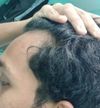
community 23M Receeding hairline, Hair fall and Hair thinning - Feeling mentally drained
A 23-year-old male is experiencing rapid hair thinning and receding hairline, feeling emotionally drained. He has tried GFC, PRP, ketoconazole shampoo, and supplements without improvement and is considering minoxidil, finasteride, and possibly a hair transplant.
community Fin & Min re-bound effects (over 20+ years)
The user experienced hair thinning and used Minoxidil and Finasteride over 20+ years, with periods of stopping and restarting treatment, and eventually had a hair transplant. They are considering restarting Minoxidil and Finasteride and are curious about the effectiveness and potential shedding after resuming the treatment.
community 3 Months of Fin + Minox + Nizoral + Dermarolling Once a Week.
User shares 3-month progress using Fin, Minox, Nizoral, and dermarolling for hair loss. Others praise results, discuss dermarolling, and suggest continued treatment for full coverage.
community deeper understanding of microneedling
community 2 months progress?? on fin 1mg everyday and derma rolling .5 once a week.
A user shared their 2-month progress on finasteride 1mg daily and weekly derma rolling, showing noticeable hair regrowth. Replies confirm visible improvement, though some attribute it partially to lighting.
community Dermarolling for Diffused Thinning.
The user experienced noticeable hair growth after starting dermarolling with a 1mm device, using minoxidil, and nizoral shampoo. They plan to reduce dermarolling frequency to three times a week and are considering additional treatments like finasteride or a hair transplant for increased hair density.
community Miniaturization or regrowth? How can I tell them apart?
The user has been using finasteride for 16 months, minoxidil for 11 months, and started microneedling 2 months ago, experiencing shedding phases. They are questioning whether they are experiencing miniaturization or regrowth.
community Looks like fin nuked my hair 1mg ED
Finasteride can cause initial hair shedding, which may indicate effectiveness, with improvements seen after 12-24 months. Some users enhance results by combining it with minoxidil and dermarolling.
community Sharing my dut shed story in case anyone else is going through something similar (No initial shed, then first shed started after 9 months)
A user shared their experience with hair shedding after switching from finasteride to dutasteride. They saw initial hair thickening, experienced shedding after 9 months, but the shedding has now stopped, and their hair is thick again.
community Molecular mechanisms triggered by Micronedlling -- Intersting Publication to better understand Dermarolling
This post and conversation are about the molecular mechanisms triggered by microneedling, specifically its effects on inflammation, tissue remodeling, epithelial proliferation, differentiation, and collagen synthesis. The discussion highlights the potential benefits of microneedling for hair loss treatment.
community Is this too much powder not dissolving (DIY topical finasteride
community 8+ months on topical fin/min. Looking for insight.
The user has been using topical finasteride (0.1%) and minoxidil (5%) for over 8 months, experiencing significant hair shedding and loss of density, and is considering switching to topical dutasteride. They are hesitant to switch due to potential shedding but plan to wait until the 12-month mark before making a decision.
community Persistent Shedding on 2.5mg Oral Minoxidil: No Reduction After 13 Weeks
The user experienced prolonged hair shedding after restarting oral minoxidil (OM) at 2.5 mg in September 2023, following a break due to hypertrichosis. Despite seeing regrowth, the shedding has not decreased after 11 weeks on the increased dosage.
community I thought I would make a quick public service announcement about haircuts for hairstylists and us
Avoid layering thin or thinning hair, as it can make hair appear thinner and uneven. Proper framing and minimal layering can help maintain a fuller look, especially when using treatments like Minoxidil and Finasteride.
community Dutasteride shedding phase while in Minoxidil
The user experienced hair shedding with finasteride and found minoxidil helpful for regrowth but insufficient alone. They are considering dutasteride but are concerned about potential shedding similar to their experience with finasteride.
community Ketoconazole shampoo stopping shed
The user experienced reduced hair shedding with Ketoconazole shampoo, suggesting it may help with scalp inflammation and hair health. They also use Minoxidil and Finasteride, and suspect food intolerance and stress contribute to their hair issues.
community Male 17 - Thinning hair and crown
community Diffuse thinner- 2 months progress. Oral Fin,Min, topical RU

community How iam doing iam receding male 28
A 28-year-old male is experiencing hairline recession despite his family having full heads of hair. Suggested treatments include finasteride, minoxidil, and ketoconazole 2% shampoo.
community Extreme shedding after ~1 year on 5% topical minoxidil — normal or problem?
A 17-year-old using 5% topical minoxidil experienced significant hair shedding after a year, possibly due to a "synchronization shed" and deficiencies in vitamin D and iron. Recommendations include continuing minoxidil, optimizing vitamin D and iron levels, and reducing tretinoin use if scalp irritation occurs.
community Accidentally posted with other account & wrong flair. What do you think? Is there regrowth?
A 46-year-old man is using minoxidil, finasteride, and derma rolling for hair regrowth but is unsure of the results and considering a hair transplant. Many suggest he looks good bald and recommend continuing treatment or trying scalp micropigmentation.