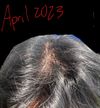
User uses dermaroller and minox for hair loss without success, considers adding Stemoxydine and mixing tretinoin with minox. Another user suggests a DHT inhibitor for sustainability.
Focus on scalp health, not just DHT suppression, is crucial for hair regrowth. Effective treatments include Hair Restoration shampoo, LLLT laser cap, microneedling, and topical finasteride.
The user is experiencing severe hair loss and color change despite low testosterone levels and healthy lifestyle changes. They have tried ketoconazole shampoo and consulted a dermatologist, who found no scalp issues but suggested using Toppik for coverage.
User is experiencing a very dry scalp with thick white flakes from using liquid minoxidil twice daily for a year. They use Nizoral every 10 days and are seeking advice for a healthier scalp, with a suggestion to use finasteride instead.
The user shares their positive experience with a hair loss treatment regimen including finasteride, Lipogaine (Minoxidil), Nizoral Shampoo, dermarolling, and a healthier lifestyle. They encourage others to start or continue their treatment without obsessing over potential side effects.
GHK-Cu is discussed for its potential anti-aging and healing properties, with some users considering its effects on hair growth. One user mentions using Folligen Spray and topical finasteride, noting improved healing but uncertain hair growth results.
Mixing Nizoral and T-Gel in a 1:1 ratio and using it three times a week provided relief from persistent seborrheic dermatitis. This treatment is recommended for those with stubborn SD.
A 27-year-old male is experiencing hair loss and dandruff, despite trying various treatments like cortisone, diflucan, and natural remedies. He is considering shaving his head and is seeking advice on the "Big 3" treatment, which includes Minoxidil, finasteride, and RU58841.
The user started using minoxidil foam daily after two years on finasteride and is managing seborrheic dermatitis with antifungal shampoo. They seek advice on moisturizing products that won't worsen their condition, with suggestions including gentle shampoos and light ceramide serums.
Finasteride is humorously blamed for causing car problems and bizarre side effects. Users joke about switching to treatments like dutasteride and minoxidil.
Minoxidil can cause scalp itchiness, often due to propylene glycol, and users suggest alternatives like foam formulations without PG, using moisturizing oils, or reducing application frequency. Some recommend ketoconazole or zinc pyrithione shampoos to help with inflammation and itchiness.
A 32-year-old male with hair loss cannot use finasteride due to erectile dysfunction and minoxidil due to scalp psoriasis. He seeks alternative treatments for his condition.
Tretinoin combined with minoxidil may improve hair regrowth, especially in difficult areas like temples, but requires diligent scalp cleaning. Some users suggest oral minoxidil as a more potent and less irritating alternative.
Bryan Johnson's new hair loss product, which includes peptides, is viewed skeptically by many, with concerns it may be a money grab rather than an effective treatment. Most users prefer proven treatments like finasteride and minoxidil, which are cheaper and have established results.
The user experienced temple recession, shedding, and acne while on 0.5mg dutasteride, 1.25mg finasteride every other day, and 5mg oral minoxidil daily. They are considering switching treatments due to worsening symptoms and are contemplating using a topical anti-androgen like RU58841.
A 20-year-old experiencing diffuse thinning for two years has been using topical minoxidil and finasteride but hasn't noticed significant regrowth or reduced hair loss. They are seeking advice on whether to switch treatments, with suggestions including oral minoxidil, topical finasteride, and maintaining scalp health.
A 40-year-old started using oral finasteride and topical minoxidil for hair loss, seeing improvements after 5 weeks. They plan to try a dermastamp for better results, as they experienced scalp irritation with dermarolling.
A 29-year-old reports positive hair recovery after 7 months using liposomal topical finasteride and minoxidil, low-level light therapy, and vitamins, following a 3600 graft DHI procedure. They experienced no side effects from the topical treatment, unlike with oral finasteride.
A 19-year-old saw significant hair regrowth using 5% minoxidil over three months, with only initial shedding as a side effect. They plan to continue minoxidil and may add finasteride to maintain results.
OP is using 0.5 mg Dutasteride and 2.5 mg oral Minoxidil for hair loss and considering a hair transplant. Most users suggest waiting 1-2 years to maximize results from the medication before opting for a transplant.
Mixing RU58841 with a solution for hair loss treatment, with suggestions to use propylene glycol and ethanol instead of k&b solution due to scalp irritation. Recommendations include using ketoconazole shampoo for itchiness and considering oral minoxidil if topical causes irritation.
Nizoral shampoo effectively reduces scalp itchiness and dandruff, particularly for those using minoxidil, and may promote hair growth despite not being FDA-approved for this purpose. Users report significant improvements in scalp health and reduced itchiness with regular use.
The user is experiencing positive hair regrowth after two months of using oral finasteride (0.5 mg) and minoxidil (2.5 mg) and is considering a hair transplant. They are seeking advice on surgeons closer to the U.S. and discussing potential side effects and alternative treatments.
An individual in Italy used a fake prescription to obtain Dutasteride cheaply, suggesting others do the same to avoid high costs. They discuss the effectiveness and side effects of Dutasteride compared to Finasteride for hair loss, with some users considering switching due to better tolerance.
The user shared impressive hair regrowth results after one year using oral finasteride and minoxidil spray, despite skepticism from some about the authenticity of the progress. The user experienced minimal side effects, such as an itchy scalp, and emphasized the importance of consistent use for maintaining results.
User shared progress pictures showing significant hair regrowth using oral finasteride, oral minoxidil, and keto shampoo. They noted the best results after consistently using oral minoxidil for six months.
The user shared progress pictures showing hair regrowth using Minoxidil, finasteride, rosemary mint oil, biotin, and vitamins. Responses praised the results, though one user doubted the effectiveness of rosemary and biotin.
Silicone scalp massagers are claimed to slow or reverse hair loss and improve hair regrowth, with users reporting reduced shedding and scalp tension. Some users also mention using them alongside treatments like minoxidil and finasteride for better results.
A person is treating their hair loss with oral minoxidil (2.5mg), derma stamping, and dutasteride (0.5mg) for nearly a year but still feels their hair isn't dense enough to grow out. Commenters are generally supportive, noting progress and suggesting it may look denser than the person perceives.
A 21-year-old male is happy with his hair regrowth after 6.5+ months using Minoxidil, finasteride, micro-needling, and 2% ketoconazole shampoo. He noticed improvement in hair texture after about 5.5 months and takes finasteride orally every other day due to side effects from daily use.