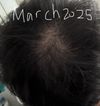
The conversation is about the effectiveness of topical melatonin for hair loss. The user is asking about the duration and results of using this treatment.
The conversation is about obtaining a finasteride prescription through Lemon Aid Health. The user is exploring the process and alternatives for getting the prescription sent to a pharmacy.
GLA may help with hair loss due to its anti-inflammatory properties and 5ar enzyme inhibition. It's considered potentially more important than biotin, especially for those already using finasteride and dutasteride.
A user has been losing hair for two and a half years after a tropical trip and illness. A dermatologist prescribed betamethasone valerate 0.1% lotion, but the user is unsure if it's safe or effective for general hair loss.
The user shared their 3-month progress using a routine of finasteride, minoxidil, rosemary oil, and supplements, along with microneedling and specific hair care products. They reported no side effects and received positive feedback on their results.
A 40+ year-old male used finasteride and minoxidil sprays daily, later adding a PEMF hat to his routine, resulting in noticeable hair regrowth in the crown area after 6 months. He plans to continue the treatment and update at 12 months.
The conversation discusses using GFM Gel, a topical gel with polypeptides that mimic growth factors to promote hair regrowth and strengthen hair. It also mentions treatments like Minoxidil, finasteride, and RU58841 for hair loss.
A 19-year-old experiencing hair loss tried finasteride but stopped due to potential side effects and is considering dutasteride. They also used topical minoxidil intermittently but didn't see lasting effects.
User shared progress pictures after 3 months of using 1mg finasteride, 5% minoxidil, a dermaroller, and castor oil. They humorously commented on their results.
A 22-year-old has been using finasteride (1.25mg), topical minoxidil once a day, and dermastamping weekly for three months with no side effects. The user is seeking feedback on hair regrowth progress, but results are inconclusive due to lighting and hair length differences in photos.
The conversation discusses disappointment in Verteporfin for hair loss treatment, with a mention of an upcoming trial by Dr. Bisanga. No specific treatments were confirmed as used by the original poster.
A user shared their progress using liquid minoxidil for hair regrowth and plans to switch to foam minoxidil due to flaking. They asked if the foam version would maintain their results and mentioned considering adding finasteride and a derma pen soon.
The conversation discusses using RU58841, a research chemical, for hair loss treatment. The user plans to use it due to side effects from finasteride and minoxidil, despite skepticism about its effectiveness and lack of FDA approval.
A user successfully maintained hair using fluridil, alfatrodial, minoxidil, and ketoconazole shampoo after experiencing side effects from finasteride. They question why this combination isn't more popular despite its effectiveness.
A user experienced severe dry eyes as a side effect of using topical and oral Finasteride for hair loss and is seeking alternative treatments. They are considering other anti-androgens like Dutasteride, RU58841, Pyrilytamide, and Fluridil, despite mixed results and potential side effects.
Finasteride can cause initial hair shedding, which may indicate effectiveness, with improvements seen after 12-24 months. Some users enhance results by combining it with minoxidil and dermarolling.
The user has been using a finasteride and minoxidil combo spray from Hims for four months, with positive results and no side effects. They apply four sprays nightly, targeting the crown and front of the scalp.
A user is seeking a Minoxidil Response Test kit in the EU without bundled consultations. They mention alternatives like oral minoxidil and tretinoin but prefer the test alone.
A 31-year-old uses Minoxidil, RU58841, Reviv Hair Serum, and Ketoconazole shampoo for hair loss but avoids finasteride. They plan to reintroduce red light therapy (LLLT) and Eucapil despite previous shedding concerns.
A user found a red light cap from China with good specifications for hair loss treatment, priced at €480. They seek opinions on its legitimacy and quality, especially from those with experience ordering from AliExpress.
The user tried various treatments for hair loss, including finasteride, vitamins, Saw Palmetto, beta sitosterol, pumpkin oil, borage oil, stinging nettle, and emu oil. They recently noticed tiny black hairs, suggesting some improvement.
Minoxidil can cause facial bloat, which some users manage by adjusting sodium intake or using it only on the scalp. Alternatives like finasteride or dutasteride are suggested for those concerned about facial changes.
A user discusses a topical prescription for hair regrowth containing Minoxidil, Finasteride, and Latanoprost, noting Latanoprost's side effect of promoting eyelash and eyebrow growth. Others share experiences and information about Latanoprost, highlighting its origins as a glaucoma drug and potential side effects.
OP used finasteride 1mg and 2.5mg oral minoxidil since late April, showing hair improvement despite some initial libido issues. Users discussed side effects, costs, and alternative treatments, with OP noting increased facial hair but no significant body hair growth.
A 45-year-old user shared progress pictures after 4 months of using a topical gel with 2.5% finasteride and 5% minoxidil once daily. The second picture shows significant improvement in hair growth.
The user used Kirkland brand minoxidil foam twice daily for a year and noticed initial progress, but feels they might be losing progress or experiencing shedding. They are considering starting finasteride but prefer to avoid it and are seeking hair styling advice.
The conversation is about hair loss treatments, specifically discussing RU58841, with concerns about its safety and lack of research. Alternatives like finasteride, dutasteride, and minoxidil are mentioned, with some users sharing personal experiences and side effects.
Amplifica is testing a compound called AMP-303 for hair loss, but it's not Scube3 or osteopontin. The timing for the results from the clinical trial is unknown.