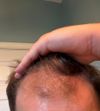
Moringa extract and oil are suggested to help with hair loss, with some users combining it with treatments like minoxidil, finasteride, and dutasteride. Moringa is claimed to improve hair growth and health, but evidence is mostly anecdotal.
The conversation discusses the potential effects of soy isoflavones on hair loss, suggesting soy might counteract DHT due to its estrogenic properties. It also touches on the legitimacy of sources and anecdotal stories about soy consumption.
The user started finasteride at 0.25 mg daily, using Nizoral 1-2 times per week, and microneedling once a week for hair loss. They hope to see positive results and share progress in a few months.
Using both finasteride and dutasteride for hair loss is debated, with some seeing it as beneficial during transition, while others find it redundant and risky. Oral minoxidil raises concerns about blood pressure, with a preference for topical use and microneedling for better results.
A peptide from Japanese water chestnut fruit may help with hair loss by suppressing DHT's effect on hair follicle cell death, potentially serving as a finasteride alternative. The treatment's effectiveness and safety in humans remain uncertain.
The user stopped using finasteride due to side effects and is considering Fluridil (Eucapil) as an alternative for hair loss treatment. They are exploring other options like RU58841 and are interested in the experiences of others with Fluridil, noting its good safety profile despite the cost.
A user suggests using a poop-based solution for hair growth, comparing it to fertilizing nails. Others humorously respond, with one mentioning microneedling as a similar concept.
The user has been using finasteride (2mg daily) to halt hair loss and is considering dermarolling with essential oils (Rosemary, Thyme, Peppermint, Tea Tree, Lavender, Jojoba) to restore the hairline. They are hesitant to use Minoxidil due to concerns about losing gains if they stop.
A user proposed an alternative hair loss treatment stack using topical caffeine, copper, microneedling, and red light as a natural option for those experiencing side effects from finasteride or minoxidil. Other users expressed skepticism, emphasizing that finasteride and minoxidil remain the most effective treatments, while the proposed alternatives are unlikely to provide long-term results.
A user discusses fighting hair loss without finasteride, using minoxidil, ketoconazole shampoo, saw palmetto, pumpkin seed oil, pygeum, stinging nettles, biotin, a boar bristle brush, and a derma roller. Replies suggest finasteride is necessary for effective hair loss prevention.
The conversation is about finding a clinic in the UK or USA that provides topical finasteride 0.02% or KX-826 for hair loss treatment. Users discuss alternatives like mixing finasteride pills with minoxidil and mention the availability of KX-826 on Amazon.
A user shared their hair regrowth journey using 5% minoxidil, Saw Palmetto, Pumpkin seed oil supplements, weekly Derma rolling, and daily rosemary oil treatment. They posted progress pictures comparing Day 1 and Month 1 but are unsure about regrowth.
The conversation is about a person's hair regrowth after 100 days using finasteride (0.5mg), minoxidil (3mg), and dermarolling, with others noticing improvement and discussing the appearance of the scalp and hairline.
The conversation is about hair regrowth, with the original poster using natural oils and supplements like pumpkin seed, saw palmetto, and zinc, while considering pharmaceutical options like minoxidil, finasteride, and dutasteride. Most users suggest using finasteride or dutasteride for effective results, as natural remedies are seen as ineffective.
The user shared a 10-month hair loss treatment update using finasteride, minoxidil, derma stamping, red light therapy, and keto shampoo, reporting improved styling ability but a stubborn frontal hairline. The user experienced lower libido as a side effect of finasteride.
The conversation is about alternatives to minoxidil for hair growth, as the original poster experienced chest tightness from using it. They are currently using finasteride and considering options like rosemary oil, pumpkin seed oil, and other topical treatments, but acknowledge that minoxidil and finasteride are the most scientifically supported treatments.
The user has been using finasteride, minoxidil, and microneedling consistently for one month to improve hair regrowth. They also use collagen peptides, pumpkin seed oil, vitamin D, biotin, nizoral shampoo, adenosine shampoo, caffeine topical, and rosemary oil as part of their routine.
The conversation is about a user's hair regrowth progress using topical minoxidil, with plans to start finasteride. The user also takes Vitamin D and washes their hair 2-3 times a week.
Zeuss sublingual products for hair loss, including finasteride and a finasteride-free option, are discussed for their potential to reduce side effects through sublingual delivery. The inclusion of copper peptides is noted, but the high price is a concern without more user feedback.
The user experienced hair regrowth using 0.5mg oral finasteride and the iRestore laser cap every other day, with reduced shedding. They also take collagen peptides and Nutrafol vitamins, though they are unsure of the latter's effectiveness.
Quercetin might help with hair loss by inhibiting HSP-70, which increases androgen receptors. Concerns include its staining properties and unclear topical absorption.
OP experienced thicker hair and less shedding with Nutrafol Women’s Balance but had flushing due to ingredients, and is considering switching to Viviscal Pro with saw palmetto. A user shared that Viviscal increased shedding for both him and his girlfriend, and suggested stopping Nutrafol if the hair loss is due to Telogen effluvium.
The conversation discusses using oral castor oil as a hair growth stimulant for beard and scalp hair. One user questions its use, noting castor oil is typically a laxative in the Philippines.
The user shared positive results after 5 months of using oral finasteride, reporting no side effects and continued shedding but less than in the initial months. Other users discussed their experiences with finasteride and minoxidil, with some expressing concerns about side effects and others sharing their own progress and plans.
Breezula is a potential hair loss treatment, but recent updates suggest it may not be as promising as initially thought. Some users express skepticism about its effectiveness based on past results.
The conversation discusses hair loss treatments, including finasteride, Nizoral shampoo, peppermint/castor oil with saw palmetto, and plans to start oral minoxidil. The user seeks advice on managing scalp buildup and flakiness from topical minoxidil, especially for curly hair, and considers using both oral and topical minoxidil.
A female user with chronic anemia and vitamin deficiencies is experiencing finer, straighter hair and seeks recommendations for scalp products to improve circulation and prevent potential hair thinning. She is considering growth oils but is unsure of their effectiveness.
The conversation humorously discusses hair loss treatments, including topical finasteride, oral dutasteride, topical minoxidil, RU58841, peppermint oil, and microneedling. It also mentions lifestyle changes like converting to Islam and avoiding smoking, drinking, and partying.