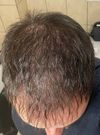
User experienced dizziness on 1.25 mg of finasteride, reduced to 0.75 mg and felt better. They also use zinc, B complex, green tea extract, derma roll with caster oil, and nizol shampoo.
The conversation discusses a 4-month hair regrowth protocol that includes finasteride (1.25mg), RU58841, dermarolling, ketoconazole, minoxidil, peppermint oil, and fatty acids/oils. Progress pictures are shared to show the results of these treatments.
A 24-year-old woman with thinning hair is using Minoxidil, saw palmetto, biotin, rosemary oil, and ketoconazole. She seeks advice on whether to try finasteride or dutasteride, the effects of Minoxidil shedding, and the significance of her hair follicle condition.
The conversation discusses which vitamins to take alongside 0.5mg finasteride for hair loss, with suggestions including a multivitamin, iron, zinc, B12, vitamin D, Nutrafol, collagen, vitamin C, saw palmetto, and magnesium. Nutrafol is noted for its benefits but also criticized for containing too much biotin.
The conversation discusses a study comparing pumpkin seed oil and 5% minoxidil topical foam for female pattern hair loss. The user is curious about the application regimen of pumpkin seed oil used in the study.
The conversation discusses a botanically derived treatment for androgenetic alopecia using ingredients like saw palmetto, green tea, and evening primrose, showing impressive results over 270 days. Concerns include the study's uncontrolled nature and potential product motivation, with suggestions to enhance absorption through derma rolling.
The user is seeking help with using Ell-Cranell for hair loss treatment. They are unsure about the correct application method and dosage. They also inquire about combining microneedling with topical alfatradiol and question a study that referred to alfatradiol as a hair growth inhibitor in male mice.
Finasteride is key for hair regrowth, supported by oral/topical minoxidil, Folexin, Nizoral/Head & Shoulders, and vitamin D. No side effects experienced; early intervention and patience are crucial.
The conversation is about someone's progress with hair loss treatment using Minoxidil, Finasteride, Ketoconazole, and oils. They shared progress pictures to show the results.
A user shared that taking multivitamins, specifically Myprotein "Alpha Man," improved their sexual energy while on finasteride. They believe the benefits come from Zinc and Vitamin B6/12.
A user experienced significant hair shedding and thinning after using oral castor oil for hair loss. Other users suggested seeing a dermatologist and noted that castor oil is typically used for constipation.
The user wants to try using 0.025% topical finasteride every day by diluting their 0.1% topical finasteride with alfatradiol, and is asking if it's possible to mix them or if there are other options. They heard that alfatradiol might not be suitable for this purpose.
The user shared their hair loss treatment progress using topical products like exosomes, fluridil, Kx826, and topical dutasteride, avoiding oral finasteride and dutasteride due to side effects. They found exosomes from Creative Biolabs most effective and also used topical probiotics, noting improvements without significant side effects.
A 22-year-old male experiencing hair thinning is considering starting finasteride but is concerned about potential side effects and hereditary factors. While waiting to access finasteride, he plans to use pumpkin seed oil, saw palmetto, biotin, and vitamins, and is advised to check blood levels before starting treatment.
A user shared their positive experience with finasteride for hair loss, noting improved hair thickness and some regrowth after a year of use. They also mentioned using peppermint oil, collagen, Nizoral, zinc supplements, and hair and mane shampoo and conditioner.
A user with diffuse hair loss after taking accutane, which might have triggered genetic predisposition to AGA; their experience taking finasteride and experiencing side effects of increased oil production, increased sex drive, worsening hair texture; they are considering zinc supplementation with finasteride or other treatments such as alfatradiol or spironolactone.
A user who is trying alternative treatments, such as mucuna pruriens dissolved in water/alcohol and a blend of jojoba oil, rosemary oil, and peppermint oil, for hair loss. Other users have shared anecdotal evidence, discussed the potential effectiveness of certain treatments, and questioned the time sensitivity of experimenting with new treatments.
The conversation is about finding a place to buy 0.025% topical finasteride in liposomal gel form in Europe. The user previously mixed their own with stemoxydine but stopped due to an oily scalp.
Hair loss discussion includes alfatradiol (Pantostin/Ell Cranell) as a potential treatment. Users share opinions on its effectiveness in their regimen.
The user is considering starting finasteride for hair loss prevention, expressing concerns about potential side effects like reduced libido and erectile dysfunction. They are currently taking saw palmetto, vitamin D, zinc, vitamin C, and biotin but are unsure if these will be effective.
A user is considering using a 0.025% topical finasteride solution with DMSO to enhance absorption but is unsure about its effectiveness and safety. Other users express concerns about DMSO's properties and potential effects on the scalp.
The conversation discusses using oral castor oil as a hair growth stimulant for beard and scalp hair. One user questions its use, noting castor oil is typically a laxative in the Philippines.
Pumpkin seed oil is a weak natural DHT inhibitor and not effective for significant hair loss. Effective treatments include finasteride, minoxidil, and other medications.
The user is using biotin, pumpkin seed oil, saw palmetto, green tea, Minoxidil, Nizoral shampoo, and derma rolling to combat hair loss but is hesitant to use finasteride due to potential side effects. Others suggest that without finasteride or dutasteride, the natural approach is unlikely to be effective long-term.
The conversation discusses using magnesium oil and microneedling to promote hair growth, alongside finasteride, due to financial constraints preventing the use of minoxidil. Another suggestion includes using a certilizine solution for hair health.
The conversation discusses a new hair growth product combining rosemary oil, castor oil, argan oil, and jojoba oil. It also mentions the use of Minoxidil, finasteride, and RU58841 for hair loss treatment.
The conversation discusses hair loss treatments, including minoxidil, finasteride, biotin, folic acid, zinc, micro-needling, niacin, and cipaxil, with the user preparing for a hair transplant. The user experiences side effects with topical finasteride and is hesitant to try oral dutasteride.
The conversation discusses the potential effects of soy isoflavones on hair loss, suggesting soy might counteract DHT due to its estrogenic properties. It also touches on the legitimacy of sources and anecdotal stories about soy consumption.