Search
for
Sort by
Community Join
870-900 / 1000+ resultscommunity seoul fue for m shape hairline... trying to narrow down clinics
community 1 yr 4 months update with topical finasteride then FUE transplant
User tried topical finasteride mixed with minoxidil, Nizoral shampoo, oral minoxidil, and FUE hair transplant for hair loss. User asks when it's safe to trim hair after transplant and considers trying RU58841 or pyrilutamide.
community Finasteride 5 months update
community Stem cell hair transplant? Any progress?
community Fin 1mg 6 months + Min 2.5mg and dermaroller 1 month
community Anyone try RU58841 from this brand? truth진실
The conversation discusses skepticism about the effectiveness and formulation of a $10 RU58841 gel from a Korean brand, questioning if ethanol is used to hold the active compounds. Concerns are raised about the feasibility of selling it at such a low price.
community Minoxidil killed my cat. You need to know how deadly this is for pets.
Minoxidil is highly toxic to cats and can cause fatal heart issues. Users recommend switching to oral minoxidil to protect pets.
community Fin+Min combination spray comparison table for people in the UK
The conversation discusses a comparison table for a spray combining Minoxidil and Finasteride for hair loss treatment in the UK. Specific treatments mentioned are Minoxidil (Min) and Finasteride (Fin).
community hairy moles to cure baldness? This news sounds promising!
Scientists discovered a potential baldness treatment from hairy moles, which can be injected like Botox. Users discussed the treatment's implications, including its safety and effectiveness.
community Anyone tried Thicair? thoughts?
Thicair is a product combining microneedling and subdural vitamins for hair loss, containing ingredients like Panax Ginseng Root Extract and Copper Tripeptide-1. Users are skeptical, with one calling it "quackery."
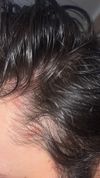
community Recent Scalp Itching and Redness, Using Tea Tree/Rosemary Oil, Advice?
The user is experiencing scalp irritation and hair thinning, possibly due to stress, with red patches on the face and dry skin. They are considering seeing a dermatologist and have used tea tree and rosemary oil.
community Anyone tried Bunee Minoxidil foam - how does it compare?
A user in the UK is considering buying Bunee Minoxidil foam from eBay, which is cheaper than Regaine but is concerned it might be a fake product. They are seeking opinions on its legitimacy and effectiveness.
community Hair restoration : Minox + Fin
community HYBRID TABLET PROGRESS - 1.1mg Fin / 3mg Min
community My thoughts on the FUD surrounding Finasteride
community Cool hair transplant visualization
The conversation discusses hair transplants, including the use of techniques like FUE and the importance of a good donor area to avoid visible bald patches. It also touches on alternative treatments like Minoxidil, Finasteride, and Pyrolutimide, and debates the idea of embracing baldness versus seeking treatments.
community Completed my Clascoterone study, updating as promised, no change
The user completed a Clascoterone study with no observable changes in hair loss and plans to try microneedling and Minoxidil next. They will microneedle weekly and apply Minoxidil twice daily, except on the night of microneedling, and compare results after six months.
community Has anyone seen the data on this 539% boost breakthrough?
Topical Clascoterone showed a 539% improvement in hair count compared to placebo, but its effectiveness and safety are debated. Users compared it to minoxidil and finasteride, with mixed opinions on its potential release in 2026 or 2027.
community Pyrilutamide cease and desist from Kintor
Considering a hair transplant, using Pyrilutamide, the potential availability of CosmeRNA, and the significance of taking Minoxidil and Finasteride for long-term results.
community Anyone know minoxidil alternatives that work
User seeks minoxidil alternatives, considering redensyl and lattisse. Finasteride ineffective for hairline after two months, microneedling also used.
community How long are Pelage going to milk the phase 2a results of PP405?
PP405, a potential hair loss treatment, is facing delays in releasing Phase 2 results, causing frustration among users who compare it to past failed treatments. Despite skepticism, some remain hopeful about PP405's future, while others discuss alternative treatments like Clascoterone and its expected market release.
community 1% cetirizine (available in allergy medicines) for androgenetic alopecia
The conversation discusses using 1% cetirizine, an antihistamine, as a potential treatment for androgenetic alopecia (hair loss). One user plans to try cetirizine instead of finasteride, while others are curious or skeptical about its effectiveness, discussing the role of inflammation in hair loss.
community Natural alternatives to topical minoxidil
Burdock root and marigold are suggested as natural alternatives for hair growth. Onion juice, castor oil, and rosemary oil are also mentioned as treatments.
community Any new Verteporfin updates?? Does anyone have any new information on the trials?
community Fin shed is no joke. This is from running my hand through my hair on my way home
The conversation is about hair shedding experienced while using finasteride (fin) for hair loss treatment. Users discuss their experiences with finasteride, minoxidil (min), and other treatments, noting that shedding is often a sign that the treatment is working.
community Hair fibers have been a huge confidence booster for me, I just hope that I’ll respond well to fin/min/derma rolling.
Hair loss discussion includes treatments like hinoki tree oil and procyanidin b2. Experiences and effectiveness of these treatments are shared.
community Starting my Pyrilutamide + ru58841 journey
An individual's journey to treat their severe hair loss condition using the medications Pyrilutamide and RU58841. They will provide regular updates on their progress.
community Detailed 6 months update for FUE HT and 4 years of FIN-MIN journey
A 25-year-old who has been using minoxidil and finasteride for 4 years to treat hair loss, underwent a successful FUE hair transplant in Mumbai, India, in April 2023. The user reported positive results, including increased hair density and reduced frizziness, and plans to continue treatment for further growth.
community Keratin fibers helped me to combat the cosmetic effect of hair loss
Hair loss discussion includes treatments like hinoki tree oil and procyanidin b2. Experiences and effectiveness of these treatments are shared.