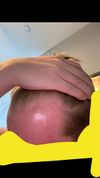
A 19-year-old seeking advice on hair loss treatment is considering options like Minoxidil, finasteride, and RU58841. They are looking for guidance to potentially revive their hair.
The conversation is about concerns and advice regarding microneedling for hair loss, with potential risks like chronic inflammation, scarring, and folliculitis. The user has been using minoxidil, finasteride, and stemoxydine with good results and is considering adding microneedling, with recommendations for using a dermastamp or pen.
A 36-year-old man has been using oral finasteride and minoxidil for six months and is considering switching to dutasteride due to concerns about shedding and lack of response. Users suggest continuing with finasteride, trying micro-needling, or cautiously adding dutasteride while monitoring for side effects.
A 31-year-old man experienced significant hair regrowth after nearly three months of using oral Minoxidil (3 mg) and Finasteride (1 mg), along with derma rolling, Biotin, and other supplements. He reports no noticeable side effects and encourages others to try the treatment.
The user reports promising hair regrowth without using finasteride, focusing instead on microneedling, dermarolling, minoxidil, tretinoin, scalp massages, and red light therapy. They emphasize consistency and a healthier, side-effect-free approach.
Microneedling with topical minoxidil is effective for hair regrowth, especially with finasteride. Users report fewer side effects compared to oral minoxidil.
The user is using topical minoxidil twice daily for hair regrowth and is hesitant to use finasteride due to concerns about hormonal effects. The conversation includes mixed opinions on the effectiveness of the treatment and suggestions to use a DHT blocker for better results.
Training scalp muscles to absorb more DHT is suggested as a hair loss solution, but users debate its effectiveness compared to medications like dutasteride and finasteride. Concerns about side effects of DHT blockers, such as reduced libido, are discussed, with some advocating for natural remedies like scalp massages and healthy living.
A 19-year-old is using topical minoxidil 7% and finasteride 0.1% foam, along with a laser cap, to combat hair loss. They report progress despite initial shedding and are considering switching to oral finasteride in the future for convenience.
The user has been using minoxidil for a year and started microneedling recently, but is unsure about hair regrowth and is considering starting finasteride despite concerns about side effects. Other users suggest that combining minoxidil with a DHT blocker like finasteride is necessary for better results, as minoxidil alone may not be effective long-term.
The conversation discusses various hair recovery treatments, including finasteride, dutasteride, minoxidil, RU58841, ketoconazole shampoo, microneedling, and tretinoin. Users debate the effectiveness and safety of these treatments, with some suggesting combinations like dutasteride and minoxidil as potent options.
Using 1mg Finasteride and 5% Minoxidil for a year led to significant hair regrowth, despite initial side effects like decreased sex drive, which improved with exercise. Consistency in treatment was highlighted as crucial for success.
A 20-year-old shared their experience of reversing hair loss without using minoxidil or finasteride, instead relying on supplements like biotin, collagen, fish oil, saw palmetto, and various vitamins. They emphasized the importance of a balanced supplement schedule and noted improvements in hair health without experiencing additional shedding.
The user is using a combination of microneedling, minoxidil, tretinoin, scalp massages, and red light therapy to address hair loss, with a focus on the hairline and temples. They emphasize the importance of scalp massages and have seen regrowth, attributing success to their comprehensive routine.
Dutasteride may cause chronic infertility by reducing semen volume and motility, with concerns about irreversible prostate fibrosis. Users consider switching to finasteride or using treatments like minoxidil and microneedling, weighing hair preservation against fertility.
A 23-year-old male experienced hair thinning and side effects from finasteride and minoxidil. He found improvement in hair health and other symptoms by using mouth tape at night, suggesting better oxygen intake might help with hair loss.
The user plans to lower their oral minoxidil dose from 5 mg to 2.5 mg to reduce side effects like puffiness and hypertrichosis, while also using finasteride and accutane. They are considering caffeine serums for puffiness and discussing dietary changes or switching to topical minoxidil to address bloating.
The user experienced significant hair regrowth using a treatment regimen including finasteride, oral and topical minoxidil, RU58841, red light therapy, microneedling, and various supplements. They switched from dutasteride to finasteride due to side effects and reported improved results and well-being.
The user is using a combination of oral Dutasteride, topical Minoxidil, Ketoconazole shampoo, and other supplements for hair regrowth, with plans to start microneedling. Some users see progress and suggest microneedling to enhance results, while others note that significant changes may take more time.
Derma rollers may cause scarring alopecia, leading some to prefer dermastamps or dermapens for microneedling. Combining minoxidil with microneedling is effective, but proper technique and healing time are essential to prevent damage.
RU58841 may cause heart-related side effects like palpitations and chest pain, though evidence is mostly anecdotal. Users report mixed experiences, with some stopping due to side effects and others using it without issues, but concerns about its safety and sourcing remain.
Microneedling combined with 5% Minoxidil and finasteride significantly improves hair growth compared to using Minoxidil or Minoxidil with finasteride alone. The combination treatment is safe and effective, but further research is needed due to small sample size and short study duration.
The conversation discusses a user's unconventional hair loss treatment involving scalp massage, dermastamping, and pouring hot water to induce a burning sensation, with a warning not to try it without further evidence. Other users suggest more traditional treatments like Minoxidil and finasteride, while expressing skepticism and concern about the hot water method.
The user experienced significant hair regrowth using 1mg of finasteride daily and 5% minoxidil foam twice daily, along with Ketoconazole shampoo twice a week. They also use a scalp scrubbing brush and Moroccan Oil products, reporting no side effects from the treatment.
A user shared a hair growth stack using minoxidil sulfate, valproic acid, bimatoprost, blue copper peptide, and other ingredients, emphasizing a gel-based formula for better skin tolerance. Another user suggested adding a 5-alpha-reductase inhibitor like finasteride or dutasteride for more effective long-term results.
A sugar gel called 2-deoxy-D-ribose (2dDR) shows potential for promoting hair regrowth by increasing blood supply to hair follicles, similar to Minoxidil, but its effectiveness in humans is unproven. It may benefit those who don't tolerate Minoxidil, but it is not a replacement for treatments like Finasteride or RU58841.
Oral minoxidil and vitamins reduced shedding for one user. Others distrust dermatologists and prefer personal research on treatments like finasteride and microneedling.
The user started finasteride (1mg) a year ago for hair thinning, experiencing stabilization but not significant regrowth. Suggestions included adding minoxidil, microneedling, and considering a hair transplant for improved results.
The conversation discusses hair loss treatments, specifically the use of finasteride (Fin) and oral minoxidil (Oral Min), with progress shown using hair fibers like DermMatch and Toppik. The original poster plans a hair transplant and mentions side effects like reduced libido from finasteride.