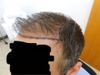
A user shared progress pictures showing hair improvement after using Minoxidil Foam, Nizoral Shampoo, and microneedling. They plan to add finasteride in a few months.
The user does not respond well to minoxidil and is seeking an alternative to Tretinoin to upregulate sulfurtransferase activity for hair loss treatment. No specific alternative treatments were mentioned.
The user aims to achieve a hypertrichosis look and has used topical Minoxidil for 20 years, now trying oral Minoxidil in a low dose. They seek alternatives to Minoxidil to avoid side effects.
The user experienced significant hair regrowth after 5 months using finasteride, dutasteride, and oral minoxidil, despite initial side effects like erectile dysfunction, which resolved after switching from finasteride to dutasteride. The user reports full recovery of hair density and improved skin condition, though the right temple remains slightly recessed.
A 28-year-old man saw hair regrowth after 1.5 years using a topical treatment combining 0.3% finasteride and 6% minoxidil. He initially experienced anxiety with oral finasteride but had no side effects with the topical version.
Minoxidil can be used alone to address thinning hair, but it may be less effective without finasteride. Minoxidil increases blood flow and may regrow some hair, but it doesn't block DHT.
User experienced hair loss since 16, used Fin, Minox, and Nizoral with success but stopped due to side effects. Now using Pur D'or shampoo, Rogaine foam, scalp massages, volumizing spray, and dermarolling for hair maintenance.
A 35-year-old man shares his one-year progress using 1.25 mg oral finasteride and 5% topical minoxidil for hair loss, with no side effects and slight improvement in his front hairline. He also uses keto shampoo twice a week and a 0.5mm roller weekly.
A person had a hair transplant using FUE with 4150 grafts after a previous FUT with 2000 grafts and is now using Dutasteride and oral Minoxidil. They are concerned about hair gaps on the side, questioning if they are a result of the transplant and if they are temporary.
The conversation humorously discusses hair regrowth treatments, specifically minoxidil and finasteride, with a user claiming significant hair loss reduction using oral minoxidil. It highlights varying responses to treatments and the frustration of hair loss.
The user is using finasteride 1mg every other day and seeks a topical solution excluding minoxidil. They are considering various combinations of ingredients like finasteride, dutasteride, and tofacitinib, with options for nourishing oils and other additives.
A user successfully managed finasteride-induced gyno symptoms by making lifestyle changes, including fasting, avoiding soy, and increasing cardio. They resumed finasteride with a lower dose combined with minoxidil and P7 vitamins without recurrence of symptoms.
The user experienced good hair regrowth over three months using a daily topical spray of 0.3% finasteride and 6% minoxidil on the hairline, with no significant side effects. The brand used was Hims.
The user experienced temple recession, shedding, and acne while on 0.5mg dutasteride, 1.25mg finasteride every other day, and 5mg oral minoxidil daily. They are considering switching treatments due to worsening symptoms and are contemplating using a topical anti-androgen like RU58841.
MCL-1 protein may help maintain hair follicles in the growth phase and prevent miniaturization. There is interest in experimental treatments like exosomes, peptides, or stem cell serums to upregulate MCL-1 for hair loss, especially for those not using minoxidil or finasteride.
The user shared a 4-5 month update on using finasteride, minoxidil, vitamins, oiling, and microneedling for hair loss. They reported improved hair density and confidence but experienced unwanted hair growth, thin hair, itching, and a flaky scalp.
User started oral finasteride 0.33mg daily and later made a topical solution with cetirizine and stemoxydine. They experienced hair growth progress after 8-9 months and discussed factors affecting their results.
A 23-year-old shared their positive 4-month progress using 1mg oral finasteride and topical minoxidil for hair loss, noting increased hair health and confidence despite initial shedding. Other users shared similar experiences and results, with some using Kirkland Costco minoxidil.
The user is using topical finasteride (1MG in 30ML stemoxydine) and experiencing a lack of morning erections after three months. They are questioning whether to discontinue the treatment or if the side effect will resolve if they continue.
A user shared their 3-year progress using 0.5mg finasteride daily for hair loss, reporting no side effects and significant improvement after 8-10 months. They are considering increasing the dosage or adding minoxidil for further results.
The user has been taking finasteride 1mg/day since 2021 and recently added oral minoxidil 2mg/day for 40 days. They are questioning if the observed hair growth is due to minoxidil.
The user reports significant hair regrowth after 5 months using oral finasteride and minoxidil. They seek advice on restarting treatment and using derma rollers after a 2-month break.
The conversation discusses creating a foam version of RU58841 for easier application on thick hair, comparing it to minoxidil foam. The user currently uses dutasteride, minoxidil, and needling for hair loss treatment.
An 18-year-old male plans to start using minoxidil (5mg foam) and finasteride for hair loss. He is concerned about the effectiveness of using minoxidil once a day instead of the recommended twice daily.
The user has been using finasteride for 15 months, minoxidil for 4.5 months, and estrogen monotherapy for 4.5 months. Their current regimen includes finasteride, minoxidil, alfatradiol, and estradiol gel.
A user trying various treatments for hair loss, such as minoxidil, stemoyxidine, alfatradiol, and microneedling, with plans to add tretinoine and finasteride.
The user experienced significant hair regrowth after using oral and topical minoxidil and finasteride for over three months. They reported minimal side effects, such as facial hair growth and minor bloating, and are optimistic about continued progress.
The user is using a regimen of topical Minoxidil and Finasteride, oral Minoxidil, and a thickening shampoo and conditioner. They report no side effects except increased body hair, which they don't mind.
A 24-year-old shares progress on hair regrowth after 3 months using 2.5mg oral minoxidil, 0.5mg dutasteride, and scalp injections of dutasteride, minoxidil, and vitamins every two weeks. They are uncertain if the improvement is due to actual regrowth or just longer hair.
A 28-year-old male is happy with hair growth results after 7 months on finasteride, taking 0.5mg daily, with no sexual side effects but some mood issues. He considered adding minoxidil but decided to continue only with finasteride due to positive results.