Search
for
Sort by
Community Join
30-60 / 1000+ resultscommunity important questions about RU58841
The user has been using finasteride for hair loss and is considering adding RU58841. They ask about RU58841's effectiveness, potential heart side effects, duration of action, dosage increase over time, transitioning to GT20029, and where to find the liquid form.
community One year finasteride only results
community Journey begins (fin 1mg + micro needling 1.5mm + nizoral).
The post is about a user starting a hair loss treatment using finasteride, micro needling, and nizoral. The conversation includes supportive replies from other users.
community Switching generic brands fin 1mg
The user noticed a slight loss of progress after switching to Milpharm finasteride 1mg and is considering switching to Accord finasteride. They seek advice on whether to continue with Milpharm or switch brands.
community M21 one year progress fin only
A 21-year-old shares their one-year progress using finasteride for hair loss, experiencing initial shedding but eventual regrowth, especially on the crown. They consider switching to dutasteride due to continued hair loss at the front temple and mid-scalp areas.
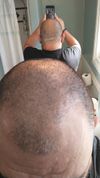
community (M49) 4 month progress - Fin 1 MG, microneedle once a week
The user reported noticeable hair improvement over four months using 1 mg of finasteride and weekly microneedling. Progress photos from October 2024 to January 2025 show positive changes.
community PP405 vs Hair Cloning – Which Would Be Better for NW7 to NW1?
PP405 and hair cloning are discussed as potential treatments for reversing hair loss from Norwood 7 to Norwood 1. Hair cloning is seen as a more permanent solution, while PP405's effectiveness and long-term effects remain uncertain.
community RU-58441 Janoshik test result of Made-In-China Supplier
A user ordered RU58841 from a Chinese supplier, found it to be less than 99% pure, and plans to try a different seller next time. Concerns were raised about impurities, but the user believes they are likely inactive fillers rather than harmful substances.
community 1 Year on just Fin 1mg 3 times/week
A user shared their one-year progress using finasteride 1mg three times a week, starting at age 25, with noticeable regrowth after three months and no side effects. Other users discussed their experiences with finasteride, minoxidil, microneedling, and dutasteride, noting varying results and side effects.
community US FDA will now default to only one clinical trial for drug applications, will this accelerate the release of PP405 and other drugs in clinical trials?
The FDA will now require only one clinical trial for drug approval, potentially speeding up the release of hair loss treatments like PP405. Pelage is expected to present full results of PP405 Phase 2a trials and move to Phase III in mid-2026.
community 1 year progress update on fin/min
community 1.5 years on fin - 1.25mg daily
community RU-58841 without finassteride?
RU58841 is used without finasteride by some due to side effects, with mixed results. Users report combining RU58841 with minoxidil and adjusting finasteride doses to manage hair loss.
community RU58841 and impact onmale fertility?
The conversation is about the potential impact of RU58841 on male fertility, specifically regarding sperm concentration, total count, and motility. The user is curious about the likelihood of RU58841 reducing fertility based on its mechanism of action and comparisons to similar substances.
community 1 year update! Thinking of reducing my dose from 1mg to .5mg per day.
User shared a 1-year update on finasteride, noting thicker hair but mild side effects like reduced libido and mild ED. Considering reducing the dose from 1mg to 0.5mg daily to alleviate side effects.
community GT20029 and PP405 the new fin and min that we been waiting for ?
PP405 and GT20029 are new hair loss treatments with different mechanisms from traditional options like Minoxidil and Finasteride. PP405 targets hair follicle stem cells to reactivate growth, while GT20029 works as an androgen receptor deleter, both requiring ongoing use for effectiveness.
community GFM Gel - High concentration topical gel of Mimicking Growth Factors (GFm), a complex of polypeptides that mimic the action of endogenous growth factors and promote physiological hair regrowth. Helps strengthen the hair bulb and redensify the hair.
The conversation discusses using GFM Gel, a topical gel with polypeptides that mimic growth factors to promote hair regrowth and strengthen hair. It also mentions treatments like Minoxidil, finasteride, and RU58841 for hair loss.
community Post HT +1.5 years on Fin only
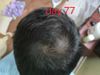
community Approx 1 year on finestride 1 mg
The user shared progress pictures after approximately one year of using finasteride 1 mg for hair loss. They requested opinions on the results shown in the photos.
community RU58841 is a scam until proven otherwise
community Has HMI-115 finished Phase I? Hope Medical website shows possible completition.
The progress of Phase I of HMI-115, a potential hair loss treatment, which consists of Minoxidil, finasteride, and RU58841. The estimated completion date is June.
community RU58841 Options in Europe and the UK
community Oral fin 1mg, oral min 2.5 mg - 18 months
community Finasteride Worries
community OND-1 "Cyclosporine A” New hair loss treatment
Orient Bio is developing a PLGA formulated version of Cyclosporine A to stimulate hair growth without its immunosuppressant effects. Users discuss various treatments like Clascoterone, PP405, minoxidil, and tacrolimus, expressing hope for new developments and sharing personal experiences with these treatments.
community Follicum releases some data from previous phase 2a trial
Follicum discovered that their drug FOL-005 increased hair count by 12 hairs per cm2 in patients with less than 255 hairs per cm2 and is planning a phase 2b trial. They are currently fundraising for the trial, and the drug may also be effective for women.
community sebum overproduction on fin 1mg and hair thinning
User is experiencing hair thinning and sebum overproduction after starting finasteride and a hair growth supplement containing biotin, iron, zinc, and calcium. They suspect the finasteride might be fake but have noticed a side effect of watery semen.
community No more hair transplants - a new FDA-cleared fractional laser treatment called FoLix
community 1.5 years fin results ( 0.25mg ED)
A user shared their 1.5-year experience using 0.25mg finasteride daily for hair loss, noting significant hair quality improvements and reduced scalp itch but mild erectile dysfunction. They managed side effects with daily 2.5mg Cialis and 5mg citrulline and plan to continue this routine.