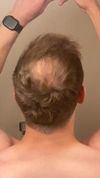
Oral minoxidil can boost hair growth but may cause side effects like heart palpitations and increased body hair. Many prefer topical minoxidil due to fewer side effects.
Effective treatments for male pattern baldness include finasteride, dutasteride, and oral minoxidil. Non-effective approaches include oils, shampoos, serums, laser therapies, massages, vitamins, and microneedling.
OP struggles with scalp flakes causing hair loss and has tried Selsun Blue, Ketoconazole, and ZPT Shampoo without success. Suggestions include using salicylic acid shampoo, shaving the head, using Nizoral, and combining treatments like Minoxidil and finasteride.
The user shared a 1-year progress on hair loss treatment using topical minoxidil twice daily, finasteride daily, microneedling, oral minoxidil, and Nizoral every three days, showing significant improvement. Commenters expressed admiration for the results and hope for their own hair recovery.
A user shared their positive experience with hair regrowth after 9 months of using 1mg finasteride daily and 2.5mg oral minoxidil every other day, with no side effects. Other users expressed various reactions, from skepticism to hope, and discussed their own experiences with similar treatments.
A user shared a 2-month progress picture showing improvement in hair loss using minoxidil, a derma roller, ketoconazole shampoo, and oils. They also discussed the psychological aspect of believing in the treatment's effectiveness and mentioned not using finasteride.
The conversation revolves around the experiences of different individuals with hair loss treatments like Minoxidil, Finasteride, and RU58841. The discussion includes various perspectives on the effects of these treatments, the importance of hair for self-esteem and attractiveness, and the influence of significant others on the decision to use or stop using these treatments.
User asks how to manage sex life while using topical minoxidil for hair loss. Responses suggest various strategies, including using finasteride, applying minoxidil before or after sex, and avoiding certain positions.
The user lost hair density after 7 months of using minoxidil and finasteride and is seeking advice on other treatments after trying tretinoin, microneedling, and castor oil. Suggestions include checking for scalp conditions like eczema or psoriasis, changing minoxidil brands, and questioning hair dryer use and finasteride dosage.
A user's experience with Pyrilutamide, a topical treatment for hair loss that they used in combination with other treatments such as Minoxidil and Finasteride. The user experienced impressive results in a short amount of time.
A user's experience with hair loss treatments, including Finasteride, Minoxidil, Nizoral Shampoo, Rosemary Oil, Vitamin D, Biotin, Vitamin C, Zinc and Dermarolling, that have not been successful over the past 14 months. Other users gave advice on how to cope with the issue, such as exercising, changing mindset, and shaving their head.
The user experienced significant hair thickening after using topical minoxidil and oral finasteride for about 5 months and is considering switching from finasteride to RU58841. Other users encourage the original poster to continue the current treatment due to the positive results.
A user stopped using minoxidil due to severe side effects and experienced rapid hair loss. They also tried finasteride and dutasteride but faced adverse reactions, leading them to consider accepting hair loss and exploring options like oral minoxidil or a hair transplant.
The user has been taking finasteride for 1.5 years without seeing improvement in hair regrowth. Suggestions include adding minoxidil or switching to dutasteride, with concerns about side effects.
Significant hair regrowth was achieved after six months using finasteride and minoxidil, with no side effects reported. The user plans to taper off minoxidil and is considering oral minoxidil, but is cautious due to potential heart issues.
The conversation discusses a hair loss flowchart for beginners, with mixed opinions on its effectiveness. Treatments mentioned include minoxidil, finasteride, dutasteride, microneedling, and vitamins.
This user has been using a combination of topical Minoxidil and Finasteride, oils, biotin, vitamins D and K, and derma-rolling for 3 months to help reduce hair loss. They have experienced some progress but are still looking for more recommendations from others.
User obsessed with hair loss prevention shares collection of treatments, including oral and topical finasteride, minoxidil, dermapen, and more. Others suggest adding RU58841, laser helmet, and PRP, while some advise dropping certain treatments for long-term manageability.
A user convinced their 45-year-old dad to use minoxidil and finasteride, resulting in significant hair regrowth. The dad now uses 1mg of finasteride daily and topical minoxidil twice a day, and has also started using 1% ketoconazole shampoo.
The conversation is about a user's 26-month hair loss treatment journey using finasteride, minoxidil foam, and microneedling, with gradual improvement in their hairline. The user applied treatments consistently and adjusted the frequency of microneedling based on feedback, noting that progress can feel slow compared to others.
The conversation discusses creating a DIY topical finasteride solution for someone allergic to propylene glycol, with suggestions to use glycerin or a glycerol-based vehicle instead. The user also mentions using foam minoxidil.
Oral minoxidil boosted vertex hair but not the hairline, with a stack including 5mg minoxidil, 2mg dutasteride, topical foam minoxidil, fluridil, and Nizoral. Users discuss dosing strategies, with some suggesting 2.5mg twice daily for sustained levels, while others recommend 5mg once daily based on clinical trials.
An 18-year-old male plans to start using minoxidil (5mg foam) and finasteride for hair loss. He is concerned about the effectiveness of using minoxidil once a day instead of the recommended twice daily.
The conversation discusses significant hair regrowth after three months of daily 1mg finasteride, minoxidil foam, and weekly dermarolling. Users are impressed with the results.
A 35-year-old male shared his hair restoration journey, starting with minoxidil and finasteride, which improved his hairline and crown, followed by a hair transplant in November 2024. He stopped finasteride to conceive, experienced some shedding, and is now considering switching to dutasteride while continuing minoxidil.
/82 sokak no:3, Bornova, İzmir Province
This conversation is about a user's progress after hair transplant surgery and the treatments they used to maintain it. They had a transplant of 3000 grafts in April 2022, taking finasteride 1mg daily and minoxidil twice daily foam, as well as using Nizoral shampoo and Hair Growth Shampoo from Watermans once a week. The results have been positive with good hair health improvement.
A 30-year-old is using 1mg finasteride daily and 5% minoxidil inconsistently for hair regrowth, noticing recent progress and considering switching to dutasteride. Users advise continuing the current regimen for at least two years before considering dutasteride, as finasteride and minoxidil are showing positive results.
Alcohol-based minoxidil absorbs better but can cause irritation; non-alcohol-based is gentler. Topical dutasteride shows promise but needs more research; low-dose oral minoxidil (0.25 mg/day) is effective with fewer side effects. Ingredients like Procapil, Redensyl, caffeine, and Anagain in shampoos have limited evidence; ketoconazole shampoo can help when used 2-3 times a week with other treatments.
The user has been using finasteride, minoxidil foam, and microneedling for hair loss for four months. Some users suggest it's too early for noticeable results, while others note potential improvement and emphasize patience.
A 19-year-old is using topical minoxidil 7% and finasteride 0.1% foam, along with a laser cap, to combat hair loss. They report progress despite initial shedding and are considering switching to oral finasteride in the future for convenience.