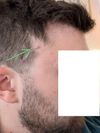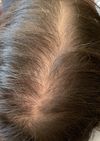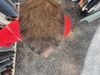
A user's successful hair loss treatment using ketoconazole shampoo, 0.5mg finasteride, and 5% liquid minoxidil. They noticed significant results after 4 months, with reduced hair fall observed earlier.
The post and conversation discuss the unpredictable nature of diffuse thinning, a type of hair loss. Users share personal experiences, with some mentioning treatments like oral finasteride and toppik, and the need for patience with these treatments.
The user regained hair and reduced forehead size using a routine of 1mg finasteride, 5mg minoxidil, topical minoxidil twice daily, tretinoin before minoxidil, derma stamping weekly, red light therapy daily, and ketoconazole shampoo thrice weekly. They experienced initial side effects with finasteride but adjusted the dosage over time.
A person treated their diffuse alopecia with oral minoxidil (10mg daily), oral finasteride (reduced to 0.25mg daily due to side effects), castor oil, vitamins, and ashwagandha, and plans a hair transplant in Turkey. They stopped using topical minoxidil, have seen improved hair density, but are still experiencing hair loss.
A 30-year-old man is frustrated with hair loss despite using finasteride, topical minoxidil, ketoconazole shampoo, and PRP. Suggestions include trying oral minoxidil, dutasteride, RU58841, or considering a hair transplant.
A 27-year-old male with diffuse hair loss, including the donor area, did not respond to finasteride, dutasteride, or minoxidil. He suspects his hair loss may be linked to a mild connective tissue disorder, possibly affecting the structural support of hair follicles, rather than being purely hormonal.
The user is using caffeine shampoo with baicapil, microneedling, massage, and procapil lotion for hair loss. Replies suggest the user is balding and recommend finasteride.
The user experienced improved hair density after switching from 5mg to 2.5mg oral Minoxidil post-esophagus surgery, suggesting a possible link between gut health and hair growth. They theorize that long-term medication may have blocked nutrient intake, affecting hair regrowth.
The user is experiencing hair loss, possibly due to androgenetic alopecia and seborrheic dermatitis, and has tried ketoconazole shampoo without success. They are hesitant to use finasteride due to potential side effects and are seeking advice on managing their condition.
Obscure hair loss topicals like Alfatradiol, Fluridil, and Stemoxydine are discussed. They may be considered for those not responding well to common treatments like Minoxidil and Finasteride.
Lichen Planopilaris (LPP) is an autoimmune condition causing permanent hair loss and fibrosis, often misdiagnosed. Treatments include pioglitazone, topical corticosteroids, anti-inflammatory medication, and Jak inhibitors.
The conversation discusses a small patch of missing hair and whether treatments like Minoxidil, finasteride, or RU58841 could help. The user is seeking advice on addressing this specific hair issue.
A 30-year-old woman experiencing rapid hair loss is using 5% Minoxidil, Saw Palmetto, vitamins, and Nizoral, but is advised to see a dermatologist as her symptoms may indicate a condition other than androgenetic alopecia, such as alopecia areata or a thyroid issue. Many suggest a biopsy and blood tests to determine the underlying cause.
Some individuals experience hair loss despite using treatments like 2.5 mg dutasteride, finasteride, and minoxidil, suggesting sensitivity to DHT or other factors. Various treatments and lifestyle changes are discussed, but results vary, and some consider hair transplants or other solutions.
A woman with androgenetic alopecia uses Dutasteride and Bicalutamide but feels devastated due to increased sensitivity to DHT. She considers wigs, Minoxidil, and seeks advice on options like spironolactone, hair transplants, and therapy.
The user has been dealing with hair loss since middle school and has tried various treatments like mesotherapy, PRP, and red light therapy without success. Currently, they use minoxidil, finasteride, and dutasteride but are considering a hair transplant due to limited improvement.
The user is experiencing diffuse hair thinning despite using finasteride and oral minoxidil, with no hairline recession or bald spots. Suggestions include checking for telogen effluvium, considering a JAK inhibitor for potential autoimmune issues, and conducting further tests to rule out other causes.
The user experienced eyebrow hair loss and tried various treatments, including Minoxidil, a Capsaicin-based product, Latanoprost, Bimatoprost, Castor Oil, and Travoprost. Despite initial setbacks and a brutal shedding phase, they eventually saw positive results with Travoprost, encouraging others not to give up on treatments.
A user experienced rapid hair loss and was prescribed Desonide cream for mild Alopecia. They are seeking feedback on its effectiveness and potential side effects.
The user has tried various treatments for hair loss, including finasteride, dutasteride, RU58841, Pyrilutamide, and several topical growth factors, but continues to experience a receding hairline and thinning. Despite maintaining a healthy lifestyle, the user is unsure why these treatments are ineffective and seeks advice on the underlying cause.
The user is experiencing significant hair loss and has tried treatments like PRP therapy, topical and oral Minoxidil, Finasteride, and dietary changes, with limited success. They are concerned about losing more hair before a scheduled hair transplant and are advised to postpone the transplant to allow medications more time to work.
Topical formulations, natural products, and CAM therapies are being used to treat Androgenic alopecia to avoid side effects of Finasteride and Minoxidil. The review covers various low-risk, alternative treatment options.
A user's transformation from an accountant to a spartan with a full beard, discussing the potential of DUPA and alopecia areata, as well as treatments like vitamins, topicals, and natural treatments for potential regrowth.
A user shared progress on hairline improvement after 3 months using oral finasteride, topical minoxidil, and a dermaroller. They also use Alpecin Caffeine shampoo daily and ketoconazole shampoo weekly.
The user experienced significant hair loss on the scalp, eyebrows, eyelashes, and pubic area, along with itchy, flaky skin and red patches. They have a history of eczema and dermatitis and suspect that stopping shampoo use and taking Ritalin may have contributed to the issue.
The conversation discusses severe hair loss, possibly due to telogen effluvium or male pattern baldness, lasting over three years. Suggested treatments include minoxidil, finasteride, and dermarolling, with a recommendation to consult a dermatologist.
DHT sensitivity at the scalp increases with age, contributing to androgenic alopecia. Treatments like Minoxidil, finasteride, and RU58841 are discussed for managing hair loss.
A female user is experiencing heavy hair shedding and receding temples, possibly due to low ferritin levels. She is using oral minoxidil, iron supplements, and ketoconazole shampoo, and is hesitant to start spironolactone.
The user has been using minoxidil daily, finasteride three times a week, and ketoconazole 1-3 times a week for a year to treat hair loss, resulting in noticeable hair regrowth at the hairline and temples, with minor side effects like itching and dandruff. They started with minoxidil a month before the other treatments and experienced an initial shedding phase for about six weeks.
A 30-year-old with a family history of receding hairlines is considering starting finasteride due to gradual hairline recession. They are seeking advice on whether to begin treatment or if they are worrying unnecessarily.