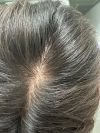
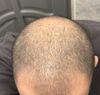
The user is considering taking ashwagandha while on finasteride to manage side effects, noting it reduces stress but may cause hair thinning. They are unsure if the thinning is due to ashwagandha or normal shedding from finasteride.
Significant hair regrowth was achieved using oral finasteride and topical minoxidil over five months, with noticeable improvements in hairline and temple areas. The user experienced minimal side effects, mainly increased eyebrow and eyelash growth, and attributes additional physical improvements to weight loss and exercise.
The conversation discusses hair regrowth progress using finasteride, minoxidil, and vitamin D, with some users experiencing shedding and others seeing improvement. Additional treatments like dutasteride, topical solutions, and lifestyle changes are also mentioned.
The user shared their 18-month hair loss treatment progress, using finasteride three times a week, daily minoxidil, weekly vitamin D, and bi-weekly nizoral shampoo. They experienced initial shedding and greying, but are satisfied with the results.
The conversation is about a user sharing their blood test results and questioning if it's okay to start a hair loss treatment with finasteride. Specific treatments mentioned are Minoxidil, finasteride, and RU58841.
A user shared their impressive hair regrowth progress after 5 months using 1mg oral finasteride every other day, 2.5mg oral minoxidil daily, weekly dermastamping, and daily scalp massages. They reported no side effects and began seeing improvement after 2.5 months.
Hair loss treatments include finasteride and spironolactone. Low vitamin D levels may contribute to hair loss, and normalizing levels could potentially help regrowth.
A 29-year-old woman with genetic hair loss started using 0.5 dutasteride a week ago and has noticed increased shedding, no sexual side effects, and less oily skin. She plans to provide updates and is not concerned about potential birth defects as she doesn't plan to have more children.
Hair thinning possibly due to rapid weight loss and dietary changes, with no nutrient deficiencies found. The user is taking vitamins and considering seeing a hair specialist to promote regrowth.
Female with PCOS experiences receding and thinning hair, wants dutasteride instead of spironolactone. Discusses desire to reduce DHT without losing libido.
The user experienced significant hair regrowth using 1.25 mg finasteride daily and inconsistent oral minoxidil, with no side effects reported. Finasteride primarily increased hair density, while minoxidil contributed to thicker, healthier hair.
The user shares their experience with hair loss treatments, specifically finasteride, and discusses the side effects like lowered libido and motivation. They recommend trying tyrosine to counter these effects, noting it improved their libido and energy levels.
The conversation is about hair loss treatments, specifically using dutasteride and oral minoxidil, and exploring additional vitamins and supplements like vitamin D, zinc, biotin, and omega-3 to support hair health. Users suggest getting a blood panel to identify deficiencies and emphasize the importance of protein and overall nutrition.
User is experiencing increased sebum, dandruff, and acne after taking a supplement containing biotin, iron, zinc, and calcium pantothenate along with finasteride. They are questioning if biotin is the cause and whether they should stop taking it.
Tretinoin may help more minoxidil convert to its active form and could potentially increase its absorption, raising concerns about safety if too much enters the bloodstream. It's unclear if tretinoin affects finasteride absorption.
The user experiences heavy shedding after one year of using 1mg oral finasteride and twice-daily topical minoxidil, recently adding microneedling and daily Nizoral. They also take supplements like vitamin D and biotin.
A 28-year-old male experienced significant hair regrowth over 8 months using 1.25mg of finasteride daily, without minoxidil or micro needling. He also took vitamin D3, K2, magnesium, and a B100 complex, reporting increased libido as a side effect.
The conversation is about a person who has been using finasteride for 12 months and minoxidil for 4 years, but is still experiencing hair loss. They are considering trying oral minoxidil, RU58841, tretinoin, and azelaic acid as potential treatments.
A user reported improved hair thickness after using 1mg daily of finasteride, minoxidil foam twice daily, vitamin D, and biotin shampoo, and later reduced the finasteride dose to 0.5mg. They plan to provide another update at the 6-month mark.
The user is concerned about worsening hair loss after 9 months on 1.25 mg finasteride, with suggestions to add minoxidil and consider dutasteride. Some users report decreased shedding with different treatments, while others note possible issues with photo comparisons.
Hair loss treatments, specifically the use of Alfatradiol as an over-the-counter topical 5AR inhibitor that has been shown to be effective in stopping hair loss without side effects. Other treatments discussed include Minoxidil, finasteride and RU58841.
The user experienced chronic telogen effluvium and mild male pattern baldness, treated with finasteride, oral minoxidil, and later switched to dutasteride, which stopped excessive hair shedding. Other treatments like low-level laser therapy, hair loss shampoos (except ketoconazole), and supplements were ineffective.
The conversation discusses hair thinning potentially linked to gut health issues and suggests biotin as a possible treatment. It also mentions that hair thinning could be due to male pattern baldness (MPB).
The user shared a 6-month update on their hair loss treatment using finasteride, minoxidil, Nizoral shampoo, and vitamin D. They reported progress but mentioned possible sexual side effects and recent shedding, seeking advice on adjusting their finasteride dose.
The user is considering using dutasteride or finasteride for hair loss and has recurrent folliculitis. Another user suggests treating the folliculitis and notes diffuse thinning.
A compound called MTP3 from the Monoterpene family was found to be safe and highly effective at treating hair loss by inhibiting the FGF5 gene, but its identity is undisclosed for commercial reasons. No specific treatments like Minoxidil, finasteride, or RU58841 were discussed.
A 28-year-old male is concerned about hair loss and is considering starting oral minoxidil now and finasteride after having more children due to fertility concerns. He is worried about losing more hair if he waits four years to begin treatment.
The user is seeking a doctor to prescribe finasteride for a receding hairline and thin hair, considering using minoxidil and supplements as well. Suggestions include using telehealth services or local doctors for prescriptions and exploring non-surgical treatment options with dermatologists.