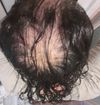
User discusses hair loss and treatments, including Minoxidil, finasteride, and RU58841. Concealers like dermamatch help improve appearance of hair thickness.
Pyrilutamide (KX-826) is discussed as an anti-androgen treatment for hair loss, with mixed user experiences. Some users report no results, while others find it mildly effective.
The user uses 1mg fin every other day, a topical solution of 5% min + 0.1% fin nightly, and seeks advice on oils for hair growth. Replies suggest oils are ineffective and recommend sticking with fin and min treatments.
A user shared a beard growth protocol involving hydration toner, azelaic acid, tretinoin, moisturizer, 5% topical minoxidil, and SPF 30+ sunscreen. The regimen spans a year to a year and a half, with specific application schedules for different phases.
The user "AcanthocephalaNo7632" shared their progress with hair loss, mentioning the use of minoxidil and finasteride. Some users questioned the authenticity of the progress pictures.
The conversation is about a homemade hair loss treatment serum containing Procyanidin B2, Aloe Vera Gel, Coconut Oil, Castor Oil, and Rosemary Essential Oil. The main concern is finding an affordable source of Procyanidin B2 and ensuring its stability in the serum at room temperature.
The conversation discusses hair shedding experienced by users undergoing hair loss treatments, including finasteride, minoxidil, and microneedling. Many users report experiencing significant shedding around the 8-12 month mark, which is considered a normal part of the hair regrowth process, with expectations of stronger regrowth following the shedding phase.
Adding an LLLT laser cap to a routine of finasteride, minoxidil, and ketoconazole shampoo significantly reduced hair shedding from 200+ hairs a day to around 80, improving scalp health. The user attributes the laser cap as the key factor in stabilizing hair loss after two years of using other treatments.
Microneedling, ketoconazole, and tretinoin are discussed as hair loss treatments, with tretinoin favored for its long-term benefits and potential to turn minoxidil non-responders into responders. Microneedling is recommended for initial use, ketoconazole for dandruff, and tretinoin for continuous use due to its skin benefits.
The conversation discusses hair loss caused by Trenbolone use, with suggestions to stop using it and consider treatments like Minoxidil, Dutasteride, and RU58841. It highlights that Minoxidil may temporarily regrow hair, but stopping Trenbolone is crucial to prevent further hair loss.
A 22-year-old male with high estrogen levels is considering finasteride for hair loss but is concerned about potential side effects due to his hormone levels and family history of diabetes. Users suggest consulting a doctor, possibly an endocrinologist, and considering lifestyle changes like diet and exercise to address visceral fat and insulin resistance before starting treatment.
Topical minoxidil is effective for hair loss, while topical finasteride caused side effects like erectile dysfunction. Mesotherapy is considered stronger than home treatments like microneedling with topical nutrients.
The user experienced significant hair shedding after using a dermapen at 1.5mm weekly, which they later realized was too much. They are now using a dermapen at 0.75mm weekly and are also using topical minoxidil twice daily and finasteride 1.25mg daily.
The user experienced initial hair improvement with dutasteride and minoxidil but saw worsening at seven months, likely due to shedding. The consensus is to continue treatment, as shedding is common and improvement may take up to a year.
People shared their experiences with coffee consumption and hair loss, with mixed results. Some noticed more hair loss with increased caffeine, while others saw no effect or even hair regrowth, often using treatments like finasteride and minoxidil.
Dutasteride is more effective than finasteride for hair loss, with optimal dosing at 0.5mg once or twice a week to minimize side effects. Topical application may further reduce side effects while effectively lowering scalp DHT.
The user is considering stopping topical minoxidil due to inconvenience and side effects while continuing finasteride for hair loss. They seek advice on the experience of stopping minoxidil and potential alternatives.
The conversation discusses experimenting with microneedling for hair loss, with OP considering using a 3mm derma-stamp. Other users advise against going beyond 1.5mm to avoid damage.
PP405 is likely a scam, with concerns about its legitimacy and safety, as it may cause unintended tissue growth. Users suggest sticking to known treatments like finasteride and minoxidil.
Switching from topical to oral minoxidil may lead to better results for some users, with oral minoxidil generally being more effective due to higher absorption. However, it can also cause side effects like hypertrichosis and blood pressure issues, and individual responses may vary.
Hypoxia may enhance hair growth by stimulating stem cells, but it could also risk fibrosis. Some users humorously discuss extreme methods like choking while using minoxidil, highlighting the need for new treatments.
The conversation humorously critiques hair loss treatments and the subreddit r/tressless. It mentions Minoxidil and finasteride as common treatments, with users reacting to a satirical roast by ChatGPT.
A user shared their hair regrowth journey from age 21 to 25 using finasteride and a carnivore diet. Other users debated the effectiveness of diet changes versus genetic factors in hair loss.
A user experienced increased hair density loss after 4 months on dutasteride combined with finasteride. They are also using topical dutasteride with azelaic acid and alfatradiol but cannot tolerate antiandrogens like RU58841 due to headaches.
A user shared their experience with hair shedding after switching from finasteride to dutasteride. They saw initial hair thickening, experienced shedding after 9 months, but the shedding has now stopped, and their hair is thick again.
A user shared their experience with hair recovery after a second shedding phase while using Finasteride. They advise staying consistent with treatment, as it can take 1-2 years or more to see results, and also mention using Ketoconazole but are unsure of its effectiveness.
The user shared progress pictures showing hair regrowth after using minoxidil, finasteride, and dermarolling, and is currently trying oral minoxidil, dutasteride, and a finasteride/minoxidil topical. Another user commented on the significant improvement, and the original poster emphasized the importance of consistency despite shedding phases.
A Spanish dermatologist suggests sulforaphane for androgenetic alopecia (AGA) due to its potential to remove DHT metabolites, though high dosages are needed. A topical formulation might be possible.