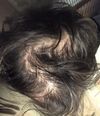
OP believes RU58841 affected their thyroid, causing hypothyroidism and impacting minoxidil's effectiveness. They plan to start thyroid medication to improve hair regrowth.
A 19-year-old experiencing hair loss tried finasteride but stopped due to potential side effects and is considering dutasteride. They also used topical minoxidil intermittently but didn't see lasting effects.
The user changed their hair loss treatment in October/November, experienced increased shedding, and now sees no new hair growth, with a worsening condition and a possible bald spot. They also have severe seborrheic dermatitis, which may be affecting their scalp and hair loss.
A 28-year-old male experiencing diffuse thinning and miniaturization around the ears and back has tried finasteride, dutasteride, and both topical and oral minoxidil without success. He is seeking advice on identifying the type of hair loss and next steps since current treatments are ineffective.
A user with diffuse hair loss after taking accutane, which might have triggered genetic predisposition to AGA; their experience taking finasteride and experiencing side effects of increased oil production, increased sex drive, worsening hair texture; they are considering zinc supplementation with finasteride or other treatments such as alfatradiol or spironolactone.
The conversation discusses severe hair loss, possibly due to telogen effluvium or male pattern baldness, lasting over three years. Suggested treatments include minoxidil, finasteride, and dermarolling, with a recommendation to consult a dermatologist.
User noticed tiny dots on their head after using 0.5% dutasteride and 8% minoxidil, which others identified as developing hair follicles. Encouragement was given to continue the treatment.
The conversation is about a 19-year-old female experiencing hair loss, potentially due to deficiencies in iron, ferritin, and vitamin D. She is considering iron and vitamin D supplementation and exploring dietary changes, while also planning to consult a dermatologist when possible.
The user is experiencing severe hair thinning and is using multiple treatments including topical finasteride, minoxidil, tretinoin, latanoprost, oral minoxidil, dutasteride, saw palmetto, and derma wounding. They are considering adding RU58841 and are contemplating a hair transplant and exosomes due to frustration with current results.
An 18-year-old male with hair loss is considering starting finasteride but is concerned about potential side effects like gynecomastia due to his prolactin levels. He seeks guidance on whether his bloodwork indicates it's safe to begin treatment.
The conversation is about disappointment with hair loss progress despite using treatments like finasteride, minoxidil, nizoral, tretinoin, and a dermaroller. Direct sunlight revealed more hair loss than expected, prompting continued treatment and hope for improvement.
TGF-B affects hair growth, both causing stem cell division and death depending on amounts. Amplifica's treatment injects Scube3 to increase TGF-B for hair growth.
The user experienced initial regrowth with finasteride and minoxidil but is now facing increased hair thinning, possibly due to a second shedding phase. They are considering increasing finasteride dosage or adding dutasteride, despite availability issues, and have started microneedling.
The user experienced stable hairline but diffuse thinning after switching from oral finasteride to a topical solution of minoxidil and finasteride. They are concerned about the effectiveness of the topical treatment and are considering other options due to a recent decline in hair density.
Lichen Planopilaris (LPP) is an autoimmune condition causing permanent hair loss and fibrosis, often misdiagnosed. Treatments include pioglitazone, topical corticosteroids, anti-inflammatory medication, and Jak inhibitors.
A 41-year-old with over 10 years of hair loss showed progress after 2 months using topical finasteride and minoxidil, dermaroller, DHT blocker shampoo, laser cap, and vitamins B12, Biotin, D3. Commenters are impressed with the results and suggest continued treatment and focus on health for further improvement.
A user diagnosed with Crohn's disease is concerned it might contribute to balding. They have been using keto shampoo, finasteride, and oral minoxidil, which improved their hair but not significantly.
A 25-year-old woman with androgenic alopecia is experiencing hair dryness and damage after using topical minoxidil and Nizoral. She is advised to reduce washing frequency, use a bond builder like K18, apply a silicone-based serum, and consider using a shower filter and different oils like argan oil for better hair health.
The conversation is about the struggles of dealing with diffuse thinning at a young age and the lack of significant improvement after using treatments like finasteride and minoxidil. Some suggest additional methods like derma rolling, microneedling, and hair fibers, while others share their own experiences and encourage persistence with treatment.
A user shared their hair regrowth progress using oral finasteride, biotin, topical minoxidil, and DS thickening shampoo over five months, reporting significant improvements in hair texture and growth. They experienced minor side effects like a slight headache from switching minoxidil forms but noted no issues with finasteride.
A 31-year-old man who previously had good results with minoxidil, finasteride, and nizoral for hair loss is now experiencing unusual hair loss and side effects from finasteride. Respondents suggest it might be severe retrograde alopecia and recommend exploring other treatment options due to his inability to tolerate finasteride.
A user shared their experience with hair loss treatments, including finasteride, minoxidil, and RU58841, which improved their hair from a diffuse NW3 to a solid NW2 - 2.5. They noticed significant changes in how people treated them after regrowing their hair, suggesting that attractiveness can greatly impact social interactions and opportunities.
Fluridil degrades androgen receptors, which are prevalent in the scalp and other tissues. People with androgenetic alopecia (AGA) may have higher expression of these receptors and 5AR activity in affected scalp areas.
A user is concerned about hair shedding despite noticeable regrowth after 7 months of using finasteride. The dermatologist confirmed positive results, but the user remains skeptical and confused.
A 31-year-old has been using finasteride, dutasteride, and oral minoxidil for hair loss. They noticed a sudden triangular thinning patch on their scalp and are seeking advice, questioning if it could be medication-related.
The user experienced hair thinning and used microneedling, DHT blocking shampoo, and Biotin DHT blocking oil to address it, avoiding finasteride and minoxidil unless necessary later. They reported mild improvement but received mixed feedback, with some suggesting other conditions or treatments like ciclopirox shampoo.
The user experienced side effects from daily 1 mg Finasteride and switched to 0.5 mg every other day, supplemented with creatine, tongkat ali, tribulus terrestris, vitamin D3, bromantane, l-tyrosine, and caffeine. They also use weekly 1.5 mm microneedling and daily 50 mg RU58841, except on microneedling days, to manage hair loss.
The user is using finasteride 1.25mg three times a week for hair regrowth and reports no significant side effects except watery semen initially. They also use a local caffeine shampoo and are considering haircuts to improve appearance.
The user has been using a regimen including finasteride, minoxidil, various oils, and supplements for hair regrowth over 9–10 months. They observed fine hairs returning and a change in scalp texture after adding cinnamon oil, questioning if this change is a positive sign.