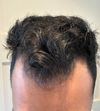
User with shoulder-length hair using Finasteride for 5 weeks notices less long hairloss but more short hairloss. They also use keto for sebderm and vitamin D3.
The post discusses various hairloss treatments including minoxidil, finasteride, microneedling, vitamins, lifestyle changes, and reducing prolactin levels. The user reports positive results after 4 months of treatment, including increased hair growth.
The person experienced worsening hairloss despite using minoxidil, finasteride, and dutasteride. They are considering increasing dutasteride dosage, trying microneedling, RU58841, and oral minoxidil, and are advised to consult a trichologist.
The conversation discusses hairloss and the potential impact of diet and lifestyle changes, particularly increased protein intake, on hair health. The original poster shared their experience of improved hair appearance after weight loss and dietary changes, despite skepticism from others about lighting differences in photos and the effectiveness of diet alone without finasteride or minoxidil.
User experienced hair growth with finasteride and minoxidil, but after using tretinoin, faced aggressive thinning and hairloss. They plan to stop tretinoin for two months to see if the problem improves.
A 26-year-old is starting a hairloss treatment using 1mg oral finasteride daily, 5% topical minoxidil foam twice daily, 2% ketoconazole shampoo weekly, and microneedling once a week. They noticed worsening hairloss over the past year and are seeking advice.
The user is trying alternative hairloss treatments like caffeine shampoo and dermarolling before considering minoxidil or other advanced treatments, and has noticed an increase in vellus hairs and some strong terminal hairs after two months of daily caffeine shampoo use. They plan to continue the treatment and document progress.
Hairloss treatments like finasteride, minoxidil, dutasteride, and RU58841. Users suggest hair fibers for temporary coverage and consider hair transplants for permanent solutions.
The user has been experiencing sudden and aggressive hair shedding despite using oral dutasteride and topical minoxidil for six years, and recently added topical finasteride without improvement. Possible causes discussed include stress-related hairloss, dietary changes, or high DHT sensitivity, with suggestions to consult a doctor and consider adjusting treatments.
A 26 year old female with PCOS who has been dealing with hairloss for several years, despite managing her hormones and taking vitamins. She has tried various treatments such as Nizoral, Minoxidil, Pyrithione zinc, coal tar and salicylic acid to no avail. The user is looking for advice on what else they can do to stop their hairloss.
A 24-year-old experiencing diffuse thinning is using finasteride and minoxidil, noticing some hair thickening and new hair growth. Users suggest continuing the routine, as new hairs may become stronger in a few months.
A 27-year-old man is fighting hairloss using oral finasteride, oral and topical minoxidil, nizoral shampoo, microneedling, argan oil with rosemary extract, and plans to add RU58841 and The Ordinary hair peptide serum. He seeks advice on combining these treatments and will document his progress.
A 19-year-old experiencing hairloss since 17 uses finasteride, minoxidil, dermaroller, ketoconazole shampoo, and oral castor oil, but sees little improvement. They seek advice on adding an anti-androgen, considering alfatradiol.
A 50-year-old male has been using 0.5mg oral finasteride, 5% topical minoxidil, and weekly microneedling to combat hairloss, seeing progress with new hair growth. He plans to continue this regimen and evaluate results after 12 months.
The conversation discusses hairloss treatments, specifically finasteride, minoxidil, ketoconazole shampoo, and microneedling, with users experiencing initial success followed by increased shedding and regression. Many users suggest patience, as hair cycles can take years, and some attribute changes to seasonal shedding.
A user shared progress pictures showing hair regrowth after using minoxidil and finasteride for several months. Despite skepticism, the user reports noticeable improvement and aims to motivate others with hairloss.
A user shared their daily hairloss treatment routine, which includes 1mg of oral finasteride, 1mg of oral minoxidil, 1ml of castor oil, biotin, collagen, multivitamins, zinc, magnesium, liver supplements, RU58841 every night, and ketoconazole shampoo twice a week. They also mentioned a healthy lifestyle and a past unsuccessful hair transplant, but have experienced hair regrowth and thickening since starting their current regimen.
An 18-year-old male using minoxidil and finasteride is experiencing increased hairloss, possibly due to a shedding phase from finasteride. He also takes zinc, magnesium, calcium, and vitamin C, and is concerned about hairloss from his temples.
A 31-year-old with diffuse thinning experienced significant hair regrowth after nearly 5 months on Finasteride 0.75mg MWF. Despite initial side effects like testicle pain and reduced sex drive, these issues resolved, and positive effects included reduced nighttime urination and scalp itching.
A rigorous and extensive regimen for hair regrowth, including oral and topical minoxidil, finasteride, dutasteride, RU58841, various oils, supplements, and lifestyle changes, is discussed with skepticism and humor. The consensus is that such an extreme routine is impractical and potentially harmful, with no guaranteed results.
The user shared their journey from hairloss at 17 to a full head of hair using topical finasteride, Saw Palmetto, a natural serum with stem cells and rosemary oil, dermarolling, and a specialized shampoo. They experienced side effects with Dutasteride and found success with their current routine without side effects.
An 18-year-old shares their successful hair regrowth journey using finasteride 1mg daily, topical minoxidil twice a day (mixed with tretinoin 0.025% at night), ketoconazole shampoo 2-3 times a week, and occasional dermarolling. They report no side effects and emphasize the importance of consistency and early intervention.
A user on finasteride, minoxidil, dermastamp, and Nizoral is seeing baby hairs and asks if it's regrowth. Another user confirms it is regrowth and encourages them to continue.
The user is concerned about regrowing a plucked widow's peak and is considering using Minoxidil. They have been using the Growplex pack for a month without noticeable results.
The user experienced chronic telogen effluvium and mild male pattern baldness, treated with finasteride, oral minoxidil, and later switched to dutasteride, which stopped excessive hair shedding. Other treatments like low-level laser therapy, hairloss shampoos (except ketoconazole), and supplements were ineffective.
A 33-year-old male with a receding hairline is advised to start with finasteride to block DHT and consider minoxidil for promoting hair growth. Other treatments like copper peptides and serums are deemed less effective, and ketoconazole shampoo is suggested for scalp health.
The conversation discusses hairloss treatments, with users sharing experiences and opinions on finasteride, minoxidil, and other methods. Many recommend finasteride for its effectiveness, while others express concerns about side effects and emphasize the importance of acting quickly to address hairloss.
Thin, short hairs often appear in areas of hairloss but may not grow fully despite treatments like finasteride. Some users consider additional treatments like microneedling or hair transplants.
User asks if finasteride alone can combat hairloss and considers adding minoxidil later. Replies suggest aggressive approach with multiple treatments or using finasteride alone, depending on personal preference.