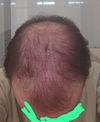
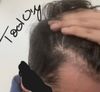
A 17-year-old is addressing hair loss with finasteride, topical minoxidil, and microneedling. They are considering adding GHK-Cu to their regimen, but others advise caution with finasteride due to age.
The user shared their personal experience with hair loss, hormone imbalances, and treatments including testosterone boosters, natural estrogen blockers, and DHEA. They suggest that low-dose finasteride and natural hormone therapy could reduce hair loss with fewer side effects.
A potential treatment for alopecia involving a protein that calms hair follicles has shown promise in rats, but skepticism remains about its applicability to humans. Many users express doubt about the timeline for effective hair loss treatments, comparing it to past unfulfilled promises.
A 34-year-old woman is experiencing diffuse hair loss and irregular periods, possibly due to long-term spironolactone use. She is considering minoxidil and finasteride for treatment and seeking medical advice for androgenic alopecia and hormonal imbalances.
A 19-year-old is experiencing early hair loss, possibly due to oily skin, stress, poor diet, and lack of sleep. They have tried ketoconazole shampoo without success and plan to visit a dermatologist for further advice.
Combining therapies like scyllo-inositol, alpha-ketoglutarate, and autophagy-inducing supplements may enhance hair growth and prevent hair loss. Reporting individual results can accelerate progress in hair loss treatments.
The user experienced significant hair regrowth after using finasteride, minoxidil, and derma stamping, despite an initial heavy shedding phase. They also take omega-3, zinc, biotin, and folic acid daily, and report improved confidence and hair strength.
Hair loss can stabilize at a certain level and may not be permanent, especially if hormonal. The user experienced hair regrowth after using fish oil and derma rolling, but is hesitant to use Minoxidil or finasteride.
A user with long-term hair loss has been using topical minoxidil, finasteride, RU58841, ketoconazole, and dermastamping for 8 months. They are unsure if the new hairs are miniaturized or vellus.
Topical roflumilast is effective for reducing inflammation in various scalp conditions like seborrheic dermatitis, psoriasis, and eczema, but not proven to stop scarring alopecia. Alternatives like apremilast and Vtama are also discussed for their anti-inflammatory benefits.
The user experienced hair regrowth after 4 months of using topical finasteride and minoxidil, 2 weeks of dermatolling, and possibly tretinoin. They also noted improved mental health and reduced weight training.
A 28-year-old male shares his 12-step hair regrowth routine, including finasteride, minoxidil, RU58841, LLLT, dermarolling, various shampoos, supplements, and a healthy diet. He seeks advice on microneedling frequency and mentions experiencing lowered libido and occasional scalp inflammation.
The user is using a hair regrowth treatment plan that includes finasteride, microneedling, minoxidil foam, ketoconazole shampoo, and piroctone olamine shampoo. They are seeking advice on the effectiveness of their regimen and dosage of finasteride, and are curious about others' experiences with piroctone olamine.
An 18-year-old male is experiencing hair loss and is using topical minoxidil and oral finasteride. He is concerned about continued shedding, mild sexual side effects, and whether to adjust his finasteride dosage.
The user is experiencing hair shedding while using finasteride and topical minoxidil with tretinoin, keto shampoo, and dermarolling. They hope the shedding indicates future hair regrowth.
The user discusses their experience with hair loss despite taking estrogen and cyproterone, and estimates needing around 3000 grafts for a feminine hairline. They are considering getting the procedure done in Turkey due to high European costs.
The conversation discusses hair thinning potentially linked to gut health issues and suggests biotin as a possible treatment. It also mentions that hair thinning could be due to male pattern baldness (MPB).
The user started balding at 16/17 and tried various treatments including minoxidil, finasteride, and dutasteride with little success. They recently started applying diclofenac gel to their bald areas and noticed some hair regrowth, attributing this to diclofenac's ability to lower prolactin levels and its anti-inflammatory effects.
The user is using RU58841 for hair regrowth on the temples and is considering adding minoxidil. They are questioning the potential for vellus hairs to develop into fuller hair and the possibility of reactivating dormant follicles.
Blocking DHT is not a complete solution for hair loss; instead, altering the scalp's response to DHT may be more effective. Topical finasteride and minoxidil are current treatments, but future approaches may involve bioengineering, gene therapy, and inflammation control.
The user has been using oral finasteride for 15 months and oral minoxidil for 6 months, and developed alopecia areata, for which a dermatologist prescribed calcipotriol/betamethasone. The treatment is helping, but the user is experiencing another shedding phase and is concerned about the effects of the steroid cream and the cause of hair loss.
A user shared progress pictures after nearly four months on finasteride, reporting halted shedding and improved hair density. They incorporated a scalp scrubber and Nizoral into their routine, with others sharing similar experiences and encouragement.
The conversation discusses a hair loss protocol and compares it to using finasteride and minoxidil. It suggests that while the protocol includes some good advice, it may not surpass the effectiveness of established treatments like finasteride and minoxidil.
Hair regeneration and follicle cloning are considered far from being feasible, with current treatments like finasteride, minoxidil, and hair transplants expected to remain dominant for the next 15-20 years. Some are hopeful that AI advancements might accelerate progress, but many remain skeptical about significant breakthroughs in the near future.
The user experienced hair loss due to a crash diet and later developed scarring hair loss. They are now on finasteride, oral minoxidil, LDN, Zyrtec, and Oztela to reduce scalp inflammation and promote hair regrowth.
Parasites in the gut may contribute to hair loss by depleting essential nutrients and disrupting hormone balance. An imbalance of hormones, not just DHT, could be a factor in androgenic alopecia.
The post discusses various hair loss treatments including minoxidil, finasteride, microneedling, vitamins, lifestyle changes, and reducing prolactin levels. The user reports positive results after 4 months of treatment, including increased hair growth.