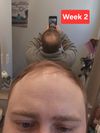
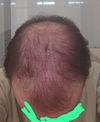
User shares 6.5 months of progress using topical finasteride 0.1% and minoxidil 10%, along with lasercomb, dermaroller, Nizoral, scalp massager, and biotin. They seek feedback on their results.
The user has been using a topical solution of minoxidil and finasteride for one month, experiencing some hair shedding. They also use a multivitamin, derma rolling, and a shampoo with ketoconazole and salicylic acid, seeking advice on additional treatments.
The user underwent a biopsy two years ago and was diagnosed with keratosis pilaris, leading to hair issues. They tried treatments including Minoxidil, betamethasone, lymecycline, topical Accutane, and dutasteride, as well as diet changes, without improvement in hair thickness or skin dryness.
The user reports using topical minoxidil 6% and finasteride 0.05% once daily, along with microneedling, vitamins, biotin, and nizoral shampoo. They recently increased minoxidil and finasteride to twice daily and feel their hair is thicker but are unsure about regrowth.
A user on finasteride, minoxidil, dermastamp, and Nizoral is seeing baby hairs and asks if it's regrowth. Another user confirms it is regrowth and encourages them to continue.
A user shared their daily hair loss treatment routine, which includes 1mg of oral finasteride, 1mg of oral minoxidil, 1ml of castor oil, biotin, collagen, multivitamins, zinc, magnesium, liver supplements, RU58841 every night, and ketoconazole shampoo twice a week. They also mentioned a healthy lifestyle and a past unsuccessful hair transplant, but have experienced hair regrowth and thickening since starting their current regimen.
The user experienced hair regrowth using finasteride, minoxidil, biotin, iron, microneedling, and caffeine shampoo over four months. They plan to continue treatment for fuller results by month 6 or 7.
The user is frustrated with no hair growth despite using Finasteride, Minoxidil, Ketoconazole, derma rolling, head massages, Biotin, collagen supplements, multivitamins, and drinking a gallon of water daily. Another user mentioned that the original poster had previously reported significant progress.
A user's hair regrowth journey using biotin and minoxidil after initial treatments with Nizoral shampoo and Ketoconazole serum didn't work. The comments suggest the hair loss might not be male pattern baldness (MPB), but possibly Alopecia Areata, an autoimmune disorder, and recommend getting a second opinion and considering other treatments like corticosteroids.
The user is using a hair regrowth treatment plan that includes finasteride, microneedling, minoxidil foam, ketoconazole shampoo, and piroctone olamine shampoo. They are seeking advice on the effectiveness of their regimen and dosage of finasteride, and are curious about others' experiences with piroctone olamine.
User has been using 1.25 mg finasteride and 2.5 mg minoxidil daily for 5 months, along with 5000 mcg biotin for 1.5 months. They noticed peach fuzz growth around month 4 and are seeking confirmation if this indicates hair regrowth.
The user had a hair transplant in 2020 and later learned they needed to continue medication for hair loss. They shared a 5-month timelapse video of their hair regrowth using topical finasteride/minoxidil, microneedling every 3 weeks, and ketoconazole.
The post discusses a 21-year-old male's significant hair regrowth after experiencing shedding periods during an 11-month treatment with finasteride, minoxidil, ketoconazole, biotin, and dermaroller. The conversation encourages persistence with the treatment despite shedding phases, as hair tends to grow back thicker and longer.
User shared hair growth progress since January using treatments like minoxidil, nizoral shampoo, rosemary oil, biotin oil, and derma roller. Others suggested solutions for minoxidil side effects and recommended adding a multivitamin.
PP405 is a new hair loss treatment in phase 2 trials that may promote hair growth by increasing lactate production and activating hair follicle stem cells. It could potentially replace hormone-disrupting treatments like Minoxidil and finasteride.
The user is experiencing hair regrowth using oral minoxidil, finasteride, dermastamping, and ketoconazole shampoo. Suggestions include adding pyrilutamide or considering dutasteride instead of finasteride.
A 29-year-old man has seen hair growth progress over 5 months using daily 1mg finasteride and topical minoxidil, along with ketoconazole shampoo and dermarolling three times a week. After trying various unsuccessful treatments, he's satisfied with these results.
The conversation is about a user's hair regrowth progress using topical Minoxidil 5%, a derma roller, Foligain Trioxidil shampoo, and various supplements like zinc, selenium, magnesium, B6, B7, saw palmetto, and D3 + K2. The user is seeking finasteride but faces prescription challenges in Italy.
Hair follicle regenerative therapy is being developed, with clinical trials planned in Japan, potentially allowing for hair cloning and eliminating the need for treatments like finasteride. If successful, the treatment could be available in Japan by 2025, but widespread access and affordability may take longer.
The conversation discusses a person's experience with hair loss treatments, including 7 months of using finasteride and minoxidil, switching to oral minoxidil, using ketoconazole shampoo, and microneedling. They notice hair regrowth more with flash photography than in regular light.
The user "dsx460" shared their progress pictures of hair regrowth using a combination of topical finasteride, minoxidil, microneedling, and a keto diet. They are happy with the progress and hope for further improvement.
The conversation discusses using a TCA 35% chemical peel on the scalp to potentially improve hair growth by addressing fibrosis and enhancing the effectiveness of topical treatments. The user also mentions trying microneedling and other methods like topical metformin and dutasteride for hair regrowth.
A 21-year-old is using Dualgen-5R (minoxidil and tretinoin) and weekly dermarolling to address hair loss, noticing some progress after three months. They plan to add an anti-androgen like RU58841 or Kx826 for better long-term results.
The conversation discusses hair regrowth progress from November 2023 to April 2024 using 1mg finasteride, 5% minoxidil, and weekly dermarolling. The consensus is that there is some improvement and increased density, with expectations of further progress.
PP405 is a promising molecule that may reactivate dormant hair follicles, potentially offering a new treatment for hair loss. It is in phase 2 trials, with possible availability between 2027 and 2030.
A 29-year-old male experienced significant hair regrowth over 8 months using a protocol of oral Minoxidil, Dutasteride, Pyrithione Zinc Shampoo, and peptides GHK-CU, BPC-157, and TB-500. The treatment led to improved scalp coverage, reduced hair loss, and thicker hair, although results may vary for others.
PP405 is the most promising future treatment for hair loss, aiming to reactivate dormant hair follicles. Clascoterone 5% is the most promising near-term drug, while current strategies include using finasteride or dutasteride to stabilize hair loss and minoxidil to stimulate growth.
The user experiences an itchy scalp despite using finasteride and ketoconazole shampoo for hair loss. Suggestions include trying different shampoos, switching to dutasteride, and using topical treatments for inflammation.
DHT promotes beard growth but causes scalp hair loss due to inflammation and fibrosis. Treatments like finasteride and minoxidil help with hormonal signals and blood flow but don't address underlying inflammation.
The user experienced severe side effects from finasteride, including hormonal imbalances and cognitive issues, leading to a recommendation to stop its use. They plan to follow up with tests to rule out a pituitary tumor and are considering topical treatments as alternatives.