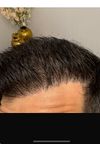
OP is experiencing significant hair loss despite GFC and PRP treatments and has abnormal lab results. They are advised to consult a hair-focused dermatologist for further evaluation.
The conversation discusses the difference between the commercially available Pyrilutamide and the version in clinical trials. It also mentions treatments like Minoxidil, finasteride, and RU58841 for hair loss.
The user reported progress in hair loss treatment using oral finasteride, keto 2% shampoo, and vitamin D. They experienced reduced hair fall, fewer scalp issues, and hope for improved hair density.
A user was prescribed betamethasone dipropionate spray for a receding hairline, which caused skin peeling and depigmentation. They stopped using it and are considering alternatives like BPC-157/TB-500 for healing.
Mixing RU58841 with cetosomal minoxidil is discussed due to scalp irritation from ethanol PG vehicles. A mixture of the two turned bright pink when left to dry.
The user is experiencing hair shedding while using finasteride and topical minoxidil with tretinoin, keto shampoo, and dermarolling. They hope the shedding indicates future hair regrowth.
Low-level laser therapy (LLLT) devices may help thicken existing hair but are not effective for regrowing hair on bald areas. Users suggest sticking with finasteride, minoxidil, and dermapenning, as LLLT devices like Capillus are expensive and results are mixed.
The user reported slight improvement in hairline using 1% Clascoterone cream over three months but found it too costly to continue. They expressed interest in trying a 5% concentration if it becomes available at a reasonable price.
A 23-year-old male uses minoxidil and finasteride daily for androgenetic alopecia and is concerned about dandruff, which a dermatologist addressed with two serums. He uses ketoconazole shampoo twice a week to manage scalp issues.
Hair loss therapies focusing on hair follicle sugar metabolism and aldose reductase. Potential treatments include magnesium supplements, avoiding high glycemic index foods, and antioxidants.
The conversation discusses a hair loss treatment involving oral minoxidil, topical finasteride, and a custom topical formulation with minoxidil, cetirizine, finasteride, progesterone, and hydrocortisone. The user seeks advice on the effectiveness of these ingredients for diffuse thinning.
Transplanted hairs are thinning after switching from topical to oral minoxidil, with increased shedding and miniaturization. The user is considering reintroducing topical minoxidil and has started using ketoconazole shampoo.
The conversation discusses using Bimatoprost for eyebrow regrowth and its potential use on the hairline, with concerns about cost and side effects. Alternatives like topical Minoxidil are mentioned, but the user is worried about aging and acne.
Hair care products for those using minox, keto, fin, and microneedling are discussed. Nizoral 2%, Revita shampoo, Nioxin system 2, Aveda thickening tonic, Hanz De Fuko Claymation, and Morrocanoil Texture Clay are mentioned as options.
A 45-year-old male successfully slowed hair loss using Nizoral and low-level laser therapy (LLLT) but cannot use Minoxidil, finasteride, or dutasteride for medical reasons. He seeks suggestions for hair regrowth options.
The user is seeking advice on improving their hair loss treatment regimen, considering changes to their topical solution, and is curious about others' daily routines and recommendations for medications and supplements. They are contemplating switching Tretinoin for Tazarotene, Latanoprost for Bimatoprost, and possibly adding Alfatradiol, Topical Melatonin, or a topical androgen receptor antagonist.
A 31-year-old uses Minoxidil, RU58841, Reviv Hair Serum, and Ketoconazole shampoo for hair loss but avoids finasteride. They plan to reintroduce red light therapy (LLLT) and Eucapil despite previous shedding concerns.
User "mo_movic" shared 4-month progress using finasteride, minoxidil, ketoconazole, and dermaroller for hair loss. Others congratulated and discussed their own experiences, with "mo_movic" reducing finasteride dose and using ketoconazole twice a week.
The DHT itch is linked to hair loss and persists despite finasteride use; switching to dutasteride helped alleviate the itch and promoted regrowth. Some users suggest seborrheic dermatitis as a cause and recommend treatments like medicated shampoos, vitamin D, and minoxidil.
The conversation discusses the delay in bringing FAK inhibitors and Stanford's hydrogel to market for hair transplants, with a preference for FAK inhibitors over Verteporfin due to their superior potential in preventing scarring. The user expresses frustration over the slow progress and hopes for faster development by companies like FAKnostics.
After 2 months of using minoxidil and finasteride twice daily, along with ketoconazole shampoo 2-3 times a week, progress in hair condition is shown. The user shares pictures to document the changes.
Current treatments like finasteride, minoxidil, and derma rolling are considered the best for hair loss, while new treatments such as GT20029, PP405, and others are in various trial phases with results expected in the coming years. There is cautious optimism about the affordability and effectiveness of these upcoming treatments.
The user has chronic itchy scalp and dandruff, unresponsive to ketoconazole, selenium sulfide, zinc pyrithione, coal tar, and salicylic acid. Topical steroids were also ineffective for long-term use.
People discussed solutions for scalp itching related to hair loss, with treatments including finasteride, dutasteride, ketoconazole shampoo, and Alpecin Hybrid shampoo. Some users found relief by adjusting dosages of finasteride or switching to dutasteride, while others recommended specific shampoos or prescription options like olux foam.
Using a silicone shampoo brush with ketoconazole shampoo may increase hair shedding if used roughly. Hair that sheds during shampooing would have fallen out eventually.
The user used finasteride but stopped due to side effects, then used topical minoxidil for 13 months, and later added KX826/pyrilutamide for 8 months. They experienced shedding after starting pyrilutamide and use minoxidil and KX826 once daily.
A user in their 40s is using finasteride every other day and ketoconazole shampoo for hair loss, considering adding topical minoxidil for further regrowth, including on eyebrows. They are advised to continue with the current regimen for a few more months before reassessing and to be cautious with minoxidil due to its application challenges and potential risks to pets.
A 29-year-old male experiencing hair loss due to TRT is using minoxidil and dermarolling but is hesitant to use finasteride or dutasteride due to potential side effects. He is considering low level laser therapy (LLLT), PRP, ketoconazole shampoo, and oral minoxidil as additional treatments. A reply suggests that without a DHT blocker like finasteride or dutasteride, other treatments may not be effective long-term.
The user shared progress on hair regrowth using 5% topical minoxidil, 2% keto shampoo, oral finasteride, and recently switched to daily dutasteride. They reported positive results without significant side effects and are hopeful for further improvement.