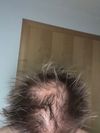
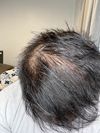
The user is experiencing severe hair shedding after using RU58841, stemoxydine, and minoxidil, and has stopped using finasteride due to side effects. They hope the shedding is temporary and will lead to regrowth.
The user experienced increased hair loss and scalp itchiness despite using finasteride and plans to resume minoxidil and start microneedling. They are considering using clay, Aveda thickening tonic, and a beanie to manage the appearance of thinning hair.
A 25-year-old is experiencing chronic telogen effluvium (TE) and androgenetic alopecia (AGA) after surgery, using finasteride, red light therapy, and supplements, and considering oral minoxidil despite heart concerns. They are unsure whether to start minoxidil before or after an upcoming surgery, which may trigger another hair shed.
The user is seeking advice on maximizing hair growth while using oral finasteride, topical minoxidil, Nizoral, and microneedling, and is considering adding a laser diode cap, topical finasteride, retinol, and caffeine. Suggestions include using tretinoin with minoxidil for better absorption, switching to dutasteride, and considering RU58841 or pyrilutamide.
A 25-year-old is experiencing mild hair loss and is using a regimen including scalp brushing, dermarolling, topical minoxidil, caffeine, melatonin, and a DHT-blocking shampoo. Another person shares their struggle with hair loss due to drug use and plans to start finasteride while trying to quit drugs.
A 26-year-old reported significant hair regrowth using finasteride daily for six months and topical minoxidil for four months, with no side effects. Others shared mixed experiences, mentioning additional methods like dermarollers and tretinoin.
Balding scalps have more androgen receptors, leading to increased TGF-beta, which causes blood vessel loss and hair follicle miniaturization. Blocking androgen signaling and TGF-beta may help prevent hair loss.
The user has been using finasteride for 4 months with positive results, including thicker and darker hair. They are seeking advice on maximizing hair growth without minoxidil, using a routine that includes finasteride, rosemary oil, argan oil, topical melatonin, specialized shampoos, and vitamins.
A 19-year-old male experienced significant hair loss, initially thought to be male pattern baldness (MPB), and used minoxidil and briefly finasteride. After realizing the issue was telogen effluvium (TE), he improved his diet and supplemented with vitamins, which led to substantial hair regrowth.
The user is experiencing worsening hair loss despite using finasteride, minoxidil, microneedling, and recently adding retinol cream. They are unsure if it's a bad shed or if the treatments have plateaued.
The user is using topical finasteride, minoxidil, nizoral shampoo, and microneedling for hair regrowth but hasn't seen results after 2-3 weeks. They added tretinoin to their routine and are advised to wait a few months for potential changes.
The user experienced regrowth and stabilization in hair density using finasteride, minoxidil, a derma roller, and an LLLT helmet, but noticed a recent decline in hair quality. They only take finasteride orally and are unsure about the effectiveness of the LLLT device.
Rapid weight loss may have triggered increased hair shedding. Continuing with finasteride, microneedling, a healthy diet, and supplements like MSM and vitamin B is advised, but results may take 6-12 months.
PP405, developed by Pelage Pharmaceuticals, can reactivate dormant hair follicle stem cells and increase hair growth by 20% in eight weeks, unlike minoxidil or finasteride. However, skepticism remains about its effectiveness and availability, with concerns about funding and the timeline for broader access.
The user experienced stable hairline but diffuse thinning after switching from oral finasteride to a topical solution of minoxidil and finasteride. They are concerned about the effectiveness of the topical treatment and are considering other options due to a recent decline in hair density.
The conversation discusses hair loss treatments for a 30-year-old female, comparing red light therapy with minoxidil and finasteride. Concerns about hormonal impact and potential pregnancy are raised, with suggestions to consider spironolactone and microneedling, while emphasizing the importance of consulting a dermatologist.
A 22-year-old has been using minoxidil and finasteride for four years with limited success and recently added microneedling to their regimen. They have seen some hair regrowth and are advised to continue using minoxidil alongside microneedling and consider lifestyle factors like diet and stress.
A South Korean company, Therazyne, has developed a promising hair loss treatment using a WNT chain surrogate that binds to Frizzled 7, with human follicle testing expected soon. Current treatments like minoxidil and finasteride are not seen as cures, and while optimism exists for future solutions like PP405, approval processes are lengthy.
The user has been using a daily topical spray of finasteride and minoxidil, along with occasional microneedling, to address hair loss since August 2023, and is considering switching to oral medication for convenience and cost reasons. Despite progress, they are exploring options like increasing microneedling frequency or potentially undergoing a hair transplant to address a stubborn spot.
The user experienced hair thinning and used microneedling, DHT blocking shampoo, and Biotin DHT blocking oil to address it, avoiding finasteride and minoxidil unless necessary later. They reported mild improvement but received mixed feedback, with some suggesting other conditions or treatments like ciclopirox shampoo.
A user shared their successful hair loss treatment using 1.25mg finasteride daily, 2.5mm microneedling every 1-3 weeks, zinc pyrithione shampoo, occasional scalp massages, and 40% glycolic acid on temples. They reported significant progress over 21 months.
The user feels discouraged after three months of microneedling with no visible hair regrowth, despite using 5% topical minoxidil and 200mg of spironolactone. Others suggest waiting 12 months for results, checking vitamin D levels, and considering tretinoin or tazarotene cream instead of microneedling.
The user experienced significant hair shedding after using a dermapen at 1.5mm weekly, which they later realized was too much. They are now using a dermapen at 0.75mm weekly and are also using topical minoxidil twice daily and finasteride 1.25mg daily.
Microneedling may worsen hair loss due to potential scarring and inflammation, with some users suggesting caution and proper technique to avoid damage. Alternatives like Minoxidil, finasteride, and RU58841 are implied as safer options.
A 51-year-old shared their hair recovery journey using finasteride, minoxidil, and dermarolling, noting significant improvement in hairline and temple areas. They emphasize consistency and patience, while another user suggests adding topical kx-826 and melatonin for additional benefits.
The conversation discusses a hair loss treatment formulation containing cyclosporin, minoxidil, and tacrolimus, and mentions ongoing research on hair color reversal. The treatment showed high efficacy in restoring hair color in trials with 40 to 50 people.
The user is experiencing diffuse thinning and has tried treatments like topical and oral finasteride, oral dutasteride, topical minoxidil, microneedling, melatonin, and caffeine without success. Despite using these treatments for over four years, the user reports continued hair thinning and is considering trying RU58841.
The user is concerned about regrowing a plucked widow's peak and is considering using Minoxidil. They have been using the Growplex pack for a month without noticeable results.
User experienced hair growth with finasteride and minoxidil, but after using tretinoin, faced aggressive thinning and hair loss. They plan to stop tretinoin for two months to see if the problem improves.
The conversation is about severe Vitamin D deficiency and its potential link to hair loss. The user is already using oral finasteride, topical finasteride, and topical minoxidil for aggressive hair loss.