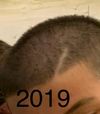
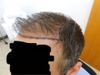
The user is using minoxidil, finasteride, dutasteride, and clobetasol, along with needling, to combat hair loss. They are considering stopping treatment if no improvement is seen.
The user is considering minoxidil, clascoterone, and fluridil for hair loss, avoiding finasteride and RU58841. They are also contemplating a hair transplant and exploring the resilience of transplanted hair without finasteride.
PP405 may revive dormant hair follicles but is unlikely to help with long-term baldness where follicles are replaced by scar tissue. It is seen as a potential adjunct to treatments like minoxidil and finasteride, but its effectiveness on deeply fibrotic or scarred areas is doubtful.
The post and conversation are about a user seeing hair regrowth after using Rogaine, rosemary oil, pumpkin seed oil, saw palmetto, microneedling, and LLLT. The user plans to add Nizoral soon and is hopeful about continued progress.
Minoxidil can prevent hair follicle miniaturization, not just stimulate hair growth. Finasteride and dutasteride don't work for everyone, suggesting DHT may not be the sole cause of hair loss; hair loss could be due to multiple factors, including autoimmune conditions.
User Tricky9555 tried various hair loss treatments for 8 months with no visible results. Others suggested considering a hair transplant, checking thyroid levels, and being patient for up to 24 months for potential results.
A person had a hair transplant using FUE with 4150 grafts after a previous FUT with 2000 grafts and is now using Dutasteride and oral Minoxidil. They are concerned about hair gaps on the side, questioning if they are a result of the transplant and if they are temporary.
Pregnancy can temporarily reverse hair loss in women, but attempts to mimic pregnancy hormones with treatments like contraceptive pills, spironolactone, estradiol, progesterone, finasteride, and minoxidil have been ineffective. The discussion highlights the need for research into the hormonal mechanisms of pregnancy that affect hair regrowth.
The user diagnosed with DUPA tried treatments like dutasteride, finasteride, RU58841, and minoxidil without success and is considering a hair system. They hope for a future cure, possibly with PP405, and others suggest options like scalp biopsy and SMP.
Lichen Planopilaris (LPP) is an autoimmune condition causing permanent hair loss and fibrosis, often misdiagnosed. Treatments include pioglitazone, topical corticosteroids, anti-inflammatory medication, and Jak inhibitors.
A healthy scalp barrier is crucial for hair growth, and ceramides may play a key role in maintaining it. The conversation suggests that focusing on scalp health, alongside treatments like Minoxidil, Finasteride, and RU58841, could improve hair follicle health.
Breezula (clascoterone) and Formula 82F (topical finasteride) are treatments for hair loss that block DHT differently; Breezula competes with DHT at the hormone receptor site without systemic effects, while 82F inhibits the enzyme that converts testosterone to DHT. Breezula may work for those who don't respond to finasteride and vice versa.
A woman experiencing hair loss and facial hair growth suspects PCOS or androgenic alopecia and is considering treatments like Rogaine, but is concerned about the cost. She has tried various hair care methods and is awaiting a hormone doctor appointment, while others suggest she may have a hormonal imbalance and recommend seeing a gynecologist or trying cheaper versions of Rogaine.
A female with male-pattern hair loss (AGA) is seeking help after unsuccessful treatments with spironolactone and supplements, and is considering oral minoxidil and finasteride despite concerns about medication side effects. She has ruled out hormonal birth control and PRP/PRFM, and is looking into further medical advice due to abnormal lab results.
The conversation discusses using USB microscopes for scalp photos and provides a link to an overview of trichoscopy. Treatments mentioned include Minoxidil, finasteride, and RU58841.
The conversation discusses using Bimatoprost for eyebrow regrowth and its potential use on the hairline, with concerns about cost and side effects. Alternatives like topical Minoxidil are mentioned, but the user is worried about aging and acne.
User discusses topical liposomal finasteride for hair loss, hoping to avoid breast growth side effect. Conversation includes using minoxidil, fluridil, and dermarolling, and mentions minimal systemic absorption of liposomal finasteride.
Hair loss treatments discussed include 200mg Spiro, bicalutamide, and finasteride. Endocrinologist advises against bicalutamide and finasteride due to potency and risks.
The conversation discusses potential future hair loss treatments, including SCUBE3, hair follicle cloning, and GT20029, with mentions of past disappointments like CosmeRNA and hopes for treatments like Verteporfin for infinite donor hair.
The conversation is about using inositol for hair loss, particularly its potential benefits for men, given its success in women with PCOS. The discussion includes treatments like Minoxidil, finasteride, and RU58841.
The conversation is about a female experiencing hair loss and seeking advice on why it's difficult to regrow hair. Specific treatments like Minoxidil, finasteride, or RU58841 are not mentioned.
A user shared their 6.5-month experience with topical finasteride (2%) and minoxidil (5%), noting initial progress followed by a significant shedding phase. Others in the conversation reassured that shedding is normal and suggested staying consistent with the treatment for potential regrowth.
PP405 cannot restore extracted hair follicles after a transplant as they are removed, not dormant. Combining verteporphin with wounding and PP405 is suggested but not confirmed effective.
The conversation discusses concerns about body dysmorphia related to hair loss, with some users expressing frustration over posts claiming treatments like finasteride and dutasteride are ineffective or harmful despite minimal hair loss. It emphasizes the importance of early treatment with medications like finasteride and minoxidil for those experiencing hair loss.
Hair loss treatment with latanoprost, minoxidil, and biotin showed progress. Latanoprost, a glaucoma drug, stimulates anagen phase and increases conversion of vellus hair to terminal hair.
Oral DHT blockers like finasteride are preferred for their ease of use, effectiveness, and long-term safety data, while topical treatments like RU58841 lack extensive safety data and can be more cumbersome to apply. Oral treatments are generally considered more effective and convenient despite potential side effects.
The discussion revolves around the need for future oral DHT blockers for hair loss treatment that don't have the side effects of current options like Finasteride and Dutasteride. One user suggests that the future of hair loss treatment will likely be topical anti-androgens, as they can target hair follicles without affecting the entire system.
Topical finasteride that doesn't penetrate the skin could potentially treat hair loss without side effects. Current challenges include finding a formulation that remains on the scalp without increasing blood levels.