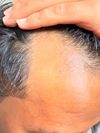
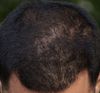
The user has been using finasteride, minoxidil, dermaneedling, and keto shampoo with great results. They seek a propylene glycol-free, volume-boosting shampoo for thin and fine hair.
An 18-year-old with diffuse hair thinning is considering switching from a topical Minoxidil 10% + Finasteride 0.1% solution to Minoxidil 5% foam and oral Finasteride 0.5mg, while also addressing vitamin D deficiency and potential scalp inflammation. Users suggest using Nizoral shampoo for inflammation, considering dutasteride for better results, and maintaining vitamin D levels to protect hair follicles from DHT.
Hair loss treatments, including PP405, minoxidil, finasteride, and RU58841, with hopes for future solutions. Participants discuss the emotional impact of hair loss and consider alternatives like hair transplants or acceptance.
PP405 shows promise for hair follicle reactivation with minimal side effects. Users recommend continuing Minoxidil and Finasteride until more results are confirmed.
Fatty acid metabolic signaling can activate epithelial stem cells for hair regeneration. Oleic and palmitoleic acids showed the best results, but practical application on humans remains uncertain.
The user is using a solution of 5% minoxidil and 0.1% finasteride with micro-needling and is considering adding 1mg oral finasteride. They notice small hairs on their forehead and are questioning if these indicate potential regrowth.
A 36-year-old started using finasteride (0.3-0.5mg daily), 5% minoxidil foam, and weekly dermarolling/dermapen treatments to address hair loss. They also began taking supplements for low ferritin and vitamin D, hoping to improve hair thickness and cover a bald spot.
TDM-105795 showed promising hair growth results, with higher efficacy than placebo and minimal side effects. It activates dormant hair follicle stem cells and may maintain gains without immediate loss, unlike minoxidil.
A peptide-based hair loss treatment, PP405, reportedly increased hair density by 62% in 90 days, but these claims are unverified and met with skepticism. Users compared PP405 to Minoxidil and Finasteride, expressing doubts about its effectiveness without more evidence.
Minoxidil, finasteride, and RU58841 are discussed as treatments for hair loss, with excitement around a new drug, PP405, and a reformulated oral minoxidil in trials. Concerns about cost, side effects, and long-term use are also mentioned.
The user is experiencing a strange hair loss pattern despite using dutasteride for 3 years and minoxidil with tretinoin for 1.5 years. They recently added microneedling and are considering a scalp biopsy to understand the cause.
Tressless GPT is now free and accessible for hair loss advice. Treatments discussed include Minoxidil, finasteride, RU58841, dutasteride mesotherapy, topical melatonin, microneedling, and rapamycin.
A 19-year-old with rapid hair loss since 16 is considering a hair transplant but refuses to take finasteride or any 5α-Reductase inhibitors. They are currently using minoxidil, tretinoin, and microneedling with a Derminator 2, and only want hair until age 27.
A user's progress with hair loss treatments over 5 months, using topical finasteride (0.3%) and minoxidil (6%), as well as weekly microneedling sessions; other users have asked questions about the results and offered compliments.
The user is experiencing reduced hair shedding and increased hair density after using finasteride, minoxidil, derma rolling, granactive retinoid, and Nizoral, while also taking testosterone and aromatase inhibitors. They question if they are a hyper responder to the treatments, despite mixed feedback from others about visible progress.
A 28-year-old male started balding at 20 and has been using Bosley Shampoo, minoxidil, finasteride, microneedling, and exosomes/PRP treatments. He also underwent scalp micropigmentation to hide thinning hair and is seeking feedback on regrowth progress.
Applying Epidermal Growth Factor (EGF) topically may improve skin and potentially promote scalp health and hair growth, especially after microneedling. The user shares their positive experience with EGF and provides a product link.
The user experienced noticeable hair regrowth after using finasteride for 2 years, oral minoxidil for 1 year, and recently starting dermarolling. The right temple shows significant improvement, while the left remains similar.
A user who experienced hair loss and stopped finasteride 4.5 years ago is considering restarting treatment with finasteride and oral minoxidil, questioning if their hair follicles are still recoverable. Responses suggest that hair follicles may not die and can potentially be revived even after many years, with some users sharing personal success stories using treatments like minoxidil, finasteride, microneedling, and RU58841.
A 29-year-old is experiencing hairline loss and has been using oral finasteride and topical minoxidil for two months, considering adding RU58841. They are advised to get a blood test for deficiencies and to style their hair instead of frequent haircuts.
A 17-year-old is considering finasteride for a receding hairline and seeks advice. Suggestions include starting with low-dose finasteride, trying dermarolling and Minoxidil, and consulting a physician.
The conversation discusses whether not masturbating (semen retention) affects hair loss, with opinions varying but generally dismissing the idea. Some participants mention using hair loss treatments like Minoxidil, Finasteride, and RU58841, but the effectiveness and relation to prolactin levels in the scalp are debated.
The user is discussing hair regrowth after 3.5 months of using finasteride, questioning if the new growth is baby hairs. They compare photos from December to the present to assess progress.
A 43-year-old man shares his slow progress using low-dose topical finasteride and 5% minoxidil for hair growth, along with scalp massages, microneedling, biotin supplements, and pumpkin seed oil. Another user suggests shaving and warns about potential infertility from finasteride, but the original poster remains optimistic, citing others' successful results.
A user experienced extreme hair growth on their hairline and temples using natural remedies like onion juice, nail rubbing, more veggies and fruits, less carbs, jojoba oil, and dermarolling. They did not use Minoxidil, finasteride, or any prescription drugs.
The conversation discusses the importance of scalp biopsies for diagnosing hair loss conditions like DUPA and Retrograde, which may not be just AGA. It emphasizes that treatments like finasteride and dutasteride may not work if the condition is autoimmune.
PP405 increased hair density by 20% in 31% of participants, but results are considered underwhelming. Minoxidil and finasteride are seen as more effective treatments.
An 18-year-old diagnosed with male pattern baldness is using probiotics, saw palmetto, pumpkin seed oil, soy isoflavones, biotin, fish oil, quercetin, a multivitamin, and ketoconazole shampoo. Replies suggest these methods are ineffective and recommend finasteride, minoxidil, and a derma roller.