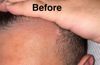
The user reported significant hair regrowth after using 1mg finasteride, 5% minoxidil twice daily, and dermarolling every 10 days. Others noted improvements and encouraged continued updates.
The user showed a 4-month hair loss treatment progress using topical finasteride with minoxidil, Redensyl, Procapil, Capixyl, ketoconazole shampoo, and occasional microneedling. They took consistent progress photos under the same conditions.
A user shared their 6-month progress using 1ml of Kirkland minoxidil daily and weekly 1mm dermarolling, noting no side effects and minimal shedding. They plan to consider finasteride or dutasteride after midterms, attributing hair loss to genetics.
The user has been using finasteride for 16 months, minoxidil for 11 months, and started microneedling 2 months ago, experiencing shedding phases. They are questioning whether they are experiencing miniaturization or regrowth.
A 40-year-old male experienced significant hair regrowth and no hair fall after 5 months using topical minoxidil, dermarolling with a 1.0mm roller, Nizoral shampoo, and biotin gummies. He previously stopped oral finasteride due to daily pill concerns but now uses topical treatments without noticeable side effects.
The user is using topical finasteride 0.3% and minoxidil 5% for hair regrowth, along with dermal stamping, zinc, fish oils, and biotin. They report some regrowth and shedding, with no significant side effects.
The user shared progress pictures showing hair regrowth after increasing the dose of topical Minoxidil and adding Finasteride. Replies indicate positive feedback and encouragement, noting visible improvement in the hairline.
The user is using topical finasteride 0.1%, minoxidil 5% twice daily, red light therapy, a multi-peptide serum, and a weekly oil hair mask with various oils and ingredients. They also use ketoconazole shampoo, condition their hair, and microneedle with a dermapen, seeking advice on any changes to their routine.
The user experienced significant hair regrowth after 7 months using topical minoxidil once a day and 0.5mg dutasteride every other day, with noticeable results in the last two to three months. They reported no side effects and did not use dermarolling.
A man in his twenties experiencing hereditary hair loss has been using 5% Minoxidil, a derma roller, Vitamin D3, and recently started Finasteride. He has noticed baby hairs appearing, indicating some regrowth, and is advised to continue the treatment consistently for several months to potentially see significant results.
A 30-year-old male is experiencing some hair regrowth after 77 days using oral finasteride, topical minoxidil 5%, and a 0.5mm derma roller twice a week. Users note small hairs filling previously smooth spots, but it's too early to determine full regrowth potential.
The user is seeking confirmation of progress in their hair regrowth journey while using oral finasteride and topical minoxidil. They also mention experiencing shedding and dandruff after switching from liquid minoxidil to foam. Some users suggest considering a hair transplant.
A user shared progress pictures after 100 days of using finasteride, topical minoxidil, and dermastamping, with oral minoxidil added two weeks ago, reporting no side effects. Some users praised the results, while others questioned the effectiveness of dermastamping and the visibility of hair growth.
The user has experienced significant hair regrowth using finasteride for 7 months and minoxidil for 3.5 months, with many commenters noting visible progress. The user has not experienced side effects and is considering additional treatments like microneedling.
The user has been using finasteride, minoxidil, dermarolling, and keto shampoo for hair regrowth, showing positive results after four months. Some users suggest adding tretinoin cream for better absorption, and there's a debate on whether finasteride should be taken at night.
User experienced hair regrowth with minoxidil and dermarolling for 3 months. Routine includes applying 1ml minoxidil nightly and dermarolling with 0.5mm needles twice a week.
The user started using finasteride and minoxidil and noticed fine, spikey hairs on their scalp after oiling with coconut and blackseed oil. Responses suggest these fine hairs could indicate hair regrowth, but more time is needed to see results.
User noticed new baby hairs on temples after 1.5 months of minoxidil and 1 month of finasteride. They use a topical combo, derma stamp, rosemary oil, scalp massages, and keto shampoo.
Red light therapy has shown promising results in hair regrowth for the user, who avoids minoxidil and finasteride due to side effects. The user follows a healthy lifestyle with diet, exercise, and sauna use, and will continue monitoring the therapy's effectiveness.
The post and conversation are about a user's 6-month progress using topical dutasteride, 8% minoxidil, tretinoin, 2% ketoconazole shampoo, microneedling, oral finasteride, pumpkin seed oil, Vitamin D3, a men's multivitamin, rosemary oil, and 5% minoxidil foam for hair loss treatment.
Hair regrowth progress using finasteride, minoxidil, and dermarolling. Visible improvements started around month 6, with initial shedding from minoxidil.
The user reports significant hair regrowth using finasteride, topical minoxidil, and dermarolling twice a week, despite poor photo quality. Another user shares their experience with oral minoxidil and finasteride, noting ongoing shedding and considering additional treatments.