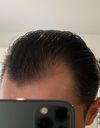
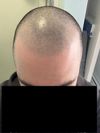
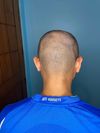
A user trying to avoid an expensive hair transplant, and the replies suggesting they wait two years on treatment before deciding if they need a transplant or not.
A non-binary transfeminine person experienced significant hair regrowth after starting finasteride, minoxidil, microneedling, and hormone replacement therapy with estradiol. They encourage trans individuals concerned about hair loss to consider estrogen as it has greatly improved their hair condition.
A 28-year-old male started balding at 20 and has been using Bosley Shampoo, minoxidil, finasteride, microneedling, and exosomes/PRP treatments. He also underwent scalp micropigmentation to hide thinning hair and is seeking feedback on regrowth progress.
A user shared their progress after a 4,000-graft hair transplant, using finasteride (1.25 mg daily) and oral minoxidil (2.5 mg daily) for six months. They reported no side effects from the medication and noted significant improvement in hair density.
A user is considering creating a mobile app to track hair transplant recovery, including daily progress, photos, and care instructions. They seek feedback on whether such an app would be helpful for others.
The user experienced hair thinning in the middle of their head despite using finasteride and minoxidil and having a hair transplant. They are concerned about the thinning and considering shaving their head, while being advised to continue treatment and manage stress.
The conversation suggests that a 22-year-old male may regrow his hair using dutasteride and minoxidil without needing a hair transplant, advising to continue treatment and assess progress after 1-2 years.
The user experienced significant hair regrowth using oral and topical minoxidil, dutasteride, and microneedling, with natural hair returning despite previous baldness and transplants. The treatment appears effective, as hair has darkened and increased in length.
Microneedling may risk scarring, potentially complicating future hair transplants. Alternatives like tretinoin with minoxidil are suggested for better hair growth.
A 46-year-old man is using minoxidil, finasteride, and derma rolling for hair regrowth but is unsure of the results and considering a hair transplant. Many suggest he looks good bald and recommend continuing treatment or trying scalp micropigmentation.
The post discusses a theory that hair regrowth after transplant is due to the angiogenesis process (new blood vessels forming), not because the transplanted hair is unaffected by DHT. The responses highlight the established belief in 'donor dominance' (the importance of the hair's origin in transplantation) and skepticism about the new theory.
A 36-year-old man is considering starting oral finasteride and minoxidil, using ketoconazole shampoo, and possibly getting a 3000-graft FUE hair transplant. He previously had scalp micropigmentation but is now exploring medication due to fewer concerns about side effects.
A user is considering whether to continue using RU58841 or switch to hair system patches for a receding hairline, while already using finasteride, oral minoxidil, and microneedling. Another user suggests buying RU58841 in powder form to save money and notes the original poster's hair has significantly improved.
The user is experiencing hairline recession and plans to use minoxidil, finasteride, and biotin for a year, considering a hair transplant if needed. They seek advice on their treatment plan and additional ways to support hair growth.
Someone who is starting to experience hair loss and is considering multiple treatments, such as minoxidil, finasteride, dutasteride, and a hair transplant, to manage it. Replies provide advice on how to approach these treatments safely and effectively.
A user is starting a hair loss treatment with a 3-in-1 spray containing finasteride, minoxidil, and tretinoin. They are concerned about whether to continue shaving their head and how to determine if hair follicles are dead.
The user is concerned about regrowing a plucked widow's peak and is considering using Minoxidil. They have been using the Growplex pack for a month without noticeable results.
The conversation is about a user experiencing small hair regrowth after 4 weeks of using oral Minoxidil and Dutasteride, and considering a future FUE transplant. Some users express skepticism about the regrowth, while others share similar experiences or doubts about the effectiveness of the treatment.
The user experienced significant hair regrowth using high doses of dutasteride, minoxidil, and finasteride, but still considers a hair transplant due to thin hair and limited temple improvement. They face challenges accessing medication and are exploring additional treatments like microneedling.
The user is considering hair restoration options after experiencing side effects from Minoxidil and avoiding Finasteride due to concerns about side effects. They are contemplating trying Finasteride or Dutasteride and possibly undergoing a hair transplant.
The user experienced hair regrowth and strengthening using finasteride, minoxidil, micro-needling, Nizoral, and biotin products. Despite progress, they acknowledge that a hair transplant may be needed for full hairline restoration.
The conversation discusses a user's positive experience with hair regrowth using topical finasteride, minoxidil, and microneedling after 2.5 months, noting initial shedding but improved hair density, especially at the temples, possibly eliminating the need for a hair transplant. The user is satisfied with the current treatment and is hesitant to try the experimental drug RU58841, hoping the current routine will suffice for further improvements.
Hair cloning for hair loss is unlikely to be available or affordable in the next 10 years. Current treatments like Minoxidil, finasteride, and RU58841 are still the main options, with skepticism about new advancements.
Hair loss treatments like finasteride, minoxidil, dutasteride, and RU58841. Users suggest hair fibers for temporary coverage and consider hair transplants for permanent solutions.
The user experienced reduced hair fall with topical minoxidil and finasteride but no regrowth, and faced hormonal issues with oral finasteride. They are considering a hair transplant and exploring treatments like topical dutasteride, oral minoxidil, microneedling, and hair supplements.
A user plans to experiment with creating new hair follicles using methods like derma rolling, applying lithium chloride, tannic acid, and various other substances including caffeine, ketoconazole, and raspberry ketones. They also consider using anti-inflammatories, immunosuppressants, and DHT inhibitors to potentially improve results.
A 27-year-old experienced significant hair regrowth after a hair transplant with 4349 grafts, supported by minoxidil and finasteride, improving his confidence. He plans to update on further progress at 9–12 months.