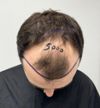
User shared progress pictures of hair regrowth on the crown/vertex after a transplant and using finasteride, Minoxidil foam, and a dermapen. They hope to fully regrow or increase density in the crown area.
A 30-year-old considering a hair transplant has been using treatments like oral Minoxidil, Dutasteride, topical Minoxidil, copper peptide serum, red light laser therapy, microneedling, and vitamin therapy for hair loss. They are advised that a hair transplant is still an option, but maintaining current treatments is crucial to support the transplant and prevent further hair loss.
The user experienced significant hair loss due to health issues and is now using finasteride and minoxidil for nearly 3 months. They are hopeful about tiny hairs/dots indicating regrowth and are considering a hair transplant later in the year.
The conversation discusses the safety and effectiveness of a hair loss drug, GT20029, and the possibility of infrequent application, with users hoping for once-daily use and speculating on the drug's duration of effect on the scalp. Specific treatments mentioned include Minoxidil, finasteride, and RU58841.
The user is using finasteride, minoxidil, ketoconazole, and vitamins/minerals for hair loss, and had a hair transplant with 2300 grafts. They are seeking opinions on future improvement, with one response suggesting a 10-20% improvement in the next 4-6 months.
The user is pleased with their hair transplant results but is concerned about the vertex area. They use Minoxidil and finasteride daily and had the procedure at a clinic in Athens.
A 21-year-old is experiencing aggressive hair loss despite using minoxidil, dutasteride, and GFC, and is seeking advice on whether to switch treatments or consider a hair transplant. Suggestions include continuing current treatments, checking for underlying health issues, and considering alternatives like RU58841 or microneedling.
A 28-year-old male shares his 12-step hair regrowth routine, including finasteride, minoxidil, RU58841, LLLT, dermarolling, various shampoos, supplements, and a healthy diet. He seeks advice on microneedling frequency and mentions experiencing lowered libido and occasional scalp inflammation.
The conversation discusses whether someone with a naturally large forehead and widow's peak can get a hair transplant and start finasteride early. It also mentions a surgery to lower the hairline as an alternative.
Using a combination of micro-needling and exosome injections as a potential treatment for male pattern baldness, which could result in 50% or more regrowth.
The user underwent two FUT hair transplant surgeries with subpar results, leading to disappointment and continued use of Minoxidil, laser cap, dermaroll, and biotin. They advise thorough research before committing to hair transplants, especially for those with advanced hair loss.
David Barreto shared that a London-based research group is conducting a 12-month trial for a new nutraceutical treatment for pattern hair loss, designed with Dr. Carlos Puig. The trial aims to provide robust data, with results expected in 1-2 years, potentially representing a significant advancement since finasteride’s introduction in 1997.
A user shared impressive progress at 4 months post-hair transplant with 5120 grafts by Dr. Ahmet Yildirim in Istanbul. The user expressed satisfaction with the results, which exceeded expectations.
Hair regeneration and follicle cloning are considered far from being feasible, with current treatments like finasteride, minoxidil, and hair transplants expected to remain dominant for the next 15-20 years. Some are hopeful that AI advancements might accelerate progress, but many remain skeptical about significant breakthroughs in the near future.
A user shared progress pictures of their FUT hair transplant in Korea, showing results one year post-op. The conversation highlights the density of the hair, the quality of Korean hair treatments, and mentions treatments like Minoxidil, finasteride, and Dutasteride.
A man lost his transplanted hair despite using minoxidil because he wasn't on a DHT blocker like finasteride, which is essential to prevent further hair loss. The conversation emphasizes that hair transplants are not a cure and require maintenance with medications to preserve results.
PP405 is a promising new hair loss treatment that may reactivate dormant hair follicles without side effects. It could surpass traditional treatments like minoxidil and finasteride if successful in further trials.
The user shares their experience with hair loss treatments, including oral finasteride, oral minoxidil, and a topical lotion for dandruff, expressing dissatisfaction with past treatments like PRP and hair transplants. They seek advice on a DNA test to determine suitable medications and express frustration with dermatologists' advice.
Topical Metformin shows potential for regenerating hair follicles and minimizing scarring in hair transplant donor areas, similar to Verteporfin but without its side effects. The discussion suggests considering Metformin for post-hair transplant care, though more human trials are needed.
A user's experience with a hair transplant procedure and the resulting appearance of their hairline, which included some micro irregularities to make it look natural. Other users asked questions related to cost and safety of similar procedures at different clinics.
The user has been using 1MG finasteride, 5% minoxidil, LLLT, and derma stamping for a year to improve hair density for a potential transplant. They are considering switching to dutasteride and are unsure whether to proceed with a transplant now or wait for more growth.
A user shared progress pictures 1.5 months after a hair transplant of 3500 grafts, using oral finasteride, topical finasteride, minoxidil, and vitamins. They are concerned about potential shock loss and the thinning appearance.
The conversation is about a user sharing their hair transplant results and seeking feedback. They are taking finasteride, minoxidil, oral minoxidil, vitamins, and using special shampoo to maintain their hair.
A user claims to have reversed baldness, possibly due to telogen effluvium recovery after weight loss. Others discuss the potential success of using GHK-Cu for hair regrowth.
A hair tattoo substitute for a hair transplant, which many people felt was not a good idea. Several treatments were suggested as alternatives, such as Scalp Micro Pigmentation (SMP) and wigs.
Minoxidil was applied to a single miniaturized hair follicle over four months, resulting in less miniaturization but not yet terminal growth. The user used a 5% minoxidil solution, specifically the Regaine brand, and observed changes using a handheld WiFi microscope.
A 28-year-old male using Tugain 10 minoxidil, Finpecia 1mg finasteride, Cipla Ketoconazole shampoo, and dermarolling 0.5mm weekly for 3-4 months is seeing some hair regrowth. Encouragement is given to continue the regimen.
The conversation discusses hair loss treatments using finasteride, minoxidil, RU58841, and MN over 3.5 months. The user is planning a hair transplant for the following year.