Follicopeptide (FOL005) by Coegin Pharma will launch as a cosmetic hair growth treatment by Q2 2025, showing similar efficacy to finasteride. Users discuss the benefits and skepticism of releasing hair loss treatments as cosmetics rather than drugs.
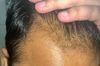
Folliculitis may be linked to hair loss, with treatments including antibiotics, minoxidil, finasteride, and dietary changes. Users suggest seeing a dermatologist for proper diagnosis and treatment.
A user shared progress pictures showing improvement in PCOS-related hair loss after six months of using topical minoxidil, dermarolling 0.5mm weekly, and taking biotin gummies. They expressed happiness about the appearance of new baby hairs.
A 21-year-old with accelerated hair loss due to stress and weight loss is using minoxidil, finasteride, and microneedling to combat balding, despite experiencing a significant initial hair shed. They are committed to continuing treatment for at least three months and are considering switching to topical finasteride if necessary.
The conversation discusses potential hair loss treatments, including Setipiprant, Bimatoprost, and Follicept. The user encourages signing up for Follicept, which may come to market soon.
An 18-year-old experiencing hair loss and seborrheic dermatitis has tried finasteride, dutasteride, and various shampoos without success. They are considering anti-androgens like RU58841 and KX-826 for oil control and dandruff reduction.
Hair loss treatments are difficult because hair follicles react differently to hormones and have varying growth cycles. Treatments mentioned include Minoxidil, finasteride, and RU58841.
A humorous discussion about random, long hairs appearing on the body, with no connection to hair loss treatments like Minoxidil, finasteride, or RU58841. Participants share personal anecdotes about these unusual hairs.
A 28-year-old male using Tugain 10 minoxidil, Finpecia 1mg finasteride, Cipla Ketoconazole shampoo, and dermarolling 0.5mm weekly for 3-4 months is seeing some hair regrowth. Encouragement is given to continue the regimen.
The user has been using topical Minoxidil and Finasteride for 5 months and is questioning whether the new hair growth is genuine or just thin existing hairs. Another user suggests that comparison with before pictures is necessary to determine progress.
The user has been using Minoxidil for 2 months and Finasteride for 1 month to address hair loss, particularly at the temples. They are questioning whether the new small hairs are facial hairs or new scalp hair.
Hair follicles usually go dormant rather than die, and treatments like finasteride, minoxidil, and hormone therapy can sometimes reactivate them, though results vary. Complete regrowth is rare, especially in long-term bald areas, but some individuals see significant improvement with these treatments.
A user is concerned about hair shedding despite noticeable regrowth after 7 months of using finasteride. The dermatologist confirmed positive results, but the user remains skeptical and confused.
The user experienced significant hair regrowth using finasteride, minoxidil, and a 4,000-graft hair transplant performed by Dr. Nader in Reynosa, Mexico. The results were natural-looking, and the user plans a second transplant for additional density if needed.
A young man with hypertrichosis has over 95% of his face covered in hair, sparking humorous comments about hair loss treatments like minoxidil and dutasteride. Users joke about transplanting his facial hair and discuss the challenges of his condition compared to typical balding.
The conversation is about whether treatments like finasteride, dutasteride, and minoxidil can make single hair follicles produce multiple hairs again. The user is curious if these medications can thicken hair and prolong the growth phase.
A user is starting a topical finasteride treatment for diffuse patterned alopecia, having previously used minoxidil without success. They are cautious about side effects and have chosen topical over oral finasteride, while also using Nizoral and biotin in their routine.
Minoxidil was applied to a single miniaturized hair follicle over four months, resulting in less miniaturization but not yet terminal growth. The user used a 5% minoxidil solution, specifically the Regaine brand, and observed changes using a handheld WiFi microscope.
The user experienced tiny vellus hairs from 0.5mg finasteride and 2.5mg minoxidil over 9 months. Topical minoxidil, alfatradiol, and RU58841 applied twice daily for 1.5 months significantly improved temple hair regrowth.
A user on finasteride, minoxidil, dermastamp, and Nizoral is seeing baby hairs and asks if it's regrowth. Another user confirms it is regrowth and encourages them to continue.
The conversation discusses a hair loss treatment involving oral minoxidil, topical finasteride, and a custom topical formulation with minoxidil, cetirizine, finasteride, progesterone, and hydrocortisone. The user seeks advice on the effectiveness of these ingredients for diffuse thinning.
Individuals with oily scalps, dandruff, and diffuse thinning hair loss who have managed to either halt the loss or regrow their hair by using topical finasteride and minoxidil as well as microneedling and ketoconazole 2% shampoo.
Hair follicle stem cells remain in bald individuals, but progenitor cells do not, raising questions about hair regrowth claims by Pelage. PP405 is discussed as a potential treatment, with skepticism about its effectiveness compared to existing treatments like Minoxidil and Finasteride.
Scientists have successfully grown functional hair follicles in the lab, marking a significant advancement in hair regeneration research. A user shared their personal experience with hair loss treatments, including Minoxidil and Finasteride, and plans to share a detailed protocol for hair restoration.
A user with diffuse thinning noticed stubble-like hairs on their scalp after using 2% ketoconazole shampoo, dermarolling, castor oil, Vitamin D3, biotin, and iron supplements. They are unsure if this indicates regrowth or miniaturized hairs.
The user is experiencing excessive hair thinning and is unsure of the cause. They are seeking opinions on treatments like Minoxidil, finasteride, and RU58841.
The user has been using minoxidil and finasteride for 7.5 months to address hair thinning, particularly at the crown and temples, and is considering additional treatments like tretinoin and dermastamping despite having chronic scalp folliculitis. They are experiencing progress but are concerned about side effects and the effectiveness of treatments on temple regrowth.
The post and conversation are about a user seeing hair regrowth after using Rogaine, rosemary oil, pumpkin seed oil, saw palmetto, microneedling, and LLLT. The user plans to add Nizoral soon and is hopeful about continued progress.