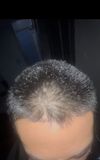
Lichen Planopilaris (LPP) is an autoimmune condition causing permanent hair loss and fibrosis, often misdiagnosed. Treatments include pioglitazone, topical corticosteroids, anti-inflammatory medication, and Jak inhibitors.
New potential hair loss treatment uses molecules from hairy moles to stimulate follicle growth. Topical solution requires less frequent application, like Botox injections a few times per year.
The user has been using finasteride for 7 months and is experiencing some regrowth but struggles with an oily scalp despite trying ketoconazole and salicylic acid. They are seeking advice on managing the oily scalp and are reassured by others that regrowth is visible.
The conversation is about a female experiencing hair loss and seeking advice on why it's difficult to regrow hair. Specific treatments like Minoxidil, finasteride, or RU58841 are not mentioned.
The conversation discusses managing seborrheic dermatitis (sebderm) and male pattern baldness (MPB) with treatments like finasteride, coal tar shampoo, Nizoral, and oral minoxidil. Users suggest dietary changes, regular shampooing, and using antifungal products to control sebderm before considering minoxidil.
A 19-year-old is experiencing worsening hair loss and severe seborrheic dermatitis despite using finasteride for six months. Nizoral (ketoconazole) is no longer effective, and they are seeking over-the-counter solutions and advice for an upcoming dermatologist visit.
Hair loss from seborrheic dermatitis can be temporary. Treatments discussed include Minoxidil, finasteride, and RU58841, along with collagen and biotin supplements.
The conversation discusses whether a longtime NW7 scalp has vellus hairs under a microscope or is completely smooth. Treatments mentioned include Minoxidil, finasteride, and RU58841.
The user is struggling with seborrheic dermatitis and plans to try ciclopirox olamine after finding ketoconazole too drying. They are also using finasteride daily.
A 22-year-old is experiencing hair loss, particularly fuzzy hair in the front, and is concerned about male pattern baldness. Treatments mentioned include Propecia (finasteride), minoxidil, PRP treatments, dermarolling, peppermint oil, and apple cider vinegar.
Gut microbiome imbalances can cause scalp inflammation and affect hair follicles, potentially leading to hair loss. Treatments include finasteride, peptides like BPC-157, TB-500, KPV, and lifestyle changes such as diet and exercise.
The user is experiencing hair regrowth in small clusters using oral minoxidil, oral finasteride, a red light cap, and Nizoral 2% shampoo. They are hopeful for continued improvement and thicker hair.
Sulfur soap may help with hair thickening and reducing scalp inflammation, but it can cause dryness. Nizoral, containing ketoconazole, is noted for its potential to reduce seborrheic dermatitis but may also cause scalp dryness and hair loss.
The conversation discusses hair loss linked to BDNF-increasing nootropics like Semax and Lions Mane. Suggested topical treatments include capsaicin, beta-glucan, and ginseng to counteract TGF-B activation.
Fatty acid metabolic signaling can activate epithelial stem cells for hair regeneration. Oleic and palmitoleic acids showed the best results, but practical application on humans remains uncertain.
A 21-year-old is experiencing aggressive hair loss and dandruff, possibly due to seborrheic dermatitis, and is using pumpkin seed oil, scalp massages, and anti-dandruff shampoo as treatments. They are hesitant to use prescribed Finasteride and Minoxidil and have noticed some improvement after stopping Serenoa capsules.
The user has been taking oral finasteride for 2 months, experiencing more hair loss but noticing some fuzzy hair growth on the scalp. They are questioning if this new hair growth is significant.
User noticed beard and sideburn hair loss, and thinning eyebrows, diagnosed with alopecia barbae and male pattern baldness, and prescribed Desonide cream. User seeks feedback on Desonide cream.
The user is experiencing hair loss, possibly due to androgenetic alopecia and seborrheic dermatitis, and has tried ketoconazole shampoo without success. They are hesitant to use finasteride due to potential side effects and are seeking advice on managing their condition.
The user successfully managed hair regrowth by using a combination of finasteride, dutasteride, minoxidil, and specific shampoos to treat seborrheic dermatitis. They emphasize the importance of maintaining a healthy scalp and are considering food intolerance tests to further address inflammation.
A 19-year-old male with seborrheic dermatitis (SD) experienced significant hair loss and uses keto shampoo, zinc, and Nizoral to manage it. He inquires about the potential for regrowth and whether adding finasteride would help.
An 18-year-old experiencing hair loss and seborrheic dermatitis has tried finasteride, dutasteride, and various shampoos without success. They are considering anti-androgens like RU58841 and KX-826 for oil control and dandruff reduction.
The user switched from oral to topical finasteride with minoxidil after a hair transplant and is experiencing increased hair growth in unexpected areas like eyebrows and sideburns. They are seeking feedback from others with similar experiences.
A 16-year-old female experiencing severe hair loss and sebum buildup, likely due to telogen effluvium and PCOS, is currently using vitamin D3 supplements, Redenser serum, and T follihair supplements. Recommendations include addressing PCOS first and consulting a doctor.
A 20-year-old is experiencing hair loss and is using finasteride, ketoconazole, and topical minoxidil. They suspect retrograde alopecia due to hair loss on the sides and nape, despite noticing some hair thickening on top.
The user started using finasteride and minoxidil and noticed fine, spikey hairs on their scalp after oiling with coconut and blackseed oil. Responses suggest these fine hairs could indicate hair regrowth, but more time is needed to see results.
The user started using minoxidil foam daily after two years on finasteride and is managing seborrheic dermatitis with antifungal shampoo. They seek advice on moisturizing products that won't worsen their condition, with suggestions including gentle shampoos and light ceramide serums.
A user has been experiencing hair loss for 4 years, with treatments like minoxidil, finasteride, and various supplements proving ineffective. They were diagnosed with fibrosing alopecia in a pattern distribution, a condition that may require a combination of anti-inflammatory and hair growth treatments.
Follica's preferred microneedling protocol for hair growth, which includes needle depth, frequency and movement parameters as well as the use of topical treatments such as minoxidil and finasteride.