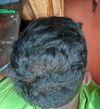
A 23-year-old male is experiencing diffuse hair loss and miniaturization, possibly due to high IGE levels after using tofacitinib. He seeks advice and has not yet consulted a dermatologist.
A user started using topical finasteride 0.1% with Aloe Vera 0.05% on May 19, 2023, to address hair loss that began at age 27. They plan to post progress pictures every three months.
The user is experiencing increased hair shedding and is concerned about regression despite consistent use of finasteride, minoxidil, and other treatments. The consensus is that this is likely a temporary shedding phase, and adjustments to the dermarolling frequency are suggested.
The user has been using finasteride for 18 years to manage hair loss and is considering starting minoxidil and possibly a hair transplant. Despite some regrowth, they are exploring additional treatments like dutasteride and oral minoxidil due to continued hair thinning.
A double blind, placebo-controlled study that looked into the potential effectiveness of topical fluridil for treating male androgenetic alopecia, showing increased anagen to telogen ratios with no reported side effects on libido or sexual performance.
The user experienced significant hair regrowth in two months using finasteride, topical minoxidil, and weekly microneedling, but developed dark spots on the scalp, possibly from irritation. They plan to try ketoconazole shampoo to address the issue and will consult a dermatologist.
A user's plan to use Zix and topical finasteride (5AR inhibitors) for hair loss, followed by blood testing before/after. The user has suggested creating a fund to cover part of the cost of their blood tests. Replies to their post discuss the effectiveness of the treatments.
Exosomes combined with fractional picosecond laser treatment were effective in treating androgenetic alopecia and promoting repigmentation in white hair patches. The role of exosomes in hair repigmentation, particularly in conditions like poliosis, is not well-studied.
A user shared their progress with hair regrowth using a topical solution of 0.3% finasteride and 6% minoxidil spray. They asked for additional routine suggestions, but a reply suggested no changes if the current routine works.
The user shared their 2 1/2 years of progress treating hair loss with finasteride, minoxidil, and dermarolling, noting a slight improvement from RU58841 and a recent addition of oral minoxidil. They varied their finasteride dosage, used both topical and oral minoxidil, and saw better results with short hair, hoping for further improvement.
The user "baselinesims" shared their progress in treating hair loss using 1mg oral finasteride, 1ml topical minoxidil, 0.5ml topical dutasteride, keto shampoo, cosmerna, and micro needling. They are happy with the progress so far, with diffuse thinning being taken care of and baby hairs showing up. They plan on getting a hair transplant in the future. Other users commented on the improved appearance and mentioned that the lighting in the photos may affect the comparison.
The user has been using topical 0.3% finasteride, 5% minoxidil, and Nizoral for 5 months and is questioning if they are experiencing hair regrowth. The conversation revolves around identifying potential hair regrowth.
The conversation is a satirical discussion about hair loss treatments, jokingly suggesting using a Cocker Spaniel as an alternative to actual treatments like finasteride, minoxidil, RU58841, ketoconazole, and dermarolling.
A 25-year-old male is experiencing advanced hair loss and is using topical and oral minoxidil, topical finasteride, and vitamin D3, but has not seen significant regrowth. He is considering switching treatments, including oral dutasteride, topical spironolactone, and possibly a scalp biopsy to better understand his condition.
Scientists have successfully grown functional hair follicles in the lab, marking a significant advancement in hair regeneration research. A user shared their personal experience with hair loss treatments, including Minoxidil and Finasteride, and plans to share a detailed protocol for hair restoration.
A person noticed hair thinning, changed their diet, and added collagen and vitamins to see if it would improve hair growth before starting finasteride and considering a hair transplant. Commenters suggest the appearance of hair regrowth may be due to the way the hair is combed rather than actual growth.
The conversation is about someone's 4.5-month progress using oral finasteride and topical minoxidil once daily for hair loss. They shared their results with progress pictures.
A 57-year-old man uses a hair system, not a hair transplant, and likely had cosmetic procedures. Discussions include the effectiveness of hair systems and finasteride side effects.
TGF-B affects hair growth, both causing stem cell division and death depending on amounts. Amplifica's treatment injects Scube3 to increase TGF-B for hair growth.
The user is considering whether to consult a hair loss specialist after letting their hair grow for two weeks, having previously shaved their head since age 26. They are contemplating continuing to shave if consulting a specialist seems unnecessary.
An 18-year-old experiencing diffuse hair thinning since 8th grade seeks advice. They are concerned about having less hair than their 52-year-old father and are looking for treatment options.
The conversation discusses hair regrowth progress using topical dutasteride with cetirizine, laser therapy, and growth serum. The user observes miniaturized, vellus hairs on the scalp.
The user is pleased with the hair growth results after using a topical treatment containing Minoxidil, Finasteride, azelaic acid, retinol, and caffeine for two years. The treatment was applied once daily before sleep.
, I’m on fin as well.
This conversation discussed the user's successful results from 5 weeks of taking an oral minoxidil medication and their experience with hair shedding while using it in combination with finasteride.
The conversation discusses verteporfin as a potential hair loss treatment and questions why more precise methods aren't used to test its effectiveness in regrowing hair. Some users believe verteporfin is promising and should receive more attention, while others are skeptical about the testing methods.
PP405 may damage hair follicles if used long-term, suggesting cycling might be necessary. Combining it with finasteride could help maintain hair growth.
The user started a consistent hair loss treatment routine in January, using finasteride, minoxidil, red light therapy, micro-needling, vitamins, and specific shampoos. They noticed potential progress after 11 weeks and plan to update in a few months.
The user shared progress pictures after using topical minoxidil for 8 months and topical finasteride for 5 months, along with other treatments like tretinoin cream, microneedling, and specialized shampoos. They are seeking feedback on their hair regrowth progress and are concerned about reaching a plateau.
The conversation discusses the importance of scalp skin barrier health in hair follicle cycling, suggesting treatments like ceramides or niacinamide to support hair growth. It also mentions the use of finasteride for hair loss.