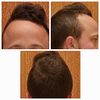
The user experienced significant hair darkening and progress in hair regrowth over six months using 5% topical minoxidil, 5 mg oral minoxidil, 1 mg finasteride, and weekly microneedling. No side effects were reported from these treatments.
The conversation discusses hair regrowth treatments, specifically using a combination of oral and topical minoxidil, oral and topical dutasteride, and PRP. There is skepticism about the authenticity of the results, with some users questioning the changes in hair and skin appearance.
Finasteride and minoxidil use resulted in a more youthful appearance and improved skin. There is debate about their effects on collagen and skin aging, with no solid evidence supporting significant changes due to finasteride.
A 39-year-old experienced hair regrowth on his temples after switching from finasteride to topical RU58841 combined with 5% minoxidil. He also underwent stem cell treatment and noticed improvements, attributing the regrowth mainly to the change in treatment.
The user started using topical minoxidil and recently added oral finasteride to their routine, seeing some progress but seeking advice on further hairline improvement. Other users shared their positive experiences with minoxidil and finasteride, suggesting patience and a simplified routine for better results.
A 30-year-old male experienced significant hair regrowth after five months of using topical minoxidil (5% foam) and oral dutasteride (0.5 mg daily). The user reported no side effects and was grateful for the progress, despite the rapid gains slowing down.
The user experienced hair regrowth using 2.5mg finasteride daily and by drinking topical minoxidil mixed with water. Commenters advised against this method, suggesting oral minoxidil for safety.
The user has been using finasteride for over a year and topical minoxidil since March, noticing small hairs but no significant regrowth. Suggestions include continuing the current treatment, considering microneedling, and possibly trying oral minoxidil for better results.
The conversation is about a person recovering from drug-induced malnourishment, regaining hair growth, and improving overall health. They attribute their progress to stopping drug use, focusing on nutrition, and possibly using hormone replacement therapy (HRT).
Dutasteride can slow hair loss and potentially stabilize it, but results vary by individual. Minoxidil and dutasteride may lose effectiveness over time, and hair loss might continue despite treatment.
Unwanted hair growth from minoxidil use, with suggestions to reduce dosage or switch to finasteride. Users recommend hair removal methods like shaving, waxing, or electrolysis to manage excess facial hair.
A user underwent a hair transplant with 3500 grafts after trying treatments like finasteride and minoxidil, preferring a local clinic in Toronto over traveling to Turkey. The user plans to continue using finasteride to maintain existing hair, as the transplanted hair is DHT resistant.
A 31-year-old individual started taking finasteride 24 days ago to address hair thinning and loss, which has worsened their mood and stress. They have not yet added minoxidil and are experiencing significant shedding, contributing to sleep issues and insecurity about their hairline.
A 30-year-old man shared his positive experience with hair regrowth using Regenera Activ, topical Dutasteride, Minoxidil, and PRP over 12 weeks. He plans to continue with injectable Dutasteride and emphasizes the importance of starting treatment early to combat hair loss.
Hair fibers effectively cover thin hair areas, boosting confidence and reducing stress about hair appearance. Users discuss combining hair fibers with other products like hair spray, dermmatch, and Boldify, noting challenges like blocking minoxidil absorption and the importance of color matching.
The user shared their positive experience with hair loss treatment using 1mg finasteride, 0.5mg minoxidil, vitamins, ketoconazole shampoo, and a thickening shampoo, noting significant progress and minimal side effects. They emphasized the importance of trying treatments despite initial shedding and shared their routine for managing frizzy hair.
A 23-year-old male experienced good hair growth and increased self-confidence after 10 months of using oral finasteride (1.25mg) and topical minoxidil (5% twice a day), despite no decrease in hair shedding. He also used 1mm microneedling monthly and reported minor side effects like forgetfulness.
A person had a successful hair transplant in Turkey with 3200 grafts using FUE and DHI techniques, and is satisfied with the results after 9 months. They have been using finasteride for 7 years to maintain hair health.
After 3 months of using minoxidil and finasteride, OP experienced significant hair regrowth despite initial skepticism from their doctor. Many users commented on the impressive progress and discussed the common issue of posting "after" pictures before "before" pictures.
A 28-year-old shared his successful hair transplant experience using 2800 grafts, oral minoxidil, and finasteride, resulting in a natural look. The procedure cost 1 lakh INR, and recovery took 7 days.
A 37-year-old man achieved significant hair regrowth in five months using topical minoxidil 5%, rosemary oil massages, and Nizoral 2% shampoo. His impressive results led to disbelief and admiration, with some attributing his success to being a "hyper responder."
The user experienced significant hair regrowth and no side effects after 14 months of using oral dutasteride and topical minoxidil. They initially had side effects with finasteride but found success with dutasteride, noticing hair stopped falling out within a few months.
Microneedling's effectiveness for hair growth is debated, with some users reporting positive results when combined with minoxidil and finasteride, while others experienced scarring and no benefits. Needle depth and frequency vary, with some suggesting 0.5-1mm as effective, but caution is advised to avoid overuse and potential harm.
The user experienced significant hair regrowth using topical Minoxidil and oral Finasteride over five months, with darker and thicker hair and new follicles appearing. They are considering waiting 1-2 years before deciding on a hair transplant, as further improvement is expected.
The conversation discusses using scalp massage, balms like Ethera and L'Occitane, and dietary changes such as rosemary tea and tofu to address hair loss. The user is also considering high-intensity interval training and slow breathing to improve hair regrowth.
A user shared their positive experience with a 3200 graft hair transplant surgery, costing 1.20 lakh INR, performed by a doctor with a background at Eugenix. Post-surgery, they were instructed to use minoxidil 5% topically, take finasteride tablets, and undergo PRP treatments.
Unusual hair growth can occur in unexpected areas, possibly due to topical treatments like Minoxidil. Such hair may appear suddenly and is often unrelated to typical hairline patterns.
A 48-year-old male is seeking advice on hair loss treatments, having tried Rogaine, Dutasteride, and Finasteride, and is concerned about a Spironolactone prescription. He is advised to continue with Finasteride, consider combo pills for convenience, and re-evaluate the Spironolactone prescription as it is typically not for men.
The user is considering a hair transplant at 25 after experiencing hair loss despite using finasteride, minoxidil, and recently starting dutasteride. They are advised to continue DHT blockers post-transplant to prevent further hair loss and are considered an ideal candidate for a transplant.