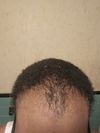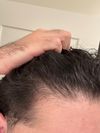
A 24-year-old noticed hair thinning over 4-6 years and is seeking advice on whether it can be salvaged. Treatments mentioned include Minoxidil, finasteride, and RU58841.
A 32-year-old male is considering options to soften a dense transplanted hairline after experiencing accelerated hair loss and intolerance to finasteride and dutasteride, while using minoxidil. He is exploring partial electrolysis or laser treatments to achieve a natural look with a short buzz cut, avoiding a second transplant or scalp micropigmentation.
A 21-year-old is using finasteride and previously used minoxidil for hairline concerns, considering a hair transplant despite no visible balding. They are advised to continue finasteride as a preventive measure.
A study that outlines the full model for androgenic alopecia (AGA) which links DHT to cellular senescence in dermal papilla cells, and suggests black chokeberry as a source of cyanidin 3-O-arabinoside polyphenol with potential anti-oxidant properties that could reverse this process. The post encourages reaching out to experts in anti-aging and longevity to research treatments involving the polyphenol.
Finasteride can increase body and facial hair growth due to increased testosterone, despite its intended use to reduce hair loss on the scalp. Some users consider trying topical finasteride for less systemic impact, while others report mixed results and side effects.
A 27-year-old male using Minoxidil, Finasteride, and dermarolling for hair loss shared blood test results and experienced side effects with Finasteride. Adjusting the Finasteride dosage helped reduce side effects.
A humorous discussion about random, long hairs appearing on the body, with no connection to hair loss treatments like Minoxidil, finasteride, or RU58841. Participants share personal anecdotes about these unusual hairs.
The conversation is about a user planning to undergo a hair transplant and seeking information on clinics that perform Verteporfin treatment. A user suggests Dr. Barghouthi might offer this service.
A user found a successful hair loss treatment using a combination of finasteride, dutasteride, minoxidil, and RU58841. They plan to switch to a purely topical regimen with finasteride, RU58841, and minoxidil.
The conversation discusses hair loss treatments, including finasteride, microneedling, minoxidil, and PTD-DBM. The user has not noticed significant regrowth and is considering cost-effective options like valproic acid.
The user has been using topical minoxidil with tretinoin for 9 months without much regrowth and suspects finasteride is responsible for any improvement. They are inquiring about tests to determine response to topical minoxidil and seeking advice on switching to oral minoxidil, including potential side effects and monitoring requirements.
Cbum's hair transplant is criticized for looking unnatural and not blending well, with some suggesting better results were expected given his resources. Discussions also cover the effects of steroids and finasteride on hair loss and muscle growth.
A 17-year-old male is experiencing genetic hair thinning and is considering using finasteride and minoxidil for treatment. He is frustrated with dermatologists' suggestions of vitamins and seeks advice on effective solutions.
User shared 6-month progress of hairline recovery using oral finasteride and topical minoxidil, asking for current Norwood scale rating. Responses praised impressive results, with estimates ranging from Norwood 1.5 to 3.
The user experienced noticeable hair regrowth after using finasteride for 2 years, oral minoxidil for 1 year, and recently starting dermarolling. The right temple shows significant improvement, while the left remains similar.
PP405 shows initial promise for treating androgenetic alopecia, with safety confirmed in early trials, but skepticism remains due to limited data. Further trials are needed to determine its true efficacy and potential market impact.
Hair restoration after FUE surgery, with discussions on using finasteride, dutasteride, and oral minoxidil for hair maintenance and growth. Users share experiences with these treatments, noting varying side effects and effectiveness.
Selecting a hair transplant clinic requires avoiding pitfalls like prioritizing quantity over quality and aggressive sales tactics. Ensure the clinic uses experienced surgeons and recommends treatments like minoxidil and finasteride before a transplant.
A user experienced significant hair regrowth using finasteride and minoxidil over four years, despite side effects like seborrheic dermatitis, urinary changes, and water retention. They were satisfied with the results and maintained a strong physique.
The user shared their bloodwork results showing DHT at 17 ng/dl and testosterone at 287 ng/dl, with a slight Vitamin D deficiency. They are seeking opinions on these levels and have an upcoming dermatologist appointment.
The conversation is about Brad Pitt's hair and whether he has had a hair transplant or used finasteride. Some users believe that his good genetics and lifestyle choices are responsible for his hair, while others think he may have had cosmetic procedures or used hair loss treatments.
A 34-year-old male has been using a topical minoxidil and finasteride solution for hair loss and was prescribed oral finasteride by a dermatologist. He questions the necessity of monthly consultations since the prescription remains unchanged.
The conversation is about whether testing for free DHT is necessary before starting Finasteride for hair loss, despite having other hormone tests available. One person suggests that genetic response to DHT is more important than DHT levels and advises starting Finasteride without the free DHT test.
Epibiotech will offer off-the-shelf allogeneic hair multiplication treatment in South Korea, using dermal papilla cells from donors to grow hair in balding areas. This method is cheaper and less invasive than traditional hair transplants.
Researching the cause of hair loss and treating it by preventing DHT in the scalp with medication such as finasteride or dutasteride, estrogen, minoxidil, dermarolling, and possible topical antiandrogens.
The user is seeking help with using Ell-Cranell for hair loss treatment. They are unsure about the correct application method and dosage. They also inquire about combining microneedling with topical alfatradiol and question a study that referred to alfatradiol as a hair growth inhibitor in male mice.
The user is considering another hair transplant or scalp micropigmentation (SMP) for a congenital bald spot, but previous transplants were less effective due to scar tissue. Suggestions include using hair fibers, changing hairstyles, or doing nothing, as the spot is not very noticeable.
The user has been using finasteride and minoxidil for hair loss but experienced worsening temple recession. They suspect they might be more sensitive to testosterone and are considering trying RU58841 or CB 03 01 as additional treatments.
The post discusses a theory that hair regrowth after transplant is due to the angiogenesis process (new blood vessels forming), not because the transplanted hair is unaffected by DHT. The responses highlight the established belief in 'donor dominance' (the importance of the hair's origin in transplantation) and skepticism about the new theory.