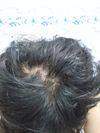
A dermatologist advised stopping minoxidil and trying redensyl serum, while also starting finasteride. Concerns were raised about increased hair loss after stopping minoxidil.
A user shared progress pictures after three months of using 5mg oral minoxidil and 0.5mg oral finasteride, showing significant hair regrowth following a hair transplant. Other users praised the results, discussed similar experiences, and expressed interest in trying oral minoxidil.
A female user is seeking feedback on using topical minoxidil on eyebrows due to eyebrow loss, as oral minoxidil hasn't worked and they avoid Latisse due to potential fat loss.
A 23-year-old is experiencing hair thinning at the crown and mid part, possibly due to vaping, and is using minoxidil, derma rolling, PRGF sessions, rosemary oil, ketoconazole shampoo, and vitamin D3 supplements. They are considering adding finasteride but are concerned about its side effects.
Minoxidil can be used alone to address thinning hair, but it may be less effective without finasteride. Minoxidil increases blood flow and may regrow some hair, but it doesn't block DHT.
The user applies 2ml of a lotion containing 5% minoxidil, 0.3% finasteride, hydrocortisone butyrate, and cetirizine before bed, but it leaves a residue on the scalp. Another user suggests reducing the amount to 1ml, as 2ml results in a high finasteride dosage.
The user must stop minoxidil due to a heart murmur and is considering alternatives like nanoxidil or stemoxydine while continuing dutasteride. Suggestions include adding pyrilutamide and alfatradiol or switching to topical minoxidil at a lower concentration.
A 46-year-old male is considering adding topical dutasteride to his hair loss regimen, which includes oral minoxidil, topical minoxidil, miconazole nitrate, pumpkin seed oil, microneedling, DHT oil blocker, lipogaine, and ketoconazole shampoo. He plans to start with a 0.025% concentration in lipogaine once a week to monitor for side effects.
The user experienced hair regrowth using 1mg oral finasteride, 5% topical minoxidil, derma rolling, 1% ketoconazole shampoo, and a daily balding shampoo/conditioner over three months. They noticed baby hairs and positive changes, attributing early results to minoxidil.
A user's progress with hair regrowth after 3 months of using 1 mg finasteride and 5 mg minoxidil orally, despite some skepticism from other users. The user reports having low blood pressure and feeling fatigued as side effects, but others suggest switching to topical minoxidil for better results with less risk.
A 20-year-old is concerned about temple regrowth using 2.5mg topical minoxidil inconsistently for 5 months and 1mg finasteride consistently for 4 months, considering switching to oral minoxidil for better consistency. They are contemplating derma stamping due to lack of progress and thinning hair, especially at the temples.
An 18-year-old experienced hair regrowth using 5% liquid minoxidil and plans to start finasteride at 19. The user noticed thicker hair and new growth, particularly around the temples, and feels more confident.
A 24-year-old male started using finasteride and minoxidil for hair loss, noticing reduced hair fall but continued temple and frontal recession. He uses both oral and topical minoxidil, biotin, vitamin D, and coal tar shampoo, and experiences rare heart palpitations.
A deoxyribose sugar gel may work as well as minoxidil for hair regrowth by boosting blood supply to hair follicles. Some users discuss combining it with minoxidil and cetrizine, but caution is advised due to potential risks and lack of consistent results.
A 17-year-old is using topical minoxidil for hair loss and is considering other treatments like ketoconazole shampoo and saw palmetto while waiting to start finasteride at 19. Suggestions include using oral minoxidil, topical antiandrogens like RU58841, and CB-03-01, with a focus on minimizing systemic DHT impact.
The conversation discusses the potential benefits of sublingual minoxidil for hair loss treatment. It suggests that sublingual minoxidil, which bypasses the liver, may have fewer side effects, greater bioavailability, and could be more effective than oral minoxidil.
A 23-year-old male experienced good hair growth and increased self-confidence after 10 months of using oral finasteride (1.25mg) and topical minoxidil (5% twice a day), despite no decrease in hair shedding. He also used 1mm microneedling monthly and reported minor side effects like forgetfulness.
The conversation discusses using Minoxidil with Tretinoin and Fexofenadine for hair loss. Some users doubt its effectiveness, noting Fexofenadine's unproven results for androgenetic alopecia.
A 29-year-old shared a 6-month update on using 5% topical minoxidil and occasional dermarolling, reporting improved hair density and a fuller crown. They are considering adding finasteride to their routine but are concerned about side effects.
The conversation is about managing scalp irritation caused by minoxidil use. Suggestions include switching to foam, using fluocinonide topical solution, trying lipogaine for sensitive skin, and considering low-dose oral minoxidil.
A 21-year-old male is using a Minoxidil (10%) and Finasteride (0.1%) topical solution with a Keraglo Men tablet for hair loss, experiencing positive results without side effects. He advises another user to prepare questions for a dermatologist visit and discusses potential treatment adjustments.
A 35-year-old used 5% topical minoxidil for 10 years and started finasteride 8 months ago due to minoxidil's reduced effectiveness over time. The user reports significant hair regrowth with finasteride, despite minoxidil maintaining hair for years.
Minoxidil alone is not enough for long-term hair growth without a DHT blocker like finasteride or dutasteride. Users suggest trying lower doses of finasteride or switching to dutasteride to manage side effects and improve results.
The user shared a 6-month update on using topical minoxidil 5% twice daily and dutasteride 0.5 mg weekly, reporting improved hairline and temple regrowth with no side effects. Microneedling was also mentioned as a helpful addition to the treatment.
Minoxidil alone is often insufficient for significant hair regrowth, with many users experiencing limited results or side effects, leading them to add finasteride or dutasteride for better outcomes. Some users report initial improvements with minoxidil but eventually require additional treatments to maintain or enhance hair growth.
Evaluating the effectiveness of taking oral minoxidil as a hair loss treatment, in comparison to finasteride and topical minoxidil; discussing potential side effects of using oral minoxidil.
A user's 11-month progress using 5mg oral minoxidil for hair loss. The user reported significant hair regrowth, including on the beard and eyebrows, and experienced minor side effects like headaches and increased body hair.
Whether topical caffeine can be as effective for hair growth as minoxidil and finasteride, with various replies discussing the efficacy of these treatments and criticism of Dr. Huberman's research methods.
Oral minoxidil is causing body hair growth but not improving scalp hair, despite using dutasteride and finasteride. Users suggest waiting longer for results, checking vitamin levels, and considering additional treatments like topical minoxidil, dermarolling, and supplements.