The conversation is about a person's hair loss treatment regimen, which includes Minoxidil, low-dose Finasteride, Pyrilutamide, weekly use of a derma roller, and hair loss shampoo. They chose these treatments to minimize systemic effects and plan to share their results for others' benefit.
Creating a carrier solution for topical hair loss treatments using ethanol, propylene glycol or glycerin, and instructions on creating topical finasteride. Different recipes are provided with varying ratios of alcohol to humectant.
Maintaining scalp hair and minimizing shedding, treatments used such as Procapil, supplements, topical caffeine, topical estrogen, and scalp massage; suggestions for anagen extenders or pharmaceuticals to help with a short anagen phase.
A user using finasteride and dutasteride to treat hair loss, but still losing hair rapidly after stopping minoxidil. Replies suggest that the user should try oral minoxidil or switch to dutasteride for better results.
Sulforaphane shows potential for hair regrowth, with users reporting reduced shedding and regrowth. Some users combine it with Minoxidil and finasteride for better results.
Oral minoxidil is considered more convenient and effective than topical or sublingual forms, with users reporting positive results and minimal side effects. Some users experience side effects with oral minoxidil and opt for sublingual or topical methods instead.
CB 03 01 (Breezula) was tried for hair loss but showed no significant improvement, with issues in dissolving and application. Finasteride and dutasteride remain the most effective treatments, while minoxidil is also used; CB's effectiveness is questioned, and topical alternatives like bicalutamide are considered.
A new company is introducing a topical treatment combining Minoxidil, Finasteride, and Bimatoprost for hair loss. Users are also inquiring about updates on a minoxidil-enhancing shampoo from Applied Biology.
The conversation is about managing scalp irritation caused by minoxidil use. Suggestions include switching to foam, using fluocinonide topical solution, trying lipogaine for sensitive skin, and considering low-dose oral minoxidil.
Treatment options for hair regrowth other than minoxidil or finasteride, due to side effects from the latter, with platelet-rich plasma and topical treatments being among the suggested alternatives.
Efforts to find a Canadian dermatologist in the US to prescribe H&W's topical finasteride for hair loss. The user is willing to fund a crowd-share effort to identify prospects.
The user is experiencing breast tissue growth from taking dutasteride and minoxidil, and is considering reducing the dosage or stopping the medication. Suggestions include seeing an endocrinologist, using Raloxifene or Arimidex, and considering topical treatments or surgery if necessary.
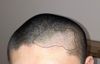
The user is experiencing asymmetrical hair loss at the frontal hairline and is concerned about potential conditions like frontal fibrosing alopecia. They have started using finasteride and pumpkin seed oil to address the issue.
The user is experiencing one-sided diffuse thinning and has been using finasteride and liquid minoxidil for 4-5 years with minimal results. They are considering whether to save for a hair transplant or address scalp sensitivity and irritation first.
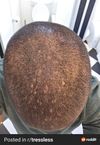
The user noticed small circular hairless spots after a buzz cut and has been using finasteride, dutasteride, and oral minoxidil for hair loss. They are experiencing continuous shedding and thinning, and it is suggested they consult a dermatologist for a scalp examination and possible biopsy to determine if it's alopecia areata or androgenetic alopecia.
The conversation is about treating hair loss without finasteride or dutasteride due to sensitivity causing gynecomastia. The user plans to use pyrilutamide, RU58841, and oral Minoxidil instead.
PP405 is suspected to be a scam, with users doubting its legitimacy and effectiveness. Many recommend using proven treatments like finasteride and minoxidil.
Finasteride and dutasteride have potential risks, including post-finasteride syndrome, but are commonly used for hair loss. RU58841, minoxidil, and needling are suggested as alternatives, though all treatments carry risks.
A user bought Kirkland Minoxidil from a TikTok shop and sought confirmation of its authenticity through a bleach test, which some users warned could be dangerous. Many participants advised against buying from TikTok due to the risk of fakes, suggesting alternatives like buying from Costco or reputable online pharmacies.
RU58841 may pose cancer risks due to its antiandrogen properties and lack of long-term safety data. Using it is considered a high-risk experiment with unknown potential for harm.
The conversation discusses concerns about microneedling potentially causing damage before a hair transplant, with users sharing their experiences and techniques. Specific treatments mentioned include using a dermapen at various depths and speeds, with some users advising against self-treatment.
Switching from topical to oral minoxidil and whether to continue microneedling. Users suggest using a derma stamp instead of a roller for better results and safety, and some recommend combining it with oils like rosemary.
Researchers at the University of Virginia discovered a new group of stem cells in hair follicles that could potentially restore hair growth. The findings suggest that activating these stem cells might offer a new way to combat hair loss, though practical treatments are still years away.
A user stopped using RU58841 after discovering their girlfriend's unplanned pregnancy, expressing concern about potential harm to the baby. Others advised consulting a doctor, waiting for health scans, and considering switching to oral finasteride or natural supplements like saw palmetto.
RU58841 is used topically to prevent hair loss by blocking DHT, with suggestions to drink grapefruit juice, take breaks, avoid microneedling, and use lower concentrations to reduce side effects. Users discuss applying it at night to minimize systemic absorption.
Minoxidil may improve or worsen skin quality, with topical forms causing dryness and wrinkles, possibly due to alcohol content, while oral forms have fewer side effects. Some users consider using tretinoin to mitigate negative effects.
The user is considering minoxidil, clascoterone, and fluridil for hair loss, avoiding finasteride and RU58841. They are also contemplating a hair transplant and exploring the resilience of transplanted hair without finasteride.
The user discusses using dutasteride to stop hair loss and bimatoprost for regrowth. They plan to use VEGF with hydrogels for potentially permanent hair follicle improvement and suggest PRP as an alternative.
Creatine may accelerate genetic hair loss, but stopping it can reverse the effects. Finasteride helps block DHT, and some users report no issues taking both daily.