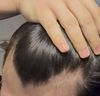
Vitamin D supplementation can aid hair regrowth for some, but results differ. Combining vitamin D with finasteride and minoxidil often improves hair thickness, though not for everyone.
User shared 4-month progress on hair loss treatment using 0.25mg finasteride daily and topical minoxidil daily, noting cognitive decline possibly linked to finasteride. Users discussed side effects, alternative treatments, and shared similar experiences.
A user successfully maintained hair using fluridil, alfatrodial, minoxidil, and ketoconazole shampoo after experiencing side effects from finasteride. They question why this combination isn't more popular despite its effectiveness.
The user is considering using "Grow Gorgeous Intense Hair Density Serum" alongside Minoxidil and is currently taking Finasteride. Some users doubt the serum's effectiveness, while others suggest it may help with hair strength and thickness, but opinions are mixed.
The user is pleased with hair regrowth after taking daily tablets of 1.1 mg finasteride, 3 mg minoxidil, and 2.5 mg biotin for 3 months, with no side effects and some light shedding. The most noticeable improvement is at the crown, which was the main concern.
Kintor is producing a cosmetic with KX826, starting at 0.5% concentration and moving to 1%. The 0.5% concentration wasn't as effective as minoxidil and finasteride, but the 1% concentration shows promise.
The conversation discusses hair loss treatments, specifically Minoxidil, finasteride, RU58841, and Sulforaphane supplements. Two brands of Sulforaphane supplements, Avmacol and Prostaphane, are mentioned with optimal dosages.
The conversation discusses using oral castor oil as a hair growth stimulant for beard and scalp hair. One user questions its use, noting castor oil is typically a laxative in the Philippines.
An 18-year-old is maintaining a stable hairline using Minoxidil, topical finasteride (Fynzur), and Dermastamp, and is considering adding oral finasteride for prevention. They seek advice on whether starting oral finasteride early is necessary given their family history and current regimen.
The conversation discusses the importance of taking vitamin D with food for better absorption and its potential role in hair loss. Some users also suggest taking vitamin D with K2, getting sunlight, and using finasteride for hair loss treatment.
User experienced hair loss after weight loss and started using finasteride 1mg and a multivitamin called HAIRGRO. They noticed increased oily skin and sebum production and are unsure if they should continue the multivitamin.
The conversation discusses hair loss linked to BDNF-increasing nootropics like Semax and Lions Mane. Suggested topical treatments include capsaicin, beta-glucan, and ginseng to counteract TGF-B activation.
The conversation discusses using TH16, a topical melatonin with resveratrol, and stemoxydine for hair maintenance, avoiding finasteride and minoxidil due to side effects. The user is considering a low-dose topical finasteride despite sensitivity.
Dutasteride, taken every other day with vitamin and mineral supplements, successfully increased crown hair density without side effects after seven months. The user plans to leave the subreddit after achieving desired hair regrowth.
The user has been using a hair regrowth regimen for 9-10 months, including topical finasteride and minoxidil, various oils, and supplements like multivitamins and omega-3. They observed fine hairs returning and a change in scalp texture after adding cinnamon oil, questioning if this indicates positive hair regrowth.
Cyclosporine A is discussed as a powerful hair growth stimulant, potentially more effective than minoxidil, but concerns about safety and side effects, including cancer risk, limit its use. The conversation highlights the need for further research and experimentation with topical application, despite its risks.
User reports 3-month progress using daily 1mg finasteride, 0.5ml minoxidil (2x daily), 0.5ml dutasteride, and derma rolling 0.5mm 1-2 times per week. They see increased density on crown and top of head, slight progress in corners and temples, and recently added cosmerna.
User shared progress on crown regrowth using Minoxidil Foam, oral Minoxidil 2.5mg daily, and Finasteride 1mg daily. They experienced initial headaches with oral Minoxidil, had a hair transplant, and are seeing regrowth but with thin hairs.
A user successfully stopped balding by switching from topical to oral minoxidil, finasteride, and biotin, noting significant improvement after a year. They emphasize the importance of oral finasteride and consistent use for hair regrowth.
A female user with chronic anemia and vitamin deficiencies is experiencing finer, straighter hair and seeks recommendations for scalp products to improve circulation and prevent potential hair thinning. She is considering growth oils but is unsure of their effectiveness.
Adding caffeine to topical minoxidil is unlikely to enhance its effectiveness, with most users agreeing it has minimal impact. The main treatments discussed are minoxidil and finasteride, with some users adding other ingredients like azelaic acid and retinol.
The conversation is a humorous and hopeful prayer for the effectiveness of finasteride in combating hair loss. Participants express gratitude and support for the treatment.
The conversation discusses a topical finasteride therapy with hydrocortisone butyrate, estrone base, and breviline. A user suggests oral finasteride as a superior option.
Hair loss prevention and regrowth regimen includes finasteride, oral minoxidil, stemoxydine, hair growth serum, derma rolling, and ketocanazole shampoo. Users discuss efficacy, safety, and personal experiences with treatments.
A new hair loss treatment, PP405, is moving from phase 2A to 2B in clinical trials, sparking discussions about its potential to regrow dormant hairs and its impact on existing treatments like Minoxidil and finasteride. Some users express skepticism, while others are hopeful about its future effectiveness.
Pirfenidone is suggested to treat fibrosis and baldness by blocking inflammation markers and reducing collagen. It is also available as a gel for scar removal.
The conversation discusses hair loss treatments, including minoxidil, finasteride, biotin, folic acid, zinc, micro-needling, niacin, and cipaxil, with the user preparing for a hair transplant. The user experiences side effects with topical finasteride and is hesitant to try oral dutasteride.
A user in their mid-30s experienced unexpected hairline regrowth after starting a new supplement stack, despite being on a regimen of finasteride, minoxidil, and Nizoral for over four years. The new supplements include Tongkat Ali, Fadogia Agrestis, Panax Red Ginseng, Vitamin B1, Vitamin D3, Zinc Picolinate, Magnesium Glycinate, Maca, and L-Citrulline.