Search
for
Sort by
Community Join
600-630 / 1000+ resultscommunity Hair Restoration Log (Weekly 1.5 mm microneedling + QOD 0.5 mg Finasteride + Daily 50 mg 5% RU58841)
The user experienced side effects from daily 1 mg Finasteride and switched to 0.5 mg every other day, supplemented with creatine, tongkat ali, tribulus terrestris, vitamin D3, bromantane, l-tyrosine, and caffeine. They also use weekly 1.5 mm microneedling and daily 50 mg RU58841, except on microneedling days, to manage hair loss.
community PP405 mechanism question - looking for discussion
PP405 may promote short-term hair growth by pushing follicles into the growth phase, but concerns exist about long-term effects due to lack of rest phases. Users discuss various treatments like finasteride, minoxidil, spironolactone, alfatradiol, and investigational drugs like KX-826 and GT20029 for hair maintenance and regrowth.
community Different Topical Dutasteride Formulations
The conversation discusses the best vehicle for topical dutasteride, comparing Trichosol, Transcutol, and a gel version. It also mentions using Transcutol with ethanol to enhance transdermal delivery of Bimatoprost.
community Farmacia Tristaina’s alfatradiol scam?
community Why do you take finasteride instead of dutasteride and also vice versa
Finasteride is preferred for its shorter half-life and FDA approval, while dutasteride is seen as more effective but not FDA-approved for hair loss. Many combine these with minoxidil for improved results, though side effects and effectiveness vary.
community Dutasteride Mesotherapy in America
The conversation is about finding providers for Dutasteride Mesotherapy in the US, which is more common in Europe. The user is asking if any mesotherapy/PRP clinic could offer it if they provide the Dutasteride.
community Duastride 0.5 mg Side Effects: Should I Switch to Finasteride?
OP experienced erectile dysfunction after taking a 0.5 mg dutasteride capsule for hair loss and is considering switching to finasteride. A user suggested consulting a dermatologist and possibly trying topical treatments if side effects persist.
community RU55841 premixed solution vs powder
RU58841 treatment for hair loss, comparing premixed solutions to powder form. Users prefer powder for cost-effectiveness and customization.
community treatment of Bicalutamide low dose weekly?
The conversation is about using bicalutamide, taken less frequently than daily, for hair loss treatment. The user is considering 50mg every 3 days or once a week and is asking for others' experiences.
community Transitioning off daily Oral Dutasteride (0.5mg) for long-term (multi-decade) maintenance. Which protocol is best?
community Combining Topical and Oral Finasteride
The user is considering combining 1mg oral finasteride with 0.1% topical finasteride due to reduced effectiveness after 5 years and is also using minoxidil twice daily. They previously tried dutasteride but stopped due to side effects and are hesitant to try RU58841.
community Dutasteride Once a week plus finasteride other days
The conversation discusses using 1 mg finasteride daily and adding 0.5 mg dutasteride once a week to improve hair loss results. The user is curious if this combination is more effective than finasteride alone.
community Fluridil/Eucapil UAE customs regulation
A user in the UAE is facing customs issues with ordering Fluridil (Eucapil) and is considering ordering smaller quantities or switching to Pyrilutamide. They are also using finasteride daily to maintain hair and are unsure of Fluridil's effectiveness.
community Topical solution recommendation
The user is using finasteride 1mg every other day and seeks a topical solution to complement it, excluding minoxidil. They are considering various combinations of ingredients like finasteride, dutasteride, and tofacitinib, with options for nourishing oils and other additives.
community M21 Topical Finasteride Help?
A user is seeking advice on applying topical finasteride due to absorption issues after stopping oral finasteride because of side effects. Suggestions include using a dropper, parting hair, massaging, and trying foams or sprays.
community Looking for 1.5mm Cartridges for Dr Pen M8s, Preferably on Amazon
The conversation is about finding 1.5mm cartridges for a Dr. Pen device, with a preference for purchasing through Amazon. The discussion does not mention specific hair loss treatments like Minoxidil, finasteride, or RU58841.
community When should we get the next news about PP405
Results for PP405 are expected next year, with concerns about its pricing and potential black market availability. Some users believe it may be slightly more effective than finasteride and dutasteride, and combining it with treatments like minoxidil and microneedling could be beneficial.
community Maintenance dose of Finisteride
Low doses of finasteride, even as low as 0.25 mg, can effectively prevent hair loss without significantly lowering DHT levels. Combining finasteride with natural DHT-lowering solutions may achieve similar results to higher doses.
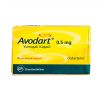
community DUT 0.5mg I need help from the experienced please!
The user is considering starting dutasteride (DUT) 0.5mg for hair loss due to lack of access to finasteride and is concerned about potential side effects. They seek guidance on whether to begin this treatment.
community 22 Months Treatment update - fin/dut/min
community Results of 9 1/2 months of finasteride 1mg daily and 0.5mg dutasteride weekly along with RU58841 daily and microneedling weekly
Finasteride and Dutasteride used in combination with RU58841 and microneedling, as a treatment for hair loss. There was discussion on progress of the treatment and potential other methods to consider.
community Will PP405 work if even dutasteride / fin failed to halt hair loss?
The conversation discusses the ineffectiveness of dutasteride in halting hair loss for the user and explores the potential of PP405, which works through a different mechanism. Suggestions include considering a biopsy to determine the cause of hair loss and exploring other treatments like RU58841.
community Hydrophobic Finasteride. Why don’t we have it?
The conversation discusses the potential benefits of creating a hydrophobic version of finasteride to reduce systemic side effects while maintaining scalp health. It compares this idea to fluridil, which is designed to be hydrophobic and has less systemic absorption.
community Progress - one year with fin 1mg (oral) and min 5% foam (topical)
community Topical solution recommendation
The user is using finasteride 1mg every other day and seeks a topical solution excluding minoxidil. They are considering various combinations of ingredients like finasteride, dutasteride, and tofacitinib, with options for nourishing oils and other additives.
community Je peux utiliser ce produit seul comme solvant pour dilluer mon finasteride ?
OP asked if a product from Amazon is sufficient to dilute finasteride. A user advised against using propylene glycol alone, suggesting a pre-made solution instead.
community The fact 2.5mg Dutasteride pills don't exist is f*cking ridiculous (RANT)
The conversation discusses the frustration over the unavailability of 2.5mg dutasteride soft gels, with some users suggesting higher doses for better scalp DHT suppression. Concerns about side effects and the necessity of DHT are debated, with some users advocating for alternative treatments like RU58841 and oral minoxidil.
community Reducing Fibrosis in Hair Loss: Topical Pirfenidone
Topical pirfenidone is highlighted as an effective anti-inflammatory and anti-fibrotic treatment for hair loss, particularly in addressing perifollicular fibrosis, which may enhance the effectiveness of standard treatments like finasteride and minoxidil. The user also uses calcipotriol, MCT oil, ciclopirox shampoo, and benzoyl peroxide shampoo as part of their regimen.
community 2.5% topical fin too high?
The conversation discusses starting topical finasteride for hair loss, with concerns about high dosages. It suggests starting with a lower concentration, like 0.1% or 0.3%, especially with liposomal versions.