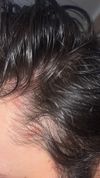
A user shared their 3-month progress using finasteride, minoxidil, ketoconazole, dermaroller, coconut oil, and rosemary oil for hair loss. They reported improvements in their hairline and crown.
The user shared their 3-month progress using Minoxidil, Finasteride, rosemary oil, and dermarolling, reporting no side effects and healthier, thicker hair. They recommend these treatments and plan to complete their hairline in 6-9 months.
The user is experiencing increased hair shedding while using finasteride and RU58841, possibly due to changes in application methods. They are considering adding minoxidil and stemoxydine to their regimen to improve results and manage hair greasiness.
The user is seeking Malassezia-safe treatments for hair loss and currently uses a baby shampoo, a scalp tonic with antifungal ingredients, and aloe gel. They consider using Kirkland Minoxidil 5% drops and possibly consulting a doctor about Finasteride.
A user plans to create a custom topical solution by adding finasteride, caffeine, cetirizine, and melatonin to a minoxidil bottle, questioning the stability and effectiveness of this mix. Concerns include potential crystallization and solution muddiness with added ingredients.
The user is using topical finasteride and minoxidil for hair loss and is considering adding rosemary oil, castor oil, and stemoxydine to their routine. They are asking if anyone has experience with this combination or a similar one.
A user is asking about the effectiveness of "Minoxidil tincture 5% Purified Water" compared to other Minoxidil 5% products. They experienced itching and redness with other Minoxidil products and suspect they might be allergic.
The conversation discusses Breezula, a hair loss treatment, and its Phase 3 clinical trial recruitment at 50 locations. Specific treatments mentioned include Minoxidil, Finasteride, and RU58841.
The conversation is about the best vehicle for RU58841, comparing trichosol and Garnier/Vichy Stemoxydine, avoiding propylene glycol (PG) or ethanol due to previous scalp damage. The user is also seeking sources for these products in the EU.
A 29-year-old male is experiencing positive hair regrowth after 3 months using oral finasteride (1mg) and topical minoxidil (1ml twice daily), despite side effects like scalp itchiness and dandruff. He plans to continue the treatment long-term and may switch to foam minoxidil to alleviate scalp issues.
Breezula's effectiveness is uncertain, with some users skeptical about its potential and others noting its recent availability on the grey market. A user reported success with a stack of Dutasteride (oral), Minoxidil (topical), and RU58841 (topical), achieving significant hair improvement after 18 months.
A user is trying to make a topical finasteride solution by crushing tablets into ethanol and glycerin but struggles with spillage. Suggestions include letting the tablets dissolve in the solution or using a pill crusher for efficiency.
.
This user experienced positive results from using a combination of minoxidil and finasteride, with no reported side effects after two months. Others have also shared their experiences with both short-term and long-term use of finasteride.
A user reported hair thickening and a stronger crown after using rosemary shampoo for about a year, with progress pictures as evidence. Some commenters discussed the effectiveness of natural treatments versus pharmaceutical options like Minoxidil and Finasteride.
The user is using Dutasteride and oral Minoxidil for hair regrowth and is considering adding topical Minoxidil but is allergic to propylene glycol, which is present in the product they found. They need a solution with tretinoin that does not contain propylene glycol.
The conversation discusses various hair loss treatments, including Breezula, KX826, and PP405, with mixed opinions on their effectiveness compared to finasteride and minoxidil. Some users express skepticism about the new treatments, while others remain hopeful about future developments.
Breezula (clascoterone) initially performed better than finasteride for hair loss but then effectiveness decreased almost back to baseline after 6 months, raising questions about its strength.
User reports thicker, darker, and healthier hair after 3 months of using Hims chewable tablets containing 3mg minoxidil and 1.1mg finasteride. No significant regrowth in receding areas; previous use of rosemary oils and biotin pills showed no results.
OP is considering making a 5% topical Clascoterone (Breezula) for hair loss, as they use Minoxidil but can't use Finasteride due to side effects. They seek advice on creating the topical safely, possibly with help from a trained chemist.
The user wants to try using 0.025% topical finasteride every day by diluting their 0.1% topical finasteride with alfatradiol, and is asking if it's possible to mix them or if there are other options. They heard that alfatradiol might not be suitable for this purpose.
The conclusion of the conversation is that the user has experienced significant hair regrowth using a mixture of oils, including rosemary essential oil, peppermint essential oil, and carrier oils like castor oil or jojoba oil. The user also clarifies that both pictures were taken with damp hair.
Rosemary oil and peppermint oil may promote hair growth and increase cutaneous blood flow, showing promise as treatments for androgenetic alopecia. Minoxidil 2% is also used for treating hair loss.
The user is experiencing scalp irritation and hair thinning, possibly due to stress, with red patches on the face and dry skin. They are considering seeing a dermatologist and have used tea tree and rosemary oil.
The user started using Finasteride and Minoxidil for hair loss and is questioning the effectiveness of additional products like caffeine shampoos. Another user suggests using RU58841 for added benefits.
A user is starting a hair loss treatment with a 3-in-1 spray containing finasteride, minoxidil, and tretinoin. They are concerned about whether to continue shaving their head and how to determine if hair follicles are dead.
A female user is considering using RU58841 with minoxidil 2.5% to reduce side effects like facial hair from minoxidil 5%, while also using copper peptides and a hair serum. Other users discuss alternative treatments like spironolactone, alfatradiol, and the side effects of finasteride.
A 28-year-old male experienced hair regrowth using a topical spray containing minoxidil, finasteride, and tretinoin, along with occasional microneedling, after stopping oral finasteride due to side effects. He is pleased with the progress after three months and plans to continue using the spray.
Adding non-prescription topicals like alfatradiol and Zix to a standard fin/min/niz regimen may help with scalp inflammation and shedding, but their long-term effectiveness varies. Zix is recommended for reducing scalp inflammation and enhancing the effectiveness of other treatments.