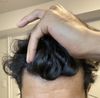
The conversation discusses using minoxidil, vitamins, and microneedling for hair loss treatment over two months. Users inquire about the specific vitamins used and the ease of microneedling.
A 38-year-old man reports positive results using topical Minoxidil 5% and infrared therapy for hair regrowth over four months, along with Saw Palmetto and Pumpkin Seed Oil supplements. Others suggest adding Finasteride for better maintenance and discuss the role of DHT blockers.
The post discusses a user's successful hair recovery using minoxidil, finasteride, and hormone replacement therapy (HRT) with cyproterone acetate and estradiol. The user experienced significant improvement in hair density and hairline recovery.
The conversation discusses hair regrowth using finasteride, minoxidil pills, micro-needling, and Nizoral (ketoconazole) shampoo. Users suggest giving treatments at least a year to show results, with some recommending stronger treatments like dutasteride or a hair transplant.
A user's progress with hair loss treatments, including minoxidil, microneedling, nizoral 2%, finasteride 0.5mg/day and 0.5mg/ml per day in minoxidil, as well as RU58841 purchased from Anagen Inc., which allowed the user to go outside without a hat or cap for two years.
The user is experiencing scalp irritation from using RU58841 with a 70% ethanol and 30% propylene glycol vehicle and is considering switching to a less irritating vehicle, such as 30% ethanol with 70% squalane or emu oil. They are seeking feedback on the effectiveness and irritation levels of these alternative carriers.
A 38-year-old man using minoxidil, tretinoin, and microneedling for hair loss is considering adding finasteride to his regimen. He is concerned about potential effects on beard growth but seeks advice on whether to add finasteride now or wait.
The user is experiencing scalp itching from a PG ethanol base in their hair loss treatment, which includes 0.025% finasteride and 2.5% minoxidil, and is seeking alternatives without PG or ethanol. Suggestions include Zeuss non-PG foam and Ulo, which do not use PG or hydrocortisone.
The user has been using finasteride inconsistently for 2 years and minoxidil for 6 months without seeing hair growth. They are considering switching to dutasteride and restarting minoxidil to address thinning at the right temple, with advice suggesting consistent use for better results.
The user is experiencing hair thinning and increased hair fall, and is considering using minoxidil for 3-4 months but is concerned about the long-term commitment and potential hair loss after stopping. They have tried multivitamins, serums, and shampoos, and are hesitant about starting PRP treatment.
The user has been using 0.25 mg of finasteride daily for 5 months to address hair thinning and is seeking advice on whether to continue this regimen or adjust it. They have not used minoxidil and are considering whether finasteride alone can stabilize or improve their hair condition.
The conversation discusses starting Minoxidil for hair loss and suggests also using finasteride to prevent further balding. Minoxidil is expected to thicken current hair, but won't stop hair follicles from dying.
The user is experiencing hair thinning and is considering using minoxidil and finasteride. They are seeking advice on where to purchase these treatments and whether to start with topical or oral minoxidil.
Asteride into your routine
In this conversation, the user Icy-Indication267 was asking when they should start finasteride to treat their hair loss, which had responded well to minoxidil after two months. Other users shared advice on incorporating micro-needling and topical finasteride into their routine for optimal results.
PP405 is a promising molecule that may reactivate dormant hair follicles, potentially offering a new treatment for hair loss. It is in phase 2 trials, with possible availability between 2027 and 2030.
The user applied minoxidil and finasteride topically for hair regrowth, experiencing significant results but stopped finasteride due to side effects. They later added stevia to minoxidil, noticing potential improvement in hair density, particularly at the front.
The user has been on finasteride for 5-6 years but is experiencing diffuse thinning and considering adding minoxidil. They are cautious about increasing the finasteride dosage due to side effects and are exploring if minoxidil can help when finasteride's effectiveness decreases.
Hair loss treatments ExoFlo and XoFlo use exosomes from stem cells to stimulate hair growth. The user seeks feedback on results from those who tried these treatments.
Stopping minoxidil for 10 days due to eye surgery, with concerns about hair loss. Most responses suggest a short break won't significantly impact hair, and emphasize prioritizing eye health.
The conversation discusses using Rogaine (minoxidil foam) for hair loss, with questions about enhancing its effectiveness with tretinoin or retinol and incorporating dermarolling. The user has been using finasteride for 7 years and is considering starting minoxidil despite concerns about shedding.
Wait 12-24 hours after dermarolling before applying topical finasteride or minoxidil to minimize irritation and allow skin recovery. If irritation occurs, space treatments further apart.
The user experienced significant hair regrowth using topical Minoxidil and Finasteride but had to stop due to high liver enzyme levels. They plan to pause treatment for a month to see if their liver values return to normal.
Topical finasteride in the UK is sought after due to concerns about the strength and cost of Hims products. There is also interest in whether crushing finasteride pills into minoxidil is effective.
A transgender individual began MTF HRT with estradiol and spironolactone at 39 and is monitoring hair regrowth before starting minoxidil. They are hopeful about not needing wigs permanently.
A 19-year-old plans to use an experimental hair loss treatment stack including micro-needling, Minoxidil, Pyrilutamide, Ketoconazole shampoo, and other unreleased compounds like PP405. Users advise against using unverified treatments and suggest sticking to proven options like Finasteride, with some recommending topical application to avoid side effects.
A 47-year-old male experienced mixed results with hair loss treatments using finasteride and oral minoxidil. After reducing dosages and adding creatine, he noticed shedding, but switching back to higher doses and changing to pea protein may help regain progress.
Mixing RU58841 with minoxidil compounded with tretinoin is discussed, with concerns about systemic absorption. Topical dutasteride and finasteride are also mentioned as treatments, with varying personal experiences and concerns about side effects.
The user follows an intensive hair loss protocol including dutasteride, biotin, black tea, pumpkin seed oil, peppermint shampoo, rosemary conditioner, mukemame, soy milk, lycopene, garlic, magnesium, chamomile, spicy food, citrus bergamot, zinc, multivitamins, kefir, and Greek yogurt. They plan to alternate between pumpkin seed oil and safflower oil and will share before and after pictures.