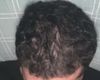
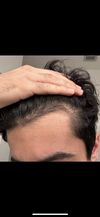
Minoxidil can cause scalp flaking and dryness, often due to its alcohol content. Switching to foam minoxidil or using antifungal shampoos like Ketoconazole may help reduce these side effects.
PP405 might take 3-4 years to be available, but some claim Everychem offers a similar product, though its effectiveness is debated. Users discuss the risks of using untested grey market products and the potential for adverse effects.
A 41-year-old has been using finasteride for 16 years with great results but is now experiencing temporal hair loss. Suggestions include switching to dutasteride, adding oral minoxidil, and considering a combination of treatments, while noting that supplements and weightlifting likely don't interfere with finasteride's effectiveness.
Beard gains from minoxidil are usually permanent due to facial hair follicles' lower sensitivity to DHT. Scalp hair requires ongoing DHT suppression with treatments like finasteride, dutasteride, and RU58841 to maintain gains after stopping minoxidil.
The user is considering using Minoxidil and Tretinoin to manage hair loss while waiting for Breezula/PP405, as they cannot tolerate dutasteride or finasteride. They hope these treatments will help retain hair despite ongoing loss.
Switching to a DIY topical finasteride solution using ethanol, glycerin, and distilled water instead of propylene glycol for a gentler application. Users report positive results with both DIY solutions and a low PG minoxidil and finasteride product from India.
The user has been using oral finasteride and topical minoxidil for over three years without regrowth, despite reduced hair loss. They are hesitant to try oral minoxidil and dutasteride due to potential side effects and cost, and have not found success with tretinoin or microneedling.
The conversation is about finding a source for Alfatradiol 0.1% as most available products are 0.025%. A suggestion was made to use four times the dosage of the 0.025% product.
The conversation discusses the potential effectiveness and risks of using topical finasteride for hair loss, with considerations about using DMSO as a vehicle for application. Concerns are raised about DMSO's safety, absorption issues, and the systemic effects of topical finasteride.
Prolonged use of topical minoxidil and finasteride can lead to neuroendocrine and autonomic dysfunction, causing severe sensitivity and side effects. Recovery involves avoiding these treatments, supporting neurosteroid recovery, calming the sympathetic system, and rebuilding scalp health naturally.
A 23-year-old male using minoxidil once daily is concerned about hair loss and hesitant to use finasteride due to potential side effects. Suggestions include adding finasteride, exercise, cold showers, spicy food, infrared exposure, sunbathing, and tretinoin.
Shedding for a few months is normal when starting 1mg finasteride and 2.5mg minoxidil. It indicates the treatments are working, and hair growth should stabilize over time.
The user has been using oral minoxidil, finasteride, and ketoconazole for hair loss but feels their condition has worsened over six months. They are considering whether to continue with the current treatment or try additional methods.
The user is considering switching from a 5% minoxidil and 0.1% finasteride mix to a combination of 5% minoxidil, 0.1% finasteride, 0.01% tretinoin, and 1.5% azelaic acid due to low regrowth success. They are seeking advice on whether to use the new mix at night and continue the old mix in the morning or try oral minoxidil in the morning.
KX-826/pyrilutamide is undergoing an additional one-year safety and efficacy trial in China after a six-month study. Some participants speculate on the reasons for the extended trial and discuss the potential of other treatments.
A transgender individual began MTF HRT with estradiol and spironolactone at 39 and is monitoring hair regrowth before starting minoxidil. They are hopeful about not needing wigs permanently.
The user has been using finasteride and minoxidil for 11 months but experienced hair thinning after adding topical dutasteride. They plan to continue with Lipogaine, finasteride, and a reduced frequency of topical dutasteride, along with dermarolling and biotin.
Specialist_Soup_2289 is experiencing severe hair shedding despite using finasteride, dutasteride, and oral minoxidil. They hope for regrowth but are currently shedding a lot of hair.
The user is using a combination of hair loss treatments including dutasteride, minoxidil, RU58841, low-level laser therapy, ketokonozole, supplements, Viviscal, Nutrafol, microneedling, PRP, and scalp Botox injections, but is still experiencing hair shedding and thinning. Despite being on this regimen for two years, the user's hair condition is worsening, and they are seeking advice on what else they can do.
The discussion is about whether to continue reducing finasteride dosage with already low DHT levels. Treatments mentioned include minoxidil, finasteride, and RU58841.
The user has been on finasteride for 18 months and experienced significant hair shedding after increasing minoxidil dosage, which has not stopped despite reducing the dosage. They are concerned about the effectiveness of finasteride and whether minoxidil triggered ongoing hair loss, compounded by personal stress and trauma.
The user has been using finasteride for 8 years and started using minoxidil foam 5% twice daily with micro-needling since May 2025. They experienced significant shedding starting in July and are seeking information on how long the shedding will last and when to expect positive results.
The conclusion of the conversation is that the user, AdamC11, has been using finasteride (0.5mg daily) and topical minoxidil for 2.5 years and has seen good progression and maintenance with no negative effects. They plan to continue with their current treatments as long as their hair holds, and will consider more potent treatments if they start losing ground.
The user switched from minoxidil to a homemade 2-deoxy-d-ribose gel and noticed no hair fall after two weeks, despite stopping minoxidil. The gel includes water, 2-deoxy-d-ribose, vegetable glycerine, 2-phenoxyethanol, sodium alginate, and rosemary oil, and the user reports healthier-feeling hair.
A user shared a 3.5-month hair loss treatment progress using topical Minoxidil, Finasteride, and RU58841, noting improved confidence and satisfaction with the results. Other users congratulated and praised the progress shown in the pictures.