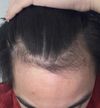
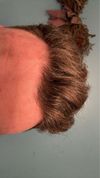
A drug that regrows body parts, but not hair, sparking debate on hair loss treatments. Discussions include the use of finasteride, dutasteride, and the potential for new methods to restore hair.
A 25-year-old has been using finasteride for about 8 months, noticing significant hair thickening and reduced hair loss, with no side effects. They recently started micro-needling and plan to begin using minoxidil.
A 33-year-old man is experiencing positive hair regrowth after 3 months on 1mg finasteride, 2 months on 5% minoxidil, and 1.5 months of derma rolling. He is hopeful for further progress and considering additional treatments like dutasteride and microneedling.
The user experienced significant hair regrowth and improved hair health using topical minoxidil, oral finasteride, microneedling, and ketoconazole shampoo. Other users discussed the effectiveness and side effects of finasteride, dutasteride, and RU58841, with some expressing concerns about potential side effects.
Scalp massaging for hair loss hasn't shown significant changes yet, but the scalp is more flexible. Combining treatments like minoxidil, tretinoin, dutasteride, inversion, microneedling, and a good diet might enhance results.
Hair loss can cause psychological distress, but maintaining optimism and self-improvement is crucial. Treatments like minoxidil, finasteride, and potential new options like clascoterone offer hope, though side effects can occur.
Be skeptical of claims about new baldness cures; current treatments like finasteride, dutasteride, and minoxidil remain the best options. New products like Breezula and PP405 lack compelling evidence and may not be available soon.
The user is discussing their hair regrowth progress after using oral Minoxidil (2mg daily) and Finasteride (1mg daily) for about five months, along with support supplements like Vitamin D, Biotin, and Omega 3. Suggestions include replacing Finasteride with Dutasteride and increasing Minoxidil dosage, while also considering microneedling and scalp massage for better results.
The user experienced significant hair regrowth and increased density after six months of using 0.5mg Dutasteride, 5% Minoxidil foam, and Olly hair gummies daily. The user plans to discontinue the gummies, believing the medications are primarily responsible for the improvement.
The user experienced positive hair regrowth after 4-5 months using oral minoxidil (10mg) and finasteride (1mg) without side effects. Concerns were raised about the high dosage of minoxidil and potential long-term health risks.
Scalp tension from the occipitalis muscle is theorized to contribute to hair loss, but most believe DHT and genetics are the main causes. Treatments like finasteride and minoxidil are considered more effective than addressing scalp tension.
The user experienced noticeable hair regrowth after starting dutasteride and minoxidil in mid-November. Despite mixed opinions, many users encouraged patience and consistency with the treatment.
Significant hair regrowth was achieved after 4.5 months using 0.5 mg Dutasteride and 5 mg oral Minoxidil. Tips on obtaining prescriptions and discussions on effectiveness and side effects were also shared.
Diffuse thinning is often due to androgenetic alopecia, and DHT blockers like finasteride are recommended. Treatments mentioned include minoxidil, finasteride, dutasteride, and RU58841, with emphasis on starting early and using a holistic approach.
Dutasteride is more effective than finasteride for hair loss, especially at the crown and midscalp, but both have similar side-effect profiles with low incidence of sexual adverse events. Improvement is measured visually, and significant results may take over 12 months to appear.
A user shared their 12-month update after a 1600-graft hair transplant in Korea, with mixed reactions about the necessity and results. The user is not currently using minoxidil or finasteride but plans to consult a doctor about it.
The conversation discusses using Rogaine (minoxidil foam) for hair loss, with questions about enhancing its effectiveness with tretinoin or retinol and incorporating dermarolling. The user has been using finasteride for 7 years and is considering starting minoxidil despite concerns about shedding.
A 25-year-old male experienced significant hair loss due to telogen effluvium and androgenetic alopecia. He began using finasteride, minoxidil, and vitamins, seeing some regrowth but remains worried about hair density.
The user experienced noticeable hair regrowth and darker beard after one month of using 1mg finasteride and 2.5mg minoxidil daily, with no side effects reported. They also started derma rolling two weeks ago and plan to continue the treatment for further results.
A 24-year-old experienced improved hair growth using 5% minoxidil, 1 mg finasteride, and dermastamping, but faced side effects like low libido and mild erectile dysfunction. They plan to reduce finasteride dosage after full results and may consider a hair transplant if thinning recurs.
The conversation is about a user massaging their scalp for 123 days to address hair loss, with mixed opinions on its effectiveness. Some suggest using minoxidil and finasteride for better results.
Black individuals may embrace baldness better due to less contrast between hair and skin. Finasteride is suggested for hair loss management, and natural styles like buzz cuts are recommended.
A user successfully regrew hair using 1mg finasteride, switching to 0.5mg dutasteride, and maintaining 5mg oral minoxidil, with significant improvements noted after switching to dutasteride. The user experienced shedding phases but ultimately achieved regrowth and is now comfortable without wearing a hat.
The user experienced worsening hair loss despite using finasteride and topical minoxidil for two years and is considering oral minoxidil and dutasteride. Suggestions include microneedling, stress management, and alternative treatments like topical finasteride or ketoconazole shampoo.
A user shared progress pictures after using 1 mg finasteride and topical minoxidil for six months, hoping for further improvement by the one-year mark. The user reported no side effects and uses Head & Shoulders shampoo.
The user shared hair regrowth results after 6 months using finasteride, minoxidil, ketoconazole shampoo, and dermastamp, considering adding dutasteride or a hair transplant. They previously had a hair transplant and did not take medications initially, leading to further hair loss.
A 26-year-old male considering a hair transplant is using topical finasteride and minoxidil, planning to start feminizing hormone replacement therapy (HRT) with estrogen and spironolactone. Many suggest waiting to see the effects of HRT, which may significantly regrow hair, before deciding on a transplant, and recommend adding microneedling and possibly switching to oral treatments for better results.
A 35-year-old man had a hair transplant in 2019 but experienced further hair loss due to not using finasteride or minoxidil. Many suggest shaving his head or considering a hair system, as his donor area is depleted and further transplants may not be viable.
Microneedling is discussed as a method to improve hair growth, with users sharing their experiences and results using different needle depths and frequencies. Treatments mentioned include minoxidil, finasteride, rosemary oil, and saw palmetto supplements.
PP405, a potential hair loss treatment, is facing delays in releasing Phase 2 results, causing frustration among users who compare it to past failed treatments. Despite skepticism, some remain hopeful about PP405's future, while others discuss alternative treatments like Clascoterone and its expected market release.