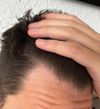
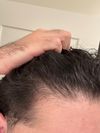
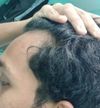
People with hair loss experience emotional struggles and body dysmorphia. Treatments like minoxidil, finasteride, and dutasteride are used, but results vary and can take time.
Hair loss has slowed, but uneven growth and kinking persist despite using keto/nizoral shampoo and clotrimazole. Stress and anxiety might be contributing factors.
The user experienced chronic telogen effluvium and mild male pattern baldness, treated with finasteride, oral minoxidil, and later switched to dutasteride, which stopped excessive hair shedding. Other treatments like low-level laser therapy, hair loss shampoos (except ketoconazole), and supplements were ineffective.
A 20-year-old male experienced significant hair shedding for nearly 10 months, despite using finasteride, oral minoxidil, and ketoconazole, and is concerned about chronic telogen effluvium. He has been supplementing with vitamins and minerals but remains unsure of the cause.
A user is discussing their experience with finasteride for diffuse thinning without a receding hairline, noting a massive shedding phase in the fourth month that is now slowing down. Other replies are off-topic and not relevant to the treatment discussion.
The user is experiencing hair shedding while using finasteride and topical minoxidil with tretinoin, keto shampoo, and dermarolling. They hope the shedding indicates future hair regrowth.
The user convinced their trichologist to prescribe topical finasteride after using topical estradiol and progesterone for hair maintenance. They also discussed the potential impact of "nofap" on hair loss, noting that abstaining for about four months seemed to reduce shedding.
A user shared their 6.5-month experience with topical finasteride (2%) and minoxidil (5%), noting initial progress followed by a significant shedding phase. Others in the conversation reassured that shedding is normal and suggested staying consistent with the treatment for potential regrowth.
A 22-year-old is experiencing diffuse hair thinning all over the head, losing about 300 long hairs daily, despite having good genetics and vitamin levels. They are seeking advice on whether this pattern is normal and considering consulting a dermatologist.
The user has been on finasteride for 8 months and minoxidil for 3 months, experiencing minor regrowth at the temples but overall worse hair loss, with constant shedding and itching. They are concerned about thinning on the sides and nape, questioning if it's diffuse unpatterned alopecia (DUPA) and seeking advice on what to do next.
The user is experiencing hair loss despite using oral dutasteride for 7 months and topical minoxidil for 3 months. They are concerned about miniaturization and question if the current minoxidil application is less effective without the previous finasteride mix.
The user is experiencing hair loss and has been using RU58841 but is considering pyrilutamide and minoxidil, avoiding finasteride due to side effects. Another user suggests finasteride or dutasteride as essential, possibly in topical form, while dismissing saw palmetto as ineffective.
The user experienced significant hair loss on the scalp, eyebrows, eyelashes, and pubic area, along with itchy, flaky skin and red patches. They have a history of eczema and dermatitis and suspect that stopping shampoo use and taking Ritalin may have contributed to the issue.
The user noticed increased hair loss over the past three years and is seeking advice. A suggestion was made to consult a dermatologist or trichologist and consider blood tests, particularly for vitamin D levels, to address potential androgenetic alopecia (AGA).
The user switched from oral to topical finasteride with minoxidil after a hair transplant and is experiencing increased hair growth in unexpected areas like eyebrows and sideburns. They are seeking feedback from others with similar experiences.
A young individual experienced early hair loss and tried various treatments including Minoxidil, RU58841, micro-needling, and topical finasteride, which stopped the hair loss but did not regrow hair. Ultimately, they found a solution in a hair system, which restored their confidence and allowed them to participate in social activities again.
The user has been on finasteride for 5 months and noticed their hair becoming wispy/frizzy, suspecting minoxidil might have also contributed to the change. They are distressed by the change in their hair's appearance.
OP is experiencing ongoing hair shedding despite two years on finasteride, with some initial improvement but no long-term success. Users suggest seasonal shedding, checking for vitamin deficiencies, considering minoxidil, and possibly switching to dutasteride.
After 12 years of success with oral finasteride and topical minoxidil, the user is experiencing hair thinning and scalp discomfort. They are considering options like switching to oral minoxidil, adding dutasteride, or using ketoconazole shampoo, topical caffeine, rosemary serum, and supplements.
The conversation humorously discusses hair loss and its treatments, specifically mentioning Minoxidil, finasteride, and RU58841. It highlights a transformation from hairline recession to significant hair regrowth.
User losing hair for 3 years tried shampoos, minoxidil, derma rolling, finasteride, and Adegen's 15% minoxidil protocol without success. Another user suggests lowering finasteride dosage and trying topical non-steroidal anti-androgens like Fluridil, RU58841, and Breezula.
A woman with androgenetic alopecia uses Dutasteride and Bicalutamide but feels devastated due to increased sensitivity to DHT. She considers wigs, Minoxidil, and seeks advice on options like spironolactone, hair transplants, and therapy.
A 27-year-old is using finasteride, minoxidil, microneedling, and Pilexil shampoo to combat hair loss, with plans to add Nizoral shampoo and light stimulation. Initial results show reduced hair loss and some hair thickening, despite a period of shedding.
A 23-year-old male is experiencing rapid hair thinning and receding hairline, feeling emotionally drained. He has tried GFC, PRP, ketoconazole shampoo, and supplements without improvement and is considering minoxidil, finasteride, and possibly a hair transplant.
The conversation is about a female experiencing hair loss and seeking advice on why it's difficult to regrow hair. Specific treatments like Minoxidil, finasteride, or RU58841 are not mentioned.
The user started using finasteride and minoxidil and noticed fine, spikey hairs on their scalp after oiling with coconut and blackseed oil. Responses suggest these fine hairs could indicate hair regrowth, but more time is needed to see results.
A 24-year-old with male pattern baldness experienced side effects from oral finasteride and switched to a topical minoxidil/finasteride combination, later incorporating daily shampooing and scalp brushing to manage hair loss and dandruff. After initial shedding, the regimen led to reduced hair loss and new hair growth, with the user now using a densita mf combination (5% minoxidil/0.1% finasteride + redensyl) nightly.
Increased Malassezia and Cutibacterium in the scalp microbiome are linked to higher sebum production and inflammation in androgenetic alopecia (AGA). Treatments include ciclopirox shampoo, benzoyl peroxide shampoo, clobetasol propionate, calcipotriol, minoxidil, finasteride, and dutasteride.
Male androgenetic alopecia is commonly treated with topical minoxidil and oral finasteride, both requiring continuous use. Other options include hair restoration surgery, dutasteride, light therapy, and camouflaging agents.