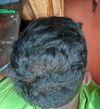
The conversation is about organizing hair regrowth results using a standard format in a single post for easier access. Treatments mentioned include oral minoxidil, oral finasteride, and dermarolling.
The conversation discusses a year-long hair loss treatment from February 28, 2022, to February 28, 2023, which included daily oral finasteride (1mg), biotin supplements, and the Curly Girl Method. Progress pictures were shared to show the results.
Hair care products for those using minox, keto, fin, and microneedling are discussed. Nizoral 2%, Revita shampoo, Nioxin system 2, Aveda thickening tonic, Hanz De Fuko Claymation, and Morrocanoil Texture Clay are mentioned as options.
A user shared their hair recovery progress from ages 25-31, attributing success to quitting smoking, minoxidil, microneedling, and hormone therapy. They also mentioned being transgender and using hormone therapy.
Using a daily hair spray with 0.3% finasteride, 7% minoxidil, 2% ketoconazole, and biotin, along with a 1% ketoconazole shampoo once or twice a week, may be excessive according to the product's recommendations. The user is unsure about this regimen for treating androgenetic alopecia (AGA).
A person in their 20s is struggling with hair loss, using treatments like minoxidil and finasteride. Suggestions include self-improvement, therapy, hair transplants, and focusing on acceptance and confidence.
The user has been using finasteride for hair loss with good results and is considering adding oral minoxidil. They are experimenting with hairstyles and hair products to manage their thinning hair and have received mixed feedback.
The user experienced hair thinning after switching from minoxidil to finasteride, capixyl serum, and PRP treatment. They returned to minoxidil and took vitamin B12 and D3 supplements, but their hair remains thinner, and they are unsure about continuing finasteride.
The user has been using a regimen including finasteride, minoxidil, various oils, and supplements for hair regrowth over 9–10 months. They observed fine hairs returning and a change in scalp texture after adding cinnamon oil, questioning if this change is a positive sign.
Minoxidil can cause scalp itchiness, often due to propylene glycol, and users suggest alternatives like foam formulations without PG, using moisturizing oils, or reducing application frequency. Some recommend ketoconazole or zinc pyrithione shampoos to help with inflammation and itchiness.
A 34-year-old male is experiencing hair loss on the sides of his head, with inflammation and itchiness, while the top remains thick. He is using topical dutasteride and keto shampoo to address the issue.
Lichen Planopilaris (LPP), a form of permanent hair loss, which can be mistaken for seborrheic dermatitis and is characterized by scalp itching, burning, redness, and dandruff. Treatment options discussed include steroidal creams, finasteride, minoxidil, and RU58841.
People are discussing Breezula, a hair loss treatment, with mixed opinions on its value for the cost. Some are interested in it, while others think it's not worth the money.
The conversation humorously discusses various hair loss treatments and options, including Minoxidil, finasteride, RU58841, biotin, ketoconazole, saw palmetto, dutasteride, and nutrition. It also mentions hair extensions and hairstyling as methods to achieve desired hairstyles.
A 21-year-old with accelerated hair loss due to stress and weight loss is using minoxidil, finasteride, and microneedling to combat balding, despite experiencing a significant initial hair shed. They are committed to continuing treatment for at least three months and are considering switching to topical finasteride if necessary.
John Cazale's hairline showed strong recession at the temples but maintained solid volume and density, sparking discussion on different hair loss patterns and the importance of overall hair density. Treatments like Minoxidil and Spironolactone were mentioned as potential factors in maintaining hair, though genetics and styling were also considered significant.
The user experienced hair thinning with dandruff and itchiness but not complete baldness, and found relief using dermarolling and castor oil. They did not use minoxidil or finasteride and discussed the potential impact of lifestyle choices on hair loss.
A female, aged 17-18, is experiencing significant hair loss, feeling hopeless despite trying various treatments like leave-in conditioners, omega-3s, supplements, sulfate-free shampoo, and biotin. She is distressed as her hair continues to thin, affecting her body image and self-esteem.
Breezula (clascoterone) initially performed better than finasteride for hair loss but then effectiveness decreased almost back to baseline after 6 months, raising questions about its strength.
The conversation is about a 19-year-old female experiencing hair loss, potentially due to deficiencies in iron, ferritin, and vitamin D. She is considering iron and vitamin D supplementation and exploring dietary changes, while also planning to consult a dermatologist when possible.
The user experienced an elevated heart rate from using topical Minoxidil and discontinued its use. They found that adding a daily protein shake helped with telogen effluvium.
A user shared progress pictures showing thicker hair after 8 months of using Fin/Min spray from HIMS. The conversation includes skepticism and humor from other users.
A 19-year-old male has been losing hair since 16-17 and feels more depressed after 6 months of using topical minoxidil and finasteride, which made his hair dry and greasy. Another user suggested switching to oral finasteride and provided tips for using topical minoxidil to reduce greasiness.
The conversation humorously discusses hair loss treatments, focusing on finasteride and hair transplants, with references to public figures like Trump and Biden. It speculates on whether Trump has stopped using finasteride, noting his hair thinning and potential side effects.
Buzzing or shaving your head can boost confidence and save money on hair loss treatments. Some prefer treatments like finasteride and minoxidil to maintain their hair.
A user seeks advice on using hair fibers for a TV appearance to cover hair loss. Suggestions include practicing application, using a fixing spray, and ensuring color match.
User experienced hair thinning due to high cortisol and thyroid issues, along with insulin resistance. They are taking magnesium, zinc, vitamin D, calcium, and selenium as supplements.
The user achieved thicker hair using finasteride and minoxidil tablets daily, along with derma rolling twice a week. No side effects were reported, and noticeable improvements were seen after switching from topical to oral treatments.