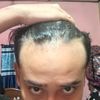
The user is seeking advice for frizzyhair, having tried coconut oil without success and considering Olaplex products. They are looking for effective product recommendations.
Oral minoxidil and finasteride can change hair texture, making it drier or frizzier. Minoxidil is likely causing the roughness; adding a moisturizing treatment may help.
The user is experiencing dry, frizzyhair despite using dutasteride and finasteride for hair loss, which may be due to reduced sebum production. Suggestions include using nourishing conditioners, hair oils, and styling products to manage frizz, especially for curly hair.
The post discusses dealing with dry, frizzyhair while using Minoxidil. The user suggests avoiding alcohol-based products and considering silicone shampoo to protect hair.
The user has been on finasteride for 5 months and noticed their hair becoming wispy/frizzy, suspecting minoxidil might have also contributed to the change. They are distressed by the change in their hair's appearance.
A user with frizzy transplanted hair is considering a keratin treatment after 10 months and is concerned about its safety and potential to accelerate hair loss or cause telogen effluvium. They are seeking advice on whether it is safe to proceed with the treatment.
A 22-year-old male experiencing diffuse thinning and frizzyhair has been using finasteride for nine months and is seeking advice on improving hair quality. Suggestions include using conditioners, biotin, rosemary oil, and addressing scalp conditions like seborrheic dermatitis or psoriasis, while finasteride may help reverse miniaturization and improve hair health.
Ketoconazole shampoo can dry out hair, causing it to become frizzy and less manageable. Users suggest using conditioner, trying different shampoos, or reducing the frequency of ketoconazole use to mitigate these effects.
Fish oil may not significantly improve hair health, but it is beneficial for overall health, especially for those who don't consume fish. Some users report better skin and less frizzyhair with omega-3 supplements, but no clear evidence of hair improvement.
A user's progress after three months of taking dutasteride 0.5 mg to treat their hair loss; other users suggested cutting the frizzyhair and adding minoxidil, while others cautioned against it.
The user shared their positive experience with hair loss treatment using 1mg finasteride, 0.5mg minoxidil, vitamins, ketoconazole shampoo, and a thickening shampoo, noting significant progress and minimal side effects. They emphasized the importance of trying treatments despite initial shedding and shared their routine for managing frizzyhair.
Silicone-based shampoos and conditioners may leave a layer on the scalp that could affect the absorption of topical hair loss treatments like Fluridil. The user is considering switching to silicone products to manage frizzyhair but is concerned about this potential issue.
The user has been using finasteride for nearly 6 months and minoxidil for nearly 2 months, noticing a sparser hairline and miniaturized hair. Some users believe it's shedding with new growth, while others see a loss in density.
The user experienced temporary peach fuzz growth using a product with procapil and later tried minoxidil and finasteride without significant results. Their boyfriend has used minoxidil and finasteride consistently for over five years with sparse hair improvement.
A 28-year-old man had a hair transplant in India, choosing not to start finasteride due to past side effects with other medications but will use minoxidil for six months post-surgery. He researched and selected a clinic in Mumbai with a high reputation, underwent a 9-hour procedure for $965, and is optimistic about the results.
The user successfully managed hair loss using Finasteride, Minoxidil, Ketoconazole shampoo, and a hair mask, experiencing significant hair growth and improved density. They attribute their success to consistency, improved nutrition, and a dedicated routine.
Hair fibers impressively cover bald spots, boosting confidence. User started big 3 treatment (0.5mg fin, 1 time minoxidil 5% topical, ketoconazole 2%) for regrowth.
Oral minoxidil caused changes in hair texture, making it curly, dry, and lifeless, raising concerns about whether this is a temporary phase or permanent. Users discussed potential side effects of oral minoxidil, including heart issues, and suggested consulting a dermatologist and monitoring health markers.
Hair loss was triggered by a testosterone and Masteron cycle, causing scalp tension and shedding. Topical finasteride, RU58841, and oral minoxidil were used to stop shedding and improve scalp condition.
The user successfully improved their hair from Norwood 3 to 0.5 using finasteride, topical minoxidil, microneedling, and a hair peptide, and plans to maintain it with dutasteride. They are leaving the forum due to emotional distress caused by the community.
A user experienced hair loss and texture changes, tried minoxidil and finasteride, and considered antihistamines like Cetirizine for potential histamine issues. They reported improved alertness but continued shedding.
A hair transplant experience after 6 months, with 4100 grafts, which took 3 months to stop looking obvious and included finasteride treatment. It also discusses the differences between DHI and FUE methods.
The user is experiencing hair thinning at the crown and midscalp and is seeking advice. They are considering treatments like Minoxidil, finasteride, and RU58841.
A 22-year-old male has been experiencing widespread hair loss for over four years, including pain and significant shedding. Treatments tried include ketoconazole shampoo, fluocinonide topical solution, biotin, ACV, and dry shampoo, but none have been effective.
Hair appearance fluctuates due to factors like styling, product buildup, and humidity, causing frustration for those with diffuse thinning. Treatments mentioned include minoxidil, finasteride, ketoconazole shampoo, and RU58841, with mixed results.
The user is experiencing hair loss at Norwood 2.5 and is using minoxidil, finasteride, and vitamins, noticing minimal regrowth after 8 months. They are considering using a dermaroller but are unsure of its effectiveness.
Finasteride improved hair density and changed hair texture from wavy to curly for the user. The user took 1mg of oral finasteride daily without using minoxidil.