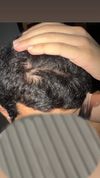
Significant hair regrowth was achieved using 5% Minoxidil twice daily and weekly microneedling with a 0.8 mm dermaroller over five months. Finasteride was not used due to concerns about side effects and availability in France.
The conversation discusses hair loss treatments, with a focus on PRP, which is viewed skeptically. Minoxidil and finasteride are recommended as more effective options.
Oral minoxidil dosing should be based on body weight to minimize side effects, with higher doses increasing risks like pericardial effusion. Combining oral minoxidil with topical treatments and finasteride can improve hair growth, but regular heart health monitoring is essential.
Inconsistent minoxidil use led to hair loss, prompting a plan to resume consistent application with derma stamping, red light therapy, and DHT blockers like clascoterone or RU58841. The user avoids finasteride and dutasteride due to past side effects.
A person experienced hair loss due to stress, hormonal changes, and possibly genetics, and tried treatments like minoxidil, finasteride, and dutasteride. They are now considering exosome therapy but are unsure about its effectiveness and which dermatologist to trust.
The user has been using finasteride and minoxidil, then switched to dutasteride and minoxidil for six months without significant results, noticing thinning after increasing creatine dosage. They plan to consult a dermatologist to explore potential causes beyond androgenetic alopecia.
After stopping finasteride, the user retained hair without noticeable balding, suggesting an unusual reaction to the medication. The user initially experienced rapid hair loss and itchiness, possibly due to male pattern baldness, but maintained hair stability after tapering off finasteride.
An 18-year-old experiencing balding since age 15 is seeking alternatives to minoxidil for hair regrowth, currently using rosemary oil and a 0.5mm derma roller. They are unsure about the proper use of these treatments.
Breezula shows promising hair growth results, with up to 539% increase in hair count compared to placebo, and regulatory submissions are planned in the US and EU. Users are cautiously optimistic, noting the potential for Breezula to replace finasteride by targeting DHT without systemic effects.
Hair loss is linked to cellular physiology and the IGF-1 to TGF-B1 ratio, not just androgen sensitivity. The theory lacks evidence, while finasteride and minoxidil are effective treatments.
A user reported significant hair regrowth using a homemade 0.01% topical finasteride solution, highlighting its effectiveness and lack of side effects. The discussion included concerns about oral finasteride's side effects and the benefits of topical solutions.
Pelage is developing a topical hair follicle stem cell therapy, PP405, for non-scarring alopecias like androgenetic alopecia, with Phase III trials planned and a potential market launch by 2027. The treatment may not require continuous use after initial regrowth.
A 19-year-old shares positive results after one year on finasteride, minoxidil, micro-needling, and Nizoral shampoo, reporting no side effects and improved hair density despite initial shedding. Others discuss mixed experiences with finasteride, some considering alternatives like dutasteride or hair transplants.
A 19-year-old using finasteride for hair loss seeks advice on additional treatments. Suggestions include microneedling, minoxidil, and ketoconazole shampoo, with concerns about side effects discussed.
The user has been using oral Dutasteride, RU58841, and Minoxidil for three years without success and is considering adding topical Finasteride or Dutasteride to target DHT both locally and systemically. Other users suggest sticking to a consistent treatment plan, exploring different combinations, and considering other factors like potential misdiagnosis or inconsistent medication use.
Dutasteride is more effective than finasteride for some in stopping hair loss and promoting regrowth, with fewer side effects. Oral minoxidil is also used for regrowth, but there are safety concerns, especially for younger users.
Oral minoxidil is causing body hair growth but not improving scalp hair, despite using dutasteride and finasteride. Users suggest waiting longer for results, checking vitamin levels, and considering additional treatments like topical minoxidil, dermarolling, and supplements.
Topical minoxidil and oral finasteride can effectively improve hair growth and slow hair loss, though results may vary. Consistency is important for achieving significant improvement.
The conversation is about a user experiencing positive hair regrowth results after using finasteride, minoxidil spray, dermapen, and low-level light therapy (LLLT) for four months. The user recommends using a specific device for LLLT and mentions using the Hims spray for finasteride and minoxidil.
The user is experiencing hair loss and confusion over conflicting medical advice, with treatments including minoxidil, finasteride, and topical corticosteroids. They are unsure about the necessity of a biopsy and the timing of using minoxidil, while also considering the impact of potential androgenetic alopecia and telogen effluvium.
The user experienced significant hair regrowth after resuming treatment with oral minoxidil and dutasteride, following an initial period of using finasteride and minoxidil. They noted improvements in hair density and pigmentation, attributing the progress to consistent use of these treatments.
Choosing hair loss treatments is challenging due to concerns about side effects from finasteride and minoxidil. Users suggest starting with topical treatments and gradually increasing dosage, while some recommend oral finasteride for its effectiveness despite potential side effects.
Increasing the dutasteride dose to 2.5 mg may significantly reduce DHT and promote hair regrowth, with similar side effects to lower doses. Some users combine dutasteride with minoxidil and finasteride for better results, but there are concerns about long-term effectiveness and availability.
The user experienced hair loss despite using Fin and Min for 12 years and switched to Dutasteride, RU58841, and Keto scalp serum, but shedding and itch persist. They are considering increasing Dutasteride to 2.5mg and questioning the necessity of a scalp biopsy, with mixed opinions on its usefulness.
A user shared their 12-month progress after a 3500-graft hair transplant at Heva Clinic in Istanbul, choosing not to use minoxidil or finasteride. The results were praised, with comments noting the natural look and significant improvement.
A user has been on dutasteride for nearly 2 years with no improvement in hair loss, expressing frustration. Other users suggest checking for other health conditions, getting bloodwork, and considering stopping TRT or trying finasteride.
A user has been experiencing hair loss for 4 years, with treatments like minoxidil, finasteride, and various supplements proving ineffective. They were diagnosed with fibrosing alopecia in a pattern distribution, a condition that may require a combination of anti-inflammatory and hair growth treatments.
The conversation is about a user sharing their 3-month progress with finasteride, minoxidil, and weekly derma rolling for hair loss. Some suggest buzzing the hair off to better apply treatments and consider a hair transplant in the future.
The user shared a two-year hair regrowth update after using 1mg Finasteride daily and Minoxidil liquid once daily, with significant improvement and no side effects. Some users suggested adding derma rolling to the regimen, while others discussed the effectiveness of Finasteride alone before considering Minoxidil.