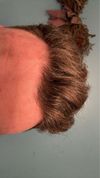
A 23-year-old is using 1mg finasteride daily and topical minoxidil nightly, seeing new hair growth after two months. Others share experiences and advice, noting progress and potential shedding.
The user shared progress pictures after 3 months of using finasteride 1mg daily and minoxidil 5% twice daily, showing significant hair regrowth, especially at the temples. The discussion includes positive feedback on the results and tips on managing hair care while using these treatments.
The user has been losing hair for over two years despite taking dutasteride and RU58841, even increasing dutasteride to 2.5mg. They are questioning if their hair loss could be due to telogen effluvium instead.
A 23-year-old user shared progress pictures after 5 months of using 1.25 mg finasteride, 2x daily topical minoxidil, weekly derma stamping, and occasional Nizoral and mixed topical for dandruff. They report reduced shedding and seek advice on when to confidently grow out their hair.
A 16-year-old is asking if their hair situation has improved after using rosemary oil, rosemary water, derma rolling, and ketoconazole, and is considering starting Minoxidil. Replies comment on the user's hairiness and high DHT levels.
A user is considering whether to continue using RU58841 or switch to hair system patches for a receding hairline, while already using finasteride, oral minoxidil, and microneedling. Another user suggests buying RU58841 in powder form to save money and notes the original poster's hair has significantly improved.
A 21-year-old male switched from finasteride to 0.5mg dutasteride daily due to ongoing hair loss but has not seen improvement after 14 months, experiencing further thinning and recession. He is seeking feedback from other dutasteride users on their results after a similar duration.
A user underwent a successful hair transplant with Dr. Linkov, receiving 2612 grafts, after stabilizing hair loss with finasteride and minoxidil. Fourteen months post-procedure, the user is extremely satisfied with the results, feeling more confident and looking younger.
A person on TikTok has been using finasteride, minoxidil, scalp massage, rosemary oil, and microneedling for hair loss treatment for 6 months, and recently switched from oral to topical finasteride. Some believe finasteride and minoxidil are the most effective treatments, while opinions on switching to topical finasteride are mixed.
User is considering microneedling to enhance hair regrowth after limited response to minoxidil and better results with finasteride and ketoconazole shampoo. Recommendations include using a 1.5mm derma roller once a week, avoiding minoxidil on microneedling days, and disinfecting the roller with isopropyl alcohol.
The conclusion of the conversation is that the user has made significant progress in their hair loss treatment using a combination of oral minoxidil, topical minoxidil, RU58841, dutasteride, dermarolling, and scalp massage. Other users have praised their progress and recommended different treatments.
A user shared a natural hair loss treatment involving micro-needling and a mix of turmeric, cinnamon, and coconut oil, claiming it effectively thickened their hair. The treatment is applied every two to three weeks, but some users expressed skepticism and requested photographic evidence.
The user "ninezske" shared their progress pictures of hair regrowth after using oral finasteride, topical minoxidil, and dermarolling. Other users commented on the results and discussed the effectiveness of minoxidil and finasteride.
Stefano, a 20-year-old male, experienced significant hairline shedding and thinning after using topical Minoxidil, along with rosemary/jojoba oil, biotin tablets, caffeine shampoo, and a dermaroller. He is uncertain whether to continue the treatment in hopes of regrowth or stop and potentially return to his original hair condition, while a reply suggests using finasteride or dutasteride to address the underlying cause of hair loss.
Alfatradiol (0.025%) is an effective and safe treatment for androgenetic alopecia in both men and women, increasing anagen hair rates with minimal side effects. Users discuss its cost-effectiveness and ease of use compared to other treatments like finasteride and RU58841, with some combining it with stemoxydine and Minoxidil.
The user has been using topical finasteride 0.1% for almost 7 months but is experiencing worsening hair loss and is considering adding minoxidil 5% to their regimen. They are hesitant about oral finasteride and are exploring options for topical treatments, including minoxidil and possibly dutasteride.
The conversation discusses skepticism about Breezula, a hair loss treatment, with the consensus that it's not a miracle cure but a maintenance drug that may work well with finasteride. Some users report side effects from finasteride, like sexual dysfunction, while hoping for better results from Breezula or RU58841 without such side effects.
A 24-year-old has been using finasteride for almost two years, along with ketoconazole shampoo, fish oil, saw palmetto, emu oil, and minoxidil for a period. They report positive results and invite questions about their experience.
The user reports using finasteride for 15 days, minoxidil for 2 months, ketoconazole shampoo twice a week, and a derma pen once a week to treat hair loss. They shared progress pictures showing results after 2 months of treatment.
A 29-year-old male experienced significant hair regrowth over 8 months using a protocol of oral Minoxidil, Dutasteride, Pyrithione Zinc Shampoo, and peptides GHK-CU, BPC-157, and TB-500. The treatment led to improved scalp coverage, reduced hair loss, and thicker hair, although results may vary for others.
The conversation discusses hair loss treatments, with a focus on PRP, which is viewed skeptically. Minoxidil and finasteride are recommended as more effective options.
The user experienced significant hair growth and increased density after using 1.1mg finasteride for 4-5 weeks and switching from topical to oral minoxidil (3mg) for 3 weeks. They reported no shedding and were uncertain if the growth was due to the oral minoxidil or finasteride.
The user, a 27-year-old male, has been treating early hair loss with topical finasteride and minoxidil, then switched to oral finasteride and dutasteride, but has seen no improvement and plans to add oral minoxidil. Despite treatment, hair loss has progressed from Norwood 1-1.5 to Norwood 3, with noticeable thinning, especially on the left side.
A 34-year-old man has used finasteride for 10 years and dutasteride for 1 year to manage hair loss, experiencing minimal side effects and slight hair thinning. He plans to continue using finasteride, ketoconazole shampoo, and oral liquid finasteride, noting that cost and convenience influenced his dosage choices.
The user has been using dutasteride for 2 years and minoxidil for 1 year, but their hairline is still receding. Some users think the hairline has maintained or gained density, while others notice minor recession.
A 24-year-old is using 5% topical minoxidil once daily, 1mg finasteride daily, and a derma stamp weekly for hair thickening. Users advise patience, caution with the derma stamp, and suggest waiting longer to see significant results.
A user shared their 1.5-year progress after a FUE crown transplant, using dutasteride and oral minoxidil, which improved their hairline and stabilized hair loss. They experienced dizziness from topical minoxidil but had no side effects from finasteride, dutasteride, or oral minoxidil.
A user shared their 3-year progress using finasteride and minoxidil for hair loss, noting significant improvement after adding minoxidil to their routine. They also use a derma roller weekly and apply minoxidil topically to the entire hairline.
The user has been using finasteride and minoxidil, then switched to dutasteride and minoxidil for six months without significant results, noticing thinning after increasing creatine dosage. They plan to consult a dermatologist to explore potential causes beyond androgenetic alopecia.